Welcome to Shandong HeadPowder Engineering Co., Ltd., a leading provider of specialized engineering solutions for the handling and processing of industrial powders, including titanium dioxide. Our expertise lies in designing and implementing efficient pneumatic conveying systems tailored to the unique requirements of your titanium dioxide handling operations. This article will guide you through the essential considerations and factors to evaluate when selecting the most suitable pneumatic conveying system for your process.
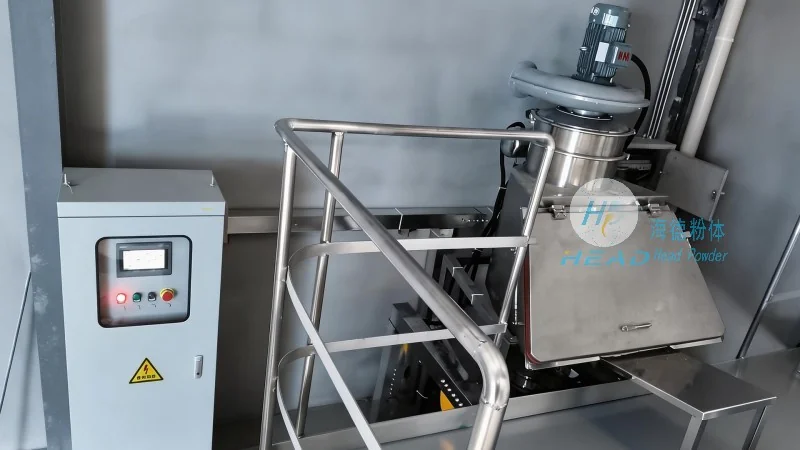
Understanding the Importance of Pneumatic Conveying for Titanium Dioxide
Titanium dioxide is a high-value industrial pigment widely used in coatings, plastics, and paper industries. Its handling requires precision and efficiency to maintain product quality and minimize operational costs. Pneumatic conveying systems offer a non-contact, dust-free method to transport titanium dioxide from storage silos to processing equipment, ensuring consistent flow and reducing the risk of contamination. Unlike traditional mechanical conveyors, pneumatic systems can handle fine powders without the need for moving parts that may cause product degradation or clogging.
Key Factors to Consider When Selecting a Pneumatic Conveying System
Choosing the right pneumatic conveying system for your titanium dioxide operation involves evaluating several critical factors. The first consideration is the physical properties of the titanium dioxide powder itself. Parameters such as particle size distribution, bulk density, and moisture content significantly impact the system's design. For example, fine titanium dioxide powders may require higher air velocities to prevent settling or caking, while coarser particles can be conveyed at lower velocities with less energy consumption. Additionally, the system must accommodate the specific flow rates required by your production line, ensuring that the conveying capacity matches the processing speed without causing bottlenecks or excess pressure.
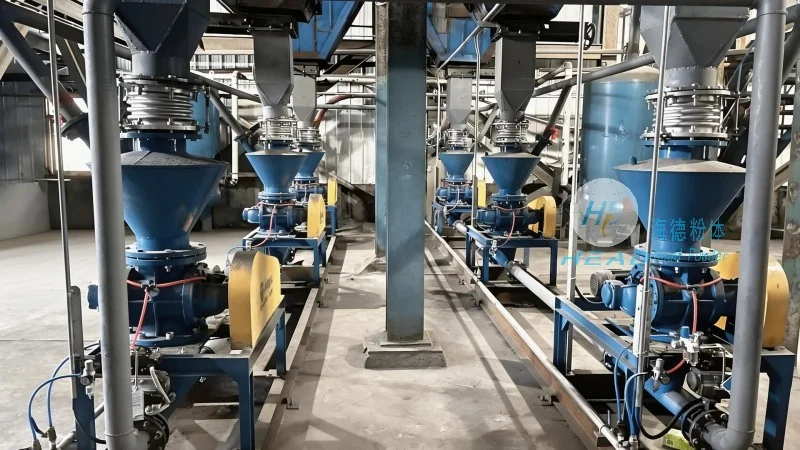
Another crucial factor is the distance and layout of the conveying route. The length and elevation changes between the storage silo and the processing equipment will determine whether a positive pressure, negative pressure, or a combination of both (mixed pressure) system is most appropriate. Positive pressure systems, where air is blown into the pipeline to push the material, are ideal for short to medium distances and can handle vertical lifts efficiently. Negative pressure systems, which draw material into the pipeline using suction, are better suited for longer horizontal runs or when the receiving equipment is at a lower elevation. Mixed pressure systems offer flexibility by combining the benefits of both approaches, making them suitable for complex layouts with varying distances and elevations.
Types of Pneumatic Conveying Systems and Their Applications
There are several types of pneumatic conveying systems available, each with distinct characteristics and applications. The most common types include dilute phase and dense phase systems. Dilute phase systems operate at high air-to-material ratios, moving particles in a suspended state, which is suitable for short to medium distances and low to medium flow rates. These systems are energy-efficient and can handle fine powders without excessive pressure drops. Dense phase systems, on the other hand, operate at low air-to-material ratios, conveying material in a plug flow, which is ideal for longer distances and higher flow rates. This method minimizes product degradation and is particularly effective for handling sensitive or valuable powders like titanium dioxide, as it reduces the risk of attrition and agglomeration.
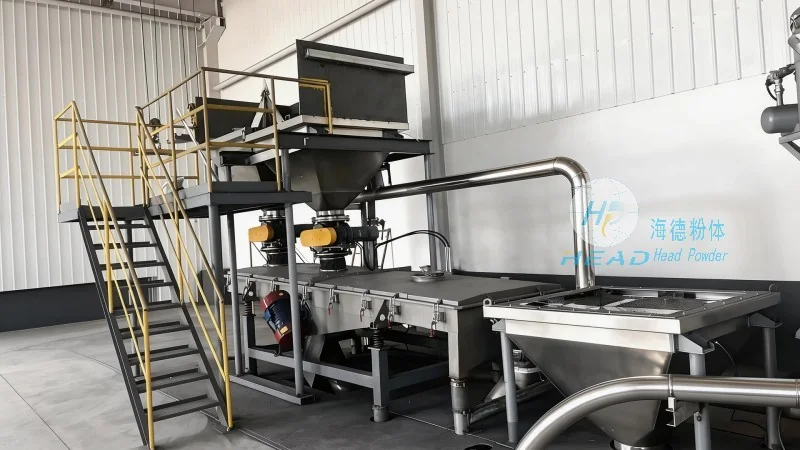
Positive pressure systems, as mentioned earlier, use blowers or compressors to generate the necessary air pressure to push the material through the pipeline. They are commonly used in applications where the receiving equipment is at a higher elevation or when the system needs to handle abrasive materials. Negative pressure systems employ vacuum pumps to draw material into the pipeline, which is advantageous for applications where the receiving equipment is at a lower level or when the system must be enclosed to prevent dust emissions. Mixed pressure systems integrate both positive and negative pressure components, allowing for more complex conveying routes and adapting to varying operational conditions.
Role of HeadPowder Engineering in Designing Custom Pneumatic Conveying Solutions
At Shandong HeadPowder Engineering Co., Ltd., we specialize in providing customized pneumatic conveying solutions that address the specific challenges of titanium dioxide handling. Our team of experienced engineers works closely with clients to assess their operational requirements, including production capacity, material characteristics, and facility layout. We conduct thorough analyses to determine the optimal system type, air velocity, and pressure levels that will ensure efficient, reliable, and cost-effective material transport. Our solutions are designed to meet industry standards for safety, efficiency, and product integrity, ensuring that your titanium dioxide remains in pristine condition throughout the conveying process.
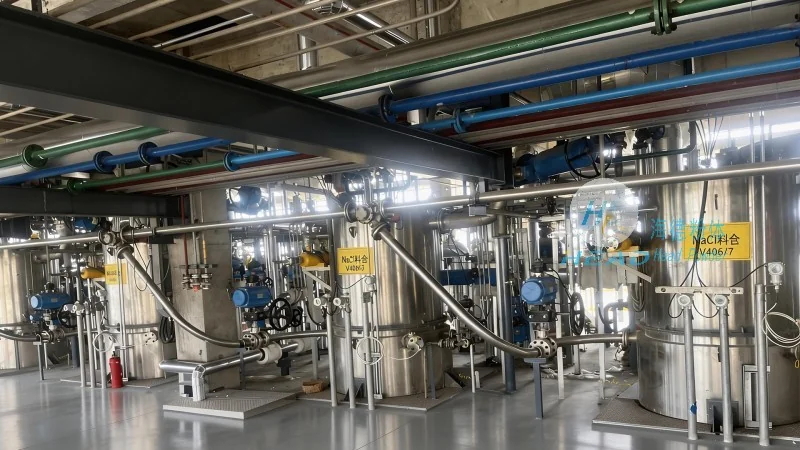
Our expertise extends to the entire lifecycle of the pneumatic conveying system, from initial design and engineering to installation, commissioning, and ongoing maintenance. We utilize advanced simulation tools and computational fluid dynamics (CFD) to model the conveying process and predict performance under various conditions, ensuring that the system is optimized for your specific needs. By partnering with HeadPowder Engineering, you can benefit from our deep understanding of titanium dioxide properties and our commitment to delivering high-quality, tailored solutions that enhance your operational efficiency and product quality.
Conclusion: Making Informed Decisions for Your Titanium Dioxide Handling Process
Selecting the right pneumatic conveying system for your titanium dioxide handling operation is a critical decision that impacts productivity, cost, and product quality. By considering factors such as material properties, conveying distance, and system layout, you can choose a system that maximizes efficiency and minimizes operational risks. With the expertise and experience of Shandong HeadPowder Engineering Co., Ltd., you can be confident that your pneumatic conveying system will be designed to meet the highest standards of performance and reliability. Contact us today to learn more about our customized solutions and how we can help optimize your titanium dioxide handling process.




