Caustic soda, also known as sodium hydroxide, is a highly corrosive chemical widely used in various industrial processes. The safe and efficient transportation of caustic soda is crucial for maintaining operational efficiency and ensuring workplace safety. Pneumatic conveying systems have emerged as a preferred method for handling caustic soda due to their ability to transport the material in a closed system, minimizing exposure risks and enhancing process control.
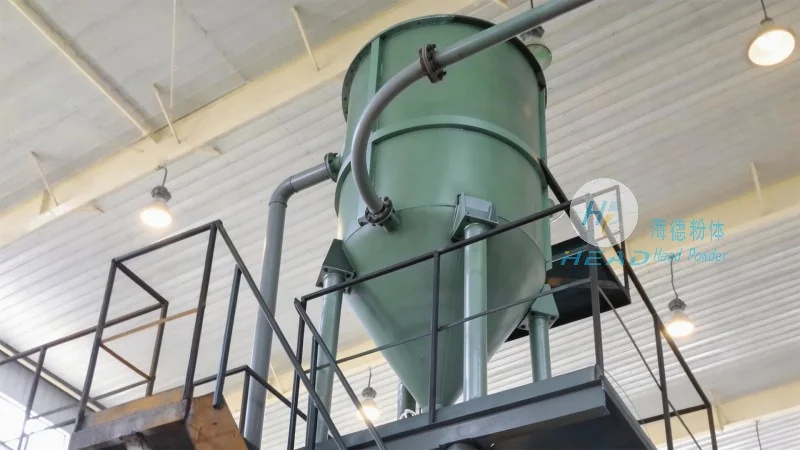
Understanding Pneumatic Conveying Systems
Pneumatic conveying systems utilize air or other gases to transport bulk materials through a pipeline network. In the context of caustic soda, these systems are designed to handle the material's corrosive nature while ensuring reliable and continuous transport. The core components of a pneumatic conveying system include a material feeder, a conveying line, a separator, and a collection hopper. The system operates by creating a pressure differential that propels the caustic soda particles through the pipeline, often using compressed air as the driving force.
Key Advantages of Pneumatic Conveying for Caustic Soda
Implementing pneumatic conveying for caustic soda transport offers several significant advantages. Firstly, it provides a closed-loop system that prevents dust and fumes from escaping into the environment, reducing health hazards and compliance risks. Secondly, the system allows for precise control over the flow rate and pressure, enabling accurate dosing and minimizing material waste. Additionally, pneumatic conveying systems are capable of handling caustic soda in both solid and liquid forms, adapting to different processing requirements. The closed system also reduces the risk of contamination from external sources, ensuring the purity of the caustic soda for downstream applications.
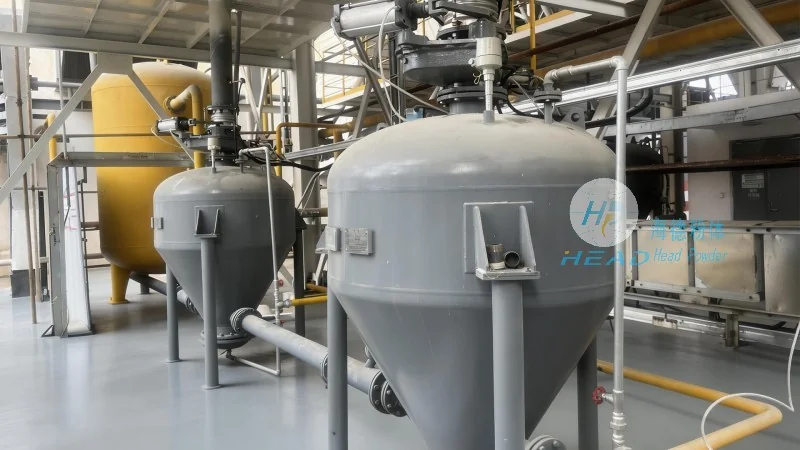
Application Scenarios in Industrial Settings
In industrial settings, pneumatic conveying is commonly used in the production and processing of caustic soda. For example, in chemical manufacturing plants, the system can transport solid caustic soda from storage silos to reactors or processing units. In pulp and paper industries, caustic soda is used for pulping and bleaching processes, where pneumatic conveying ensures efficient and safe delivery to the processing equipment. The system's flexibility also makes it suitable for applications involving varying flow rates, such as batch processing or continuous production lines.
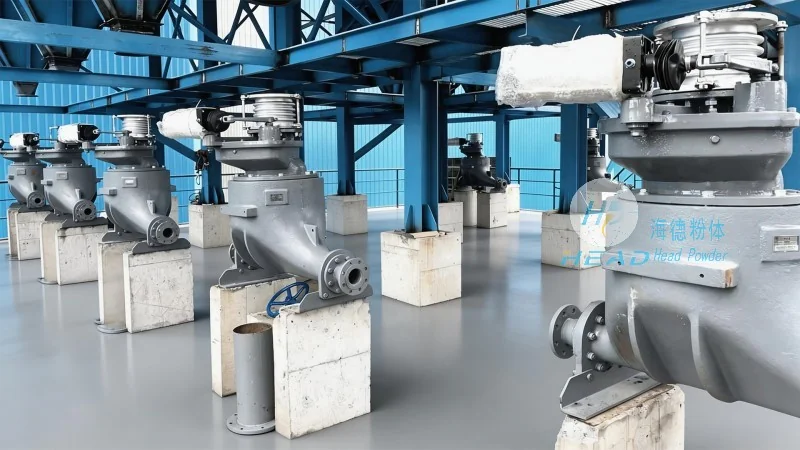
Ensuring Safety and Compliance
When deploying pneumatic conveying systems for caustic soda transport, safety and regulatory compliance are paramount. The systems are typically constructed from corrosion-resistant materials, such as stainless steel, to withstand the caustic nature of the material. Additionally, the closed design minimizes the risk of accidental spills or leaks, which could lead to environmental damage or workplace injuries. Regular maintenance and inspection of the system components are essential to ensure ongoing safety and performance. Compliance with local environmental and occupational health regulations is also critical, as the handling of caustic soda is subject to strict guidelines to protect both workers and the environment.
Conclusion
Pneumatic conveying systems play a vital role in the safe and efficient transportation of caustic soda in industrial applications. By leveraging the principles of air-driven transport, these systems offer a reliable solution that addresses the challenges of handling a highly corrosive and hazardous material. As a leading provider in this field, Shandong HeadPowder Engineering Co., Ltd. specializes in designing and manufacturing customized pneumatic conveying solutions tailored to the specific needs of caustic soda processing facilities. With a focus on safety, efficiency, and compliance, HeadPowder ensures that its systems meet the highest industry standards, supporting the smooth operation of caustic soda production and processing operations.




