Shandong HeadPowder Engineering Co., Ltd., commonly known as headpowder, is a professional enterprise based in Shandong, China. The company specializes in the production and technical solutions related to rice husk powder, focusing on optimizing the technical parameters of the material and the design of its conveying systems. This article provides a detailed overview of the key technical parameters of rice husk powder and the process of its conveying systems, aimed at helping clients understand the material characteristics and the efficient operation of the conveying systems.

Technical Specifications of Rice Husk Powder
The technical parameters of rice husk powder are crucial for determining its suitability for various industrial applications and the design of the conveying systems. Key parameters include particle size distribution, bulk density, moisture content, and chemical composition. The particle size of rice husk powder typically ranges from 0.1 to 2.0 millimeters, with a median size around 0.5 millimeters. This size range affects the flowability and the required air velocity in pneumatic conveying systems. The bulk density of the powder is generally between 0.3 to 0.6 g/cm³, which influences the capacity and power consumption of the conveying equipment. Moisture content is usually controlled below 10% to prevent caking and ensure stable flow. Chemical composition, including the ash content and carbon content, also impacts the material's behavior during transport, such as its tendency to accumulate static charge or cause abrasion on equipment surfaces.
Conveying System Process Design
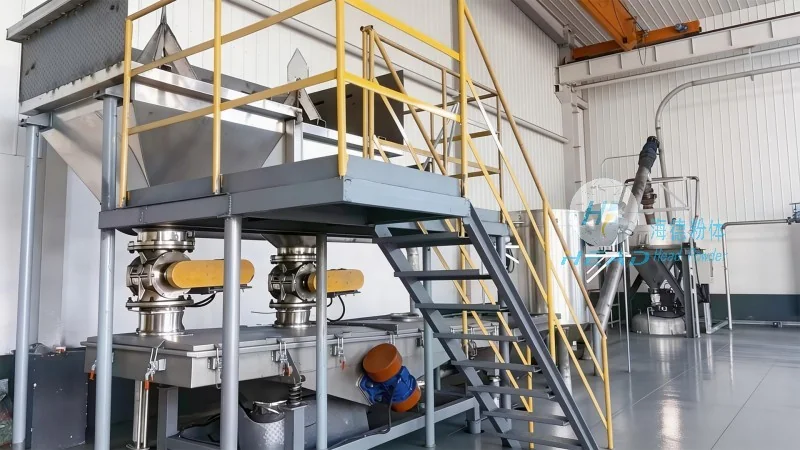
The conveying system for rice husk powder involves several stages, from material collection to discharge, each designed to handle the specific characteristics of the powder. The process typically starts with the storage of raw rice husks, which are then processed into powder through grinding and sieving. The powder is then transferred to the conveying system using either pneumatic or mechanical methods. Pneumatic conveying systems are commonly used for rice husk powder due to their ability to handle fine powders and long-distance transport. These systems consist of a blower, a hopper, and a pipeline network. The blower generates the necessary air pressure to move the powder through the pipeline. The hopper stores the powder and feeds it into the pipeline at a controlled rate. The pipeline is designed with appropriate bends and valves to ensure smooth flow and prevent blockages. Mechanical conveying systems, such as screw conveyors or belt conveyors, are used for shorter distances or when the powder has higher moisture content or larger particle sizes. The choice of conveying method depends on factors like the material's properties, the distance to be covered, and the required capacity.
Optimization of Conveying Efficiency
To ensure the efficient operation of the conveying system, several factors need to be considered. First, the air velocity in pneumatic systems must be optimized to prevent particle segregation and ensure uniform flow. Excessive air velocity can cause the powder to be carried too far, leading to energy waste, while insufficient velocity may result in blockages. The design of the pipeline, including the diameter and the angle of the bends, is critical to maintaining the desired air velocity and preventing pressure losses. Regular maintenance of the equipment, such as cleaning the filters and checking the blower performance, is essential to avoid system downtime. Additionally, the use of anti-static measures, such as grounding the equipment and adding anti-static additives to the powder, can prevent static accumulation that may cause powder sticking to the pipeline walls. By optimizing these factors, the conveying system can achieve high efficiency, low energy consumption, and minimal material loss.
Application and Industry Integration
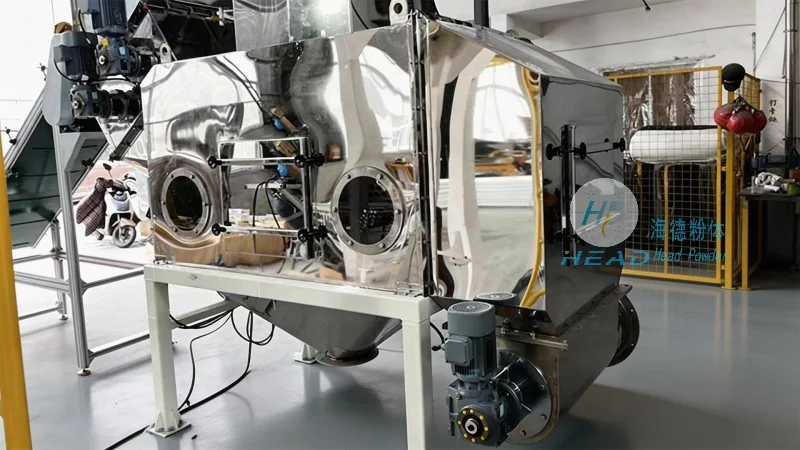
Rice husk powder, with its unique technical parameters and the efficient conveying systems designed for it, finds applications in various industries. In the energy sector, it is used as a fuel in power plants and biomass boilers, contributing to renewable energy production. In the chemical industry, it serves as a raw material for the production of activated carbon and other chemical products. The consistent quality and reliable transport of the powder through the conveying system ensure that the downstream processes operate smoothly and efficiently. The technical parameters of the powder, such as its low moisture content and specific particle size, are tailored to meet the requirements of these applications, enhancing the overall performance of the industrial processes.




