When it comes to transporting bulk materials like sugar, the choice of conveying method can significantly impact operational efficiency, cost-effectiveness, and product quality. Among the various options available, pneumatic conveying systems stand out as a popular solution. However, within this category, two primary approaches are widely used: positive pressure conveying and negative pressure conveying. This article provides a detailed comparison of these two methods, focusing on their applications, advantages, disadvantages, and suitability for sugar handling in industrial settings. The analysis is presented by Shandong HeadPowder Engineering Co., Ltd., a leading provider of material handling solutions in China.
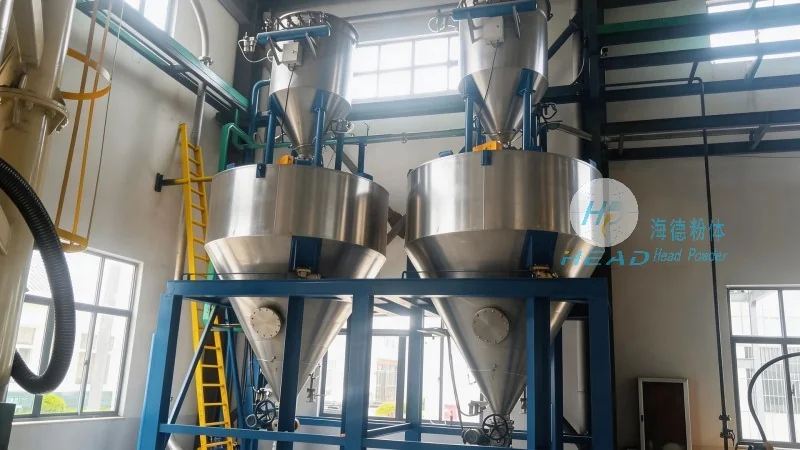
Introduction to Pneumatic Conveying Systems
Pneumatic conveying systems utilize air or gas to transport bulk materials through a pipeline. This method is particularly advantageous for materials like sugar, which are often delicate and require gentle handling to prevent degradation or contamination. The two main types of pneumatic conveying—positive pressure and negative pressure—differ primarily in how they generate the necessary air flow to move the material. Understanding these differences is crucial for selecting the most appropriate system for a specific application.
Positive Pressure Conveying of Sugar
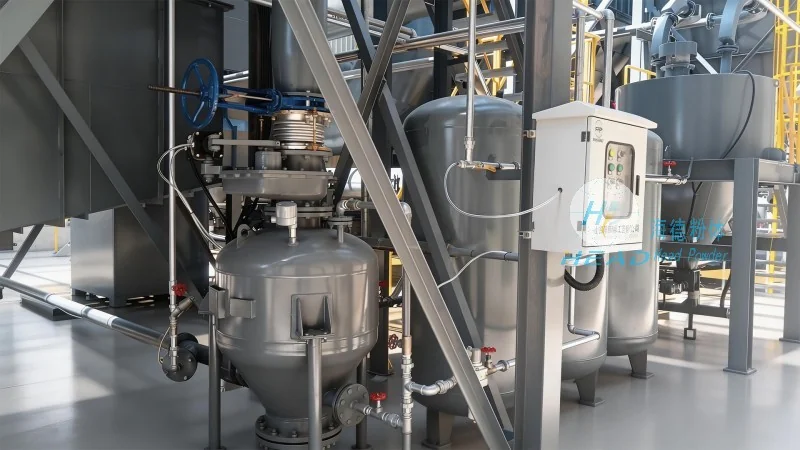
Positive pressure conveying, also known as pressure pneumatic conveying, operates by blowing air or gas into the conveying line at a higher pressure than the ambient air. This pressurized air pushes the sugar particles through the pipeline, carrying them from the source to the destination. The system typically includes a blower or compressor at the inlet, which supplies the pressurized air, and a receiver or silo at the outlet where the material is collected.
One of the key advantages of positive pressure conveying is its ability to handle long distances and multiple transfer points without significant pressure loss. The high pressure ensures that the material is consistently moved through the system, even when dealing with abrasive or sticky materials like sugar. Additionally, this method is relatively simple to install and maintain, as it does not require complex vacuum equipment. However, it may be less suitable for applications where the material is highly sensitive to air exposure, as the pressurized air can introduce moisture or contaminants into the system.
Negative Pressure Conveying of Sugar
Negative pressure conveying, or vacuum pneumatic conveying, works by creating a vacuum at the inlet of the system, which draws the sugar particles into the pipeline. The material is then carried by the suction created by the vacuum pump, which pulls the air and material through the line to the receiver. This method is often preferred for applications where the material needs to be transported from a higher elevation to a lower one, as the vacuum can effectively pull the material downward.
A major advantage of negative pressure conveying is its ability to handle materials that are sensitive to air exposure. The vacuum system prevents the material from coming into contact with ambient air, reducing the risk of moisture absorption or contamination. This makes it ideal for transporting delicate or hygroscopic materials like sugar, which can easily absorb moisture and degrade in quality. However, negative pressure systems are generally less efficient for long-distance or high-volume applications, as the vacuum can lead to higher energy consumption and potential blockages in the pipeline.
Comparison of Positive and Negative Pressure Conveying for Sugar
When comparing positive and negative pressure conveying for sugar, several factors must be considered to determine the most suitable method. The choice often depends on the specific requirements of the application, including the distance of transport, the volume of material, the sensitivity of the product, and the available infrastructure.
From an operational perspective, positive pressure conveying is generally more energy-efficient for long distances and high volumes. The high pressure ensures consistent material flow, reducing the risk of clogging or downtime. In contrast, negative pressure conveying may require more energy to maintain the vacuum, especially over longer distances. However, for applications where product quality is paramount, negative pressure conveying is more appropriate due to its ability to minimize air exposure and maintain the integrity of the sugar.
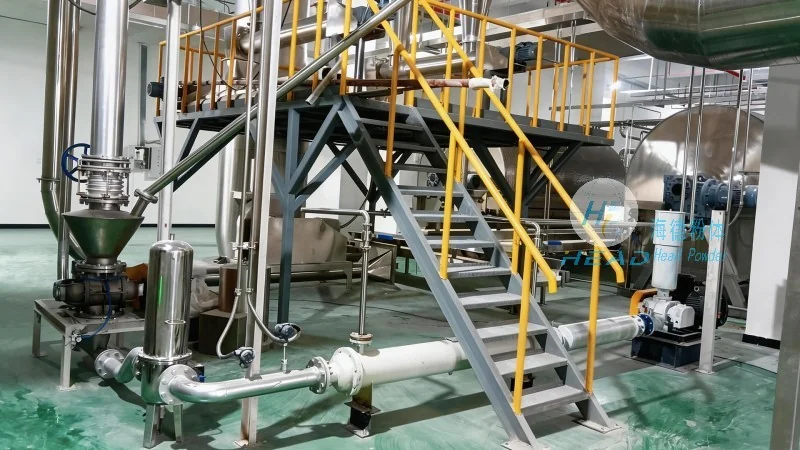
Another critical factor is the material's properties. Positive pressure conveying is better suited for materials that are less sensitive to air and can withstand the pressurized air flow. For instance, if the sugar is being transported from a silo to a processing plant over a short distance, positive pressure may be sufficient. Conversely, if the sugar is being transported from a lower elevation to a higher one or needs to be handled with extreme care to prevent degradation, negative pressure conveying is more appropriate.
Advantages and Disadvantages Summary
Summarizing the key advantages and disadvantages of both methods provides a clearer picture of their suitability for sugar handling:
- Positive Pressure Conveying: Advantages include high efficiency for long distances, simple installation, and ability to handle abrasive materials. Disadvantages include potential for air contamination and less suitability for sensitive products.
- Negative Pressure Conveying: Advantages include minimal air exposure, ideal for sensitive materials, and ability to handle vertical transport. Disadvantages include higher energy consumption, potential for blockages, and lower efficiency for long distances.
Conclusion
Both positive pressure and negative pressure pneumatic conveying methods offer viable solutions for transporting sugar, with each having its own set of advantages and limitations. The choice between the two depends on the specific operational needs, material characteristics, and quality requirements of the application. By carefully evaluating these factors, industrial facilities can select the most appropriate conveying system to ensure efficient, cost-effective, and high-quality sugar handling. Shandong HeadPowder Engineering Co., Ltd. specializes in designing and implementing customized pneumatic conveying systems tailored to the unique needs of sugar processing industries, ensuring optimal performance and reliability.




