When it comes to handling fine coal powder in industrial settings, selecting the right conveying method is crucial for efficiency, safety, and cost-effectiveness. The choice of system can significantly impact production processes, material handling, and overall operational performance. This article provides a detailed comparison of common fine coal powder conveying methods, highlighting their characteristics, advantages, and typical applications. By understanding these options, businesses can make informed decisions to optimize their material transport systems.
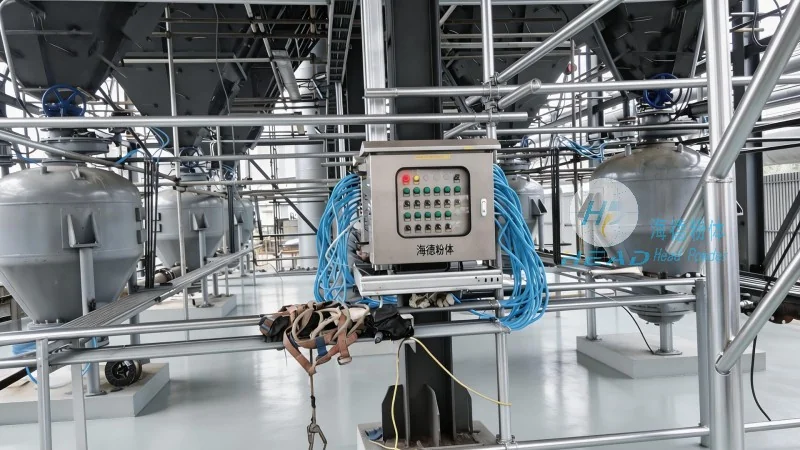
Overview of Common Conveying Methods for Fine Coal Powder
Fine coal powder, with its fine particle size and potential for dust generation, requires specialized conveying solutions to ensure reliable and safe transport. The primary methods used in industrial applications include air-powered systems and mechanical systems. Each approach has distinct features that make it suitable for different operational requirements and environments.
Air-Powered Conveying Systems
Air-powered conveying, also known as pneumatic conveying, uses compressed air or vacuum to move fine coal powder through a pipeline. This method is widely adopted due to its ability to handle fine powders without the need for direct contact with mechanical components. There are two main types: positive pressure and negative pressure systems.
Positive pressure systems operate by blowing air into the pipeline, pushing the material forward. They are effective for short to medium distances and are commonly used in applications where the material needs to be transported from a central storage to a processing unit. The primary advantages include high material transport rates, low maintenance requirements, and the ability to handle abrasive materials without significant wear on components.
Negative pressure systems, on the other hand, use suction to draw the material into the pipeline. This approach is ideal for applications requiring material to be transported from multiple sources or over longer distances. Negative pressure systems are often preferred in environments where dust control is critical, as they minimize the risk of dust leakage from the system. However, they may require more robust filtration systems to maintain air quality and prevent material buildup in the suction lines.
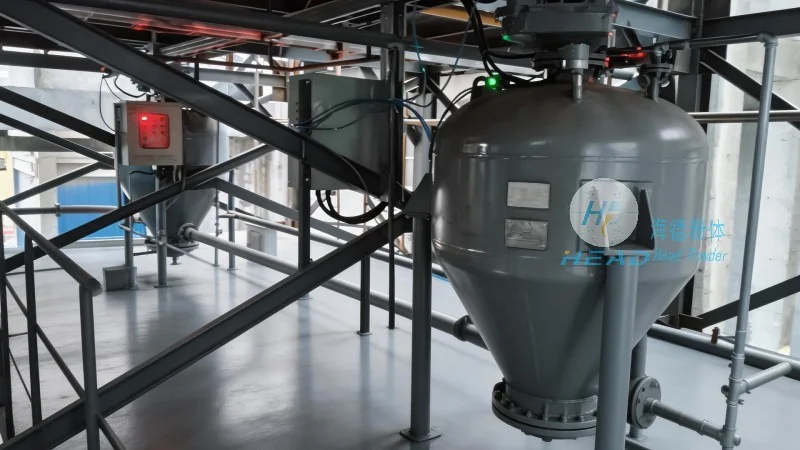
Both positive and negative pressure systems offer flexibility in system design, allowing for horizontal, vertical, or mixed configurations. The choice between them depends on factors such as the distance of transport, the volume of material to be moved, and the specific requirements of the processing plant.
Mechanical Conveying Systems
Mechanical conveying systems rely on mechanical components to move fine coal powder. These systems are generally more cost-effective for short-distance transport and are suitable for materials that are not highly abrasive or explosive. Common mechanical systems include screw conveyors, belt conveyors, and bucket elevators.
Screw conveyors use a rotating screw to push material along a trough. They are simple in design and can handle a wide range of materials, including fine powders. However, they are limited in terms of vertical lift and may experience wear on the screw and trough due to abrasive particles. Screw conveyors are often used in applications where the material is transported over short distances within a processing plant.
Belt conveyors use a continuous belt to transport material horizontally or at a slight incline. They are capable of handling large volumes of material and are suitable for both fine and coarse powders. Belt conveyors are commonly used in bulk material handling and can be integrated with other processing equipment. The main advantage is their ability to transport material over long distances with minimal maintenance. However, they may require more space and are less effective for vertical transport.
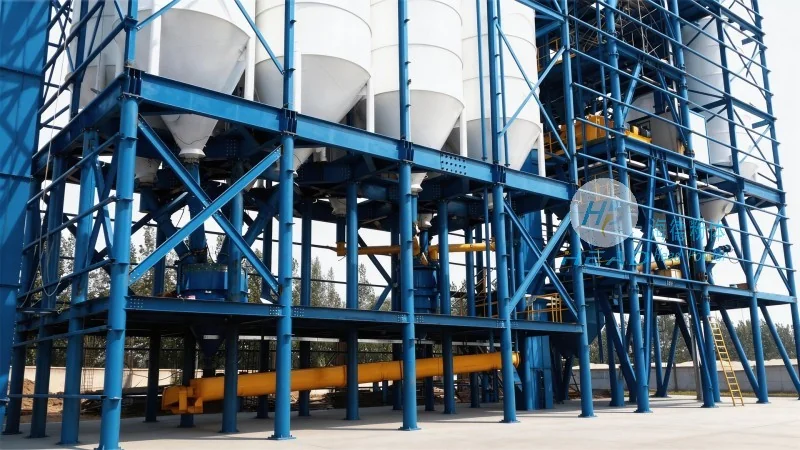
Bucket elevators use a series of buckets attached to a chain or belt to lift material vertically. This method is ideal for transporting fine coal powder over vertical distances, such as from a storage silo to a processing unit. Bucket elevators are highly efficient and can handle large volumes of material. However, they may be more complex and expensive to install compared to other mechanical systems. The choice of mechanical system depends on the specific operational needs, including the distance, height, and volume of material to be transported.
HeadPowder's Expertise in Fine Coal Powder Conveying Solutions
Shandong HeadPowder Engineering Co., Ltd., a leading provider of industrial conveying solutions, specializes in designing and manufacturing systems tailored to the unique needs of fine coal powder handling. With years of experience in the industry, HeadPowder has developed advanced technologies to address the challenges associated with transporting fine powders. The company's expertise lies in combining the best features of air-powered and mechanical systems to create customized solutions that optimize material transport efficiency, reduce downtime, and enhance safety.
HeadPowder's team of engineers works closely with clients to understand their specific requirements, including the type of coal powder, processing capacity, and operational environment. Based on this information, they design systems that meet the highest standards of performance and reliability. The company's products are manufactured using high-quality materials and advanced manufacturing processes, ensuring durability and long service life.
HeadPowder's solutions are designed to be flexible and scalable, allowing businesses to adapt their conveying systems as their operations grow. The company provides comprehensive support, including installation, maintenance, and technical assistance, to ensure that clients can maximize the benefits of their conveying systems. By partnering with HeadPowder, businesses can improve their material handling processes, reduce operational costs, and enhance overall productivity.
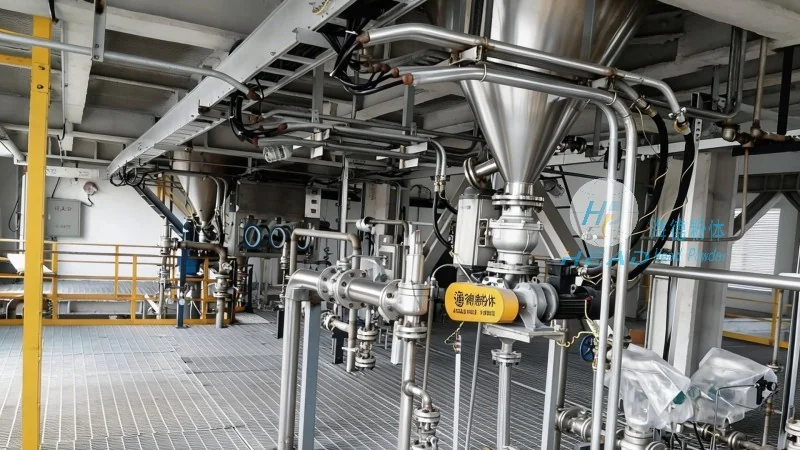
Technical Advantages and Application Scenarios
The choice of conveying method for fine coal powder depends on several factors, including the particle size, moisture content, and handling volume. Air-powered systems are generally preferred for fine powders with high moisture content or those that are prone to dust generation. Mechanical systems, such as screw and belt conveyors, are more suitable for materials that are less abrasive and require short-distance transport.
For example, in power plants, fine coal powder is often transported from storage silos to boilers using air-powered systems due to the need for long-distance transport and the presence of dust. In contrast, in small-scale processing facilities, mechanical screw conveyors may be used for short-distance transport of coal powder to grinding equipment.
HeadPowder's solutions are designed to address these diverse application scenarios. The company's air-powered systems are equipped with advanced filtration and control technologies to ensure safe and efficient material transport. Mechanical systems are engineered for durability and low maintenance, making them ideal for continuous operation in industrial settings.
Conclusion and Contact Information
Fine coal powder conveying is a critical aspect of industrial operations, and selecting the right method is essential for optimal performance. By comparing air-powered and mechanical systems, businesses can choose the most suitable solution for their specific needs. Shandong HeadPowder Engineering Co., Ltd. offers expert guidance and customized solutions to help businesses optimize their material handling processes. For more information about fine coal powder conveying systems, please contact HeadPowder at their office in Shandong, China.




