When it comes to pneumatic conveying of lightweight cement, the choice between positive pressure and negative pressure systems is a critical decision that impacts operational efficiency, cost-effectiveness, and overall system reliability. As a leading provider in the field, Shandong HeadPowder Engineering Co., Ltd. from China offers expert insights into the nuances of these two approaches, helping clients select the most suitable solution for their specific needs.
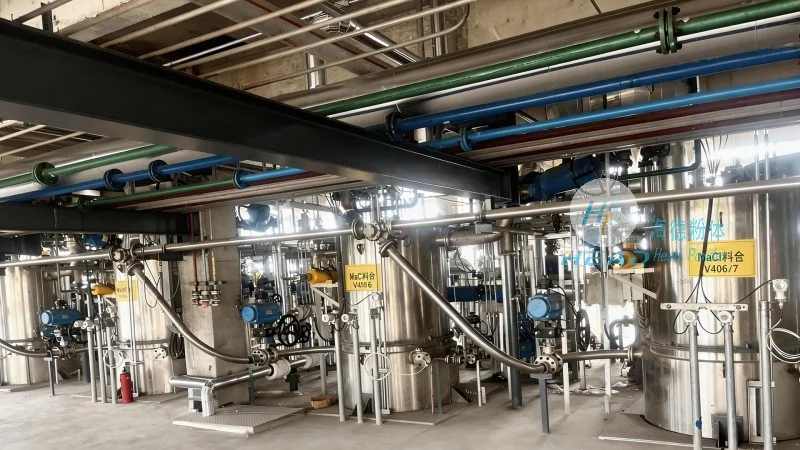
Understanding Pneumatic Conveying Basics
Pneumatic conveying is a method of transporting bulk materials like lightweight cement through a pipeline using air or gas as the conveying medium. It offers advantages such as dust-free operation, reduced labor costs, and the ability to handle materials in a closed system. However, the effectiveness of this process depends heavily on the pressure differential applied to the system—either positive or negative pressure.
Positive Pressure Conveying: Advantages and Applications
Positive pressure conveying involves blowing air or gas into the conveying line, creating a pressure higher than the ambient air pressure. This method is particularly effective for transporting lightweight cement over longer distances or through complex piping networks. The increased pressure helps maintain material flow and prevents blockages, making it ideal for industrial applications where high throughput is required. Shandong HeadPowder Engineering Co., Ltd. specializes in designing positive pressure systems tailored to handle the unique properties of lightweight cement, ensuring efficient and reliable material transport.
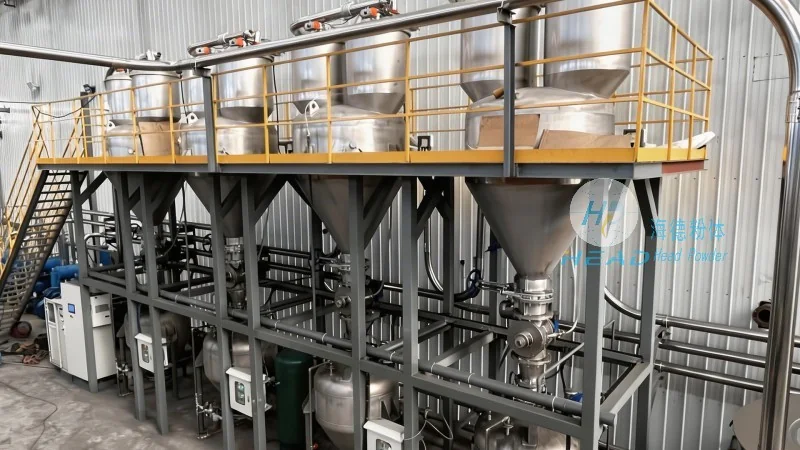
Negative Pressure Conveying: Key Characteristics and Use Cases
Conversely, negative pressure conveying operates by creating a vacuum or lower pressure within the system compared to the ambient environment. This approach draws material into the pipeline, making it suitable for applications where dust control is paramount or where the material needs to be transported from multiple sources to a central collection point. Negative pressure systems are often preferred in environments where maintaining a clean and safe working area is a top priority. However, they may have limitations in terms of maximum conveying distance and material handling capacity.
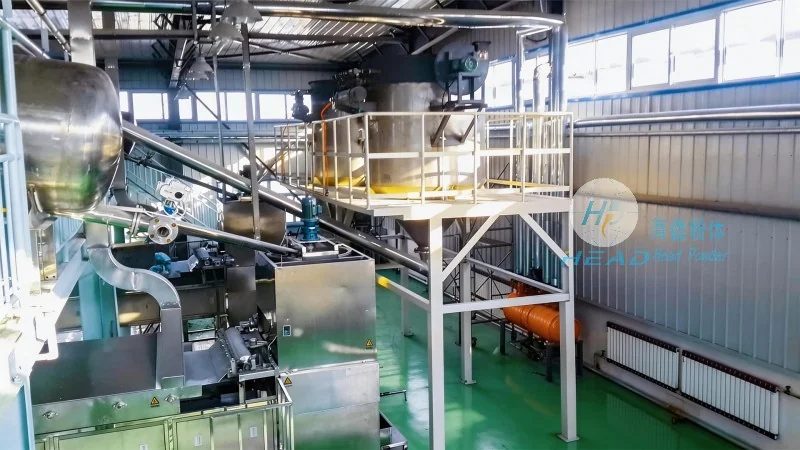
Distinguishing Factors: Key Considerations for Selection
Choosing between positive and negative pressure for lightweight cement pneumatic conveying requires careful evaluation of several factors. The first consideration is the distance and layout of the conveying system. Positive pressure is generally more suitable for longer distances or systems with multiple branches, while negative pressure is better for shorter runs or applications where the material is sourced from multiple points. Another critical factor is the material's properties, including its density, moisture content, and flowability. Lightweight cement, with its low bulk density, may behave differently under pressure, affecting the choice of system. Additionally, the environmental impact and regulatory requirements in the operating location play a role—negative pressure systems are often favored in environments where dust emissions must be minimized.
How Shandong HeadPowder Engineering Co., Ltd. Can Assist
For businesses navigating the decision between positive and negative pressure pneumatic conveying for lightweight cement, Shandong HeadPowder Engineering Co., Ltd. provides comprehensive solutions. The company's expertise lies in designing customized systems that align with operational needs, material characteristics, and environmental standards. By leveraging advanced engineering and years of industry experience, HeadPowder offers tailored solutions that optimize performance, reduce operational costs, and ensure compliance with industry regulations. Whether a client requires a positive pressure system for high-volume transport or a negative pressure system for dust control, the company's team of professionals works closely with clients to identify the best approach, ensuring long-term efficiency and reliability in material handling processes.




