When it comes to transporting bulk materials, especially in the food industry, the choice between positive pressure and negative pressure pneumatic conveying systems is critical. Both methods offer efficient ways to move powders and granules, but they differ significantly in their operational principles, applications, and performance characteristics. This article provides a detailed comparison of positive pressure and negative pressure pneumatic conveying, helping food processing companies make informed decisions based on their specific needs. HeadPowder, a leading provider of pneumatic conveying solutions, specializes in designing and manufacturing systems tailored to the unique requirements of the food industry.
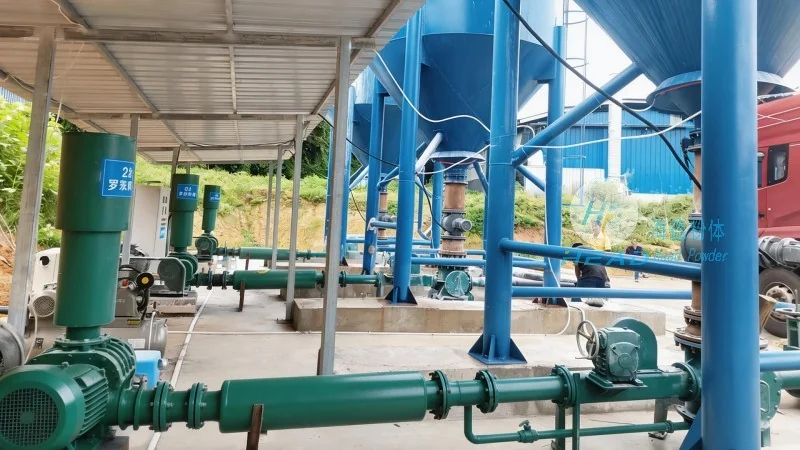
Introduction to Pneumatic Conveying in the Food Industry
Pneumatic conveying systems are widely used in the food industry to transport dry bulk materials such as powders, granules, and fine particles. These systems use air or other gases to move materials through a pipeline network, eliminating the need for mechanical components like belts or buckets. The primary advantage of pneumatic conveying is its ability to handle materials that are difficult to transport using traditional methods, such as those that are hygroscopic, abrasive, or sensitive to contamination. However, the choice between positive pressure and negative pressure systems depends on factors like material properties, system layout, and operational requirements.
Understanding Positive Pressure Pneumatic Conveying
Positive pressure pneumatic conveying systems operate by blowing air or gas into the conveying line, creating a pressure higher than the ambient air pressure. The material is then drawn into the line by the pressure differential and carried to the destination. This method is particularly effective for transporting materials over long distances or through complex pipeline networks. The system typically includes a blower or compressor at the inlet, which provides the necessary pressure to move the material. The positive pressure system is often preferred for applications where the material is abrasive or has high moisture content, as it reduces the risk of material degradation and blockages.
Key Features and Advantages of Positive Pressure Conveying
Positive pressure systems offer several advantages that make them suitable for a wide range of food processing applications. One of the main benefits is their ability to handle materials with high moisture content or hygroscopic properties, as the high pressure helps to prevent material clumping and caking. Additionally, these systems are more efficient for long-distance transport, as the pressure can be maintained throughout the entire pipeline. Another advantage is the reduced risk of product contamination, as the system is sealed and the air is filtered to meet food safety standards. However, positive pressure systems may require more maintenance due to the higher pressure and the need for robust components to withstand the internal pressure.
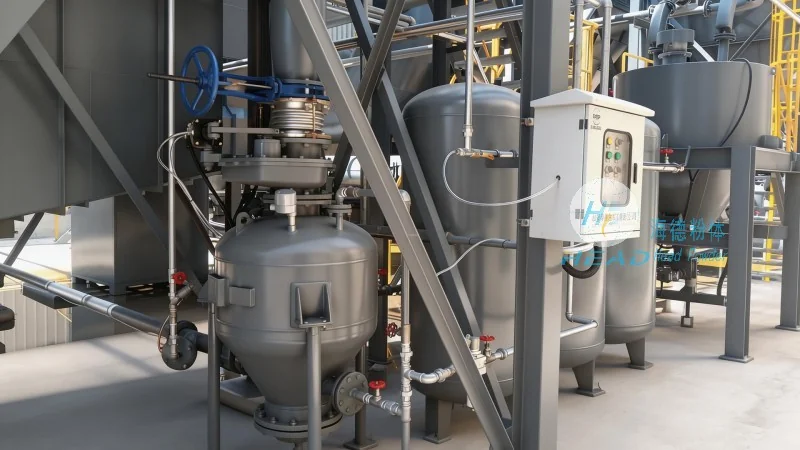
Applications of Positive Pressure Pneumatic Conveying
Positive pressure pneumatic conveying is commonly used in the food industry for applications such as transporting flour, sugar, and other fine powders from storage silos to processing equipment. It is also suitable for moving granules like coffee beans or cocoa powder from raw material handling to packaging lines. The system is particularly effective in facilities with multiple processing areas, as it allows for the integration of different material streams into a single pipeline network. Additionally, positive pressure systems are used in applications where the material needs to be transported over long distances, such as in large-scale food processing plants with multiple production lines.
Understanding Negative Pressure Pneumatic Conveying
Negative pressure pneumatic conveying systems operate by creating a vacuum or low pressure at the inlet of the conveying line, which draws the material into the line and moves it to the destination. The system typically includes a vacuum pump or fan at the outlet, which pulls the material and air through the pipeline. This method is often preferred for applications where the material is light and has low bulk density, as the vacuum helps to maintain the material's flow characteristics. Negative pressure systems are also suitable for short-distance transport or when the material needs to be transported from a high point to a lower point.
Key Features and Advantages of Negative Pressure Conveying
Negative pressure systems offer several advantages that make them suitable for specific food processing applications. One of the main benefits is their lower energy consumption compared to positive pressure systems, as the vacuum pump requires less power to operate. Additionally, these systems are less likely to cause material degradation or blockages, as the low pressure helps to prevent the material from clumping or caking. Another advantage is the reduced risk of product contamination, as the system is sealed and the air is filtered to meet food safety standards. However, negative pressure systems may have limitations in terms of the distance they can transport materials, as the vacuum can be lost over longer distances.
Applications of Negative Pressure Pneumatic Conveying
Negative pressure pneumatic conveying is commonly used in the food industry for applications such as transporting light powders like milk powder or whey protein from processing equipment to storage silos. It is also suitable for moving granules like nuts or seeds from packaging lines to raw material handling areas. The system is particularly effective in facilities with short-distance transport needs or when the material needs to be moved from a higher elevation to a lower one. Additionally, negative pressure systems are used in applications where the material has low bulk density, as the vacuum helps to maintain the material's flow characteristics and prevent it from settling in the pipeline.
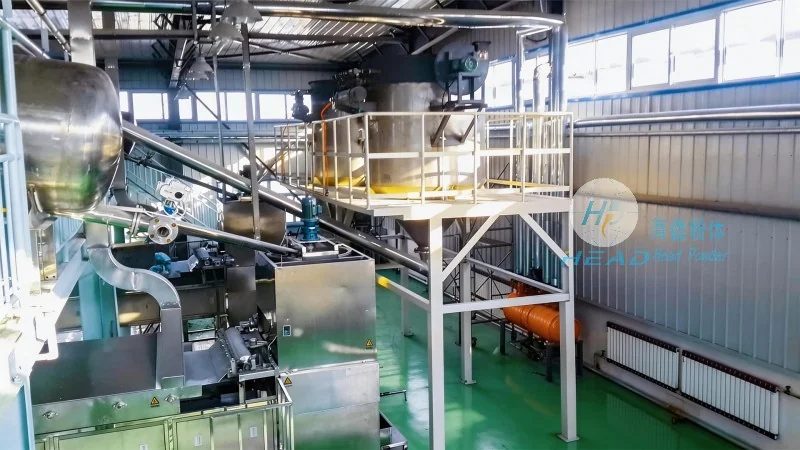
Comparative Analysis: Positive vs. Negative Pressure Pneumatic Conveying
When comparing positive and negative pressure pneumatic conveying systems, several factors need to be considered. The choice between the two methods depends on the specific characteristics of the material being transported, the distance and layout of the system, and the operational requirements of the food processing facility. Positive pressure systems are generally more suitable for long-distance transport and handling of abrasive or high-moisture materials, while negative pressure systems are better for short-distance transport and handling of light, low-density materials.
Factors Influencing the Choice of Pneumatic Conveying System
The decision to use positive or negative pressure pneumatic conveying is influenced by several key factors. Material properties, such as particle size, density, and moisture content, play a significant role in determining the appropriate system. For example, fine powders with high moisture content are better suited for positive pressure systems, while light granules with low bulk density are more suitable for negative pressure systems. System layout and distance are also important considerations. Positive pressure systems are preferred for long-distance transport, while negative pressure systems are more suitable for short-distance or vertical transport. Operational requirements, such as the need for high efficiency or low maintenance, also influence the choice of system. Positive pressure systems may require more maintenance due to the higher pressure and robust components, while negative pressure systems have lower energy consumption and are easier to maintain.
Conclusion: Selecting the Right Pneumatic Conveying System for Food Processing
Choosing between positive pressure and negative pressure pneumatic conveying systems is a critical decision for food processing companies. Both methods offer efficient ways to transport bulk materials, but they differ in their operational principles, applications, and performance characteristics. Positive pressure systems are ideal for long-distance transport and handling of abrasive or high-moisture materials, while negative pressure systems are better for short-distance transport and handling of light, low-density materials. The choice of system should be based on the specific needs of the facility, including material properties, system layout, and operational requirements. By understanding the differences between these two methods, food processing companies can select the most suitable pneumatic conveying system to ensure efficient and safe material transport.




