For industrial applications, the design of an efficient and reliable kaolin powder pneumatic conveying system is crucial for ensuring smooth material handling and minimizing operational disruptions. A well-planned system not only enhances productivity but also reduces maintenance costs and environmental impact. This article outlines key considerations and steps for designing a reasonable kaolin powder pneumatic conveying system, with a focus on practical implementation and optimal performance.
Understanding Kaolin Powder Characteristics for System Design
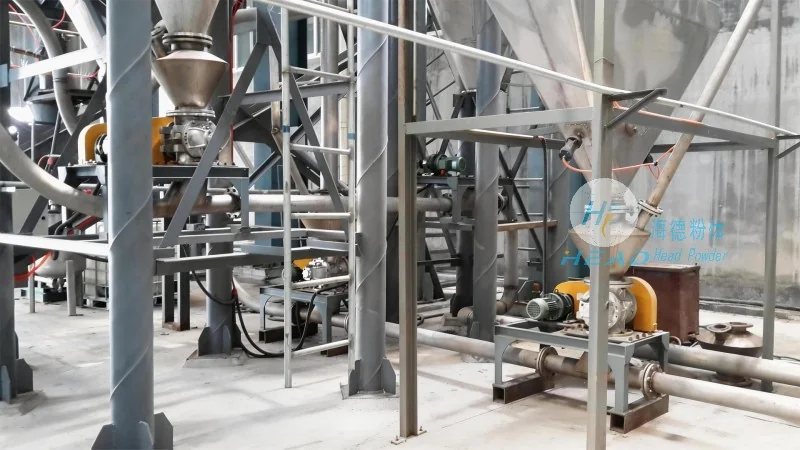
Before designing a pneumatic conveying system for kaolin powder, it is essential to understand the physical and chemical properties of the material. Kaolin powder typically has a fine particle size, low bulk density, and can be prone to static electricity. These characteristics influence the choice of conveying method, such as dilute phase or dense phase, and the selection of equipment like blowers, filters, and piping. The particle size distribution, moisture content, and flowability of the kaolin powder are critical factors that affect system performance. For instance, finer particles may require higher air velocities to prevent blockages, while higher moisture content can lead to increased friction and potential caking in the system. By analyzing these properties, engineers can tailor the system design to meet specific operational requirements.
System Selection: Dilute Phase vs. Dense Phase Conveying
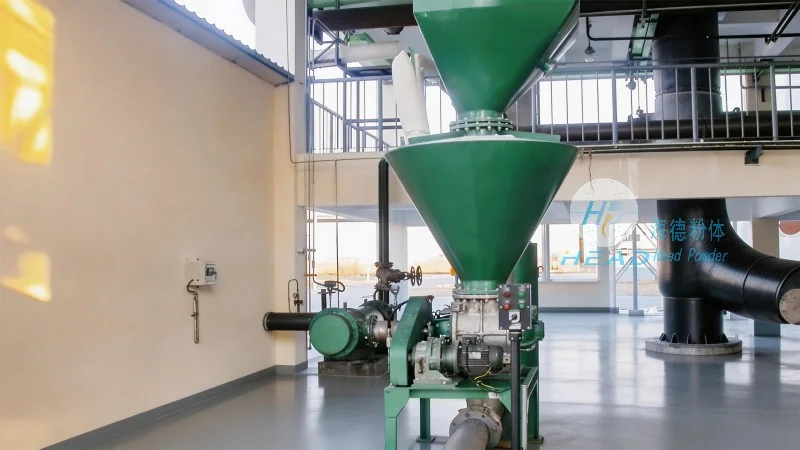
One of the primary decisions in designing a kaolin powder pneumatic conveying system is choosing between dilute phase and dense phase conveying. Dilute phase systems use high air velocities to transport particles in a suspended state, typically at velocities above 20 m/s. This method is suitable for short to medium distances and is commonly used for fine powders like kaolin. Dense phase systems, on the other hand, operate at lower velocities and higher air-to-solid ratios, resulting in a more compact material flow. Dense phase conveying is ideal for longer distances or when handling materials that are prone to degradation or segregation. The choice between these systems depends on factors such as the distance between the source and destination, the required flow rate, and the material's sensitivity to high velocities. For many kaolin powder applications, dilute phase systems are preferred due to their simplicity and lower energy consumption, but dense phase may be necessary for specific process requirements.
Key Components of a Kaolin Powder Pneumatic Conveying System
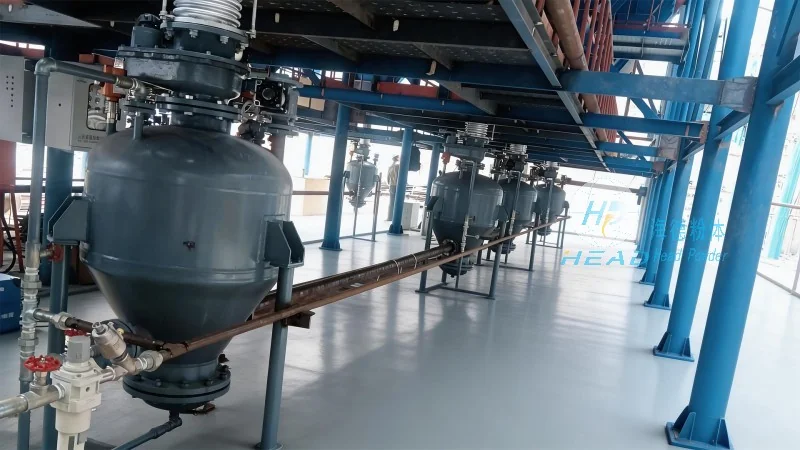
A typical kaolin powder pneumatic conveying system consists of several key components that work together to ensure efficient material transport. The main components include a material feeder, a blower or compressor, a conveying line (piping), a filter or separator, and a receiver or discharge unit. The material feeder is responsible for accurately feeding the kaolin powder into the system, maintaining a consistent flow rate. This component is critical to prevent surges or blockages that can disrupt the conveying process. The blower or compressor provides the necessary air pressure and volume to move the powder through the system. The choice of blower type (centrifugal, positive displacement) depends on the system's requirements, such as pressure, flow rate, and energy efficiency. The conveying line is designed to handle the air and powder mixture, with considerations for material compatibility, pressure drop, and corrosion resistance. For kaolin powder, which can be abrasive, materials like stainless steel or special coatings may be used to protect the piping. The filter or separator is essential for removing the powder from the air stream, preventing dust emissions and protecting downstream equipment. Finally, the receiver or discharge unit collects the conveyed kaolin powder and discharges it into the target storage or processing equipment. Each component must be carefully selected and sized to ensure the system operates within its design parameters and meets the required performance standards.
Design Considerations for Kaolin Powder Pneumatic Conveying Systems
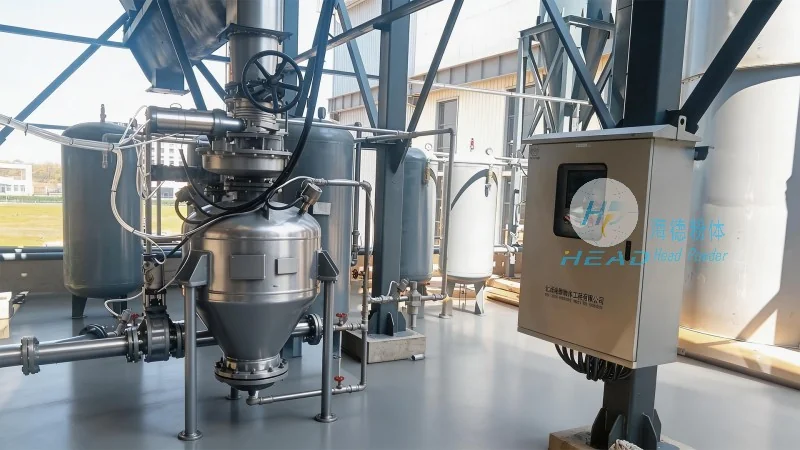
Several design considerations are critical to the success of a kaolin powder pneumatic conveying system. First, the system must be designed to handle the specific flow rate and pressure requirements of the application. The flow rate is determined by the production capacity and the distance between the source and destination, while the pressure is influenced by the system's length, elevation changes, and the material's properties. Engineers must calculate the required air volume and pressure to ensure the system can transport the kaolin powder efficiently without excessive energy consumption. Second, the system must be designed to minimize pressure drop along the conveying line. High pressure drop can lead to reduced flow rates and increased energy costs. This can be achieved by optimizing the pipe diameter, reducing bends and fittings, and using smooth, corrosion-resistant materials. Third, the system must incorporate proper filtration and dust control measures to comply with environmental regulations and protect equipment. The filter or separator must be sized to handle the expected dust load and maintain efficient operation. Fourth, the system should include safety features such as pressure relief valves, emergency shut-off valves, and monitoring systems to prevent accidents and ensure safe operation. Additionally, the design should consider the potential for material buildup or clogging, especially in areas where the powder may settle or accumulate. Regular cleaning and maintenance procedures should be included in the system design to ensure long-term reliability.




