Limestone powder, a crucial raw material in various industrial processes such as cement production, chemical manufacturing, and construction materials, requires efficient and reliable transport methods to ensure consistent quality and operational efficiency. Pneumatic conveying systems have emerged as a preferred solution for handling limestone powder due to their ability to transport materials in a dust-free environment, minimize material degradation, and enhance process automation. This technical analysis delves into the core technologies of limestone powder pneumatic conveying systems, focusing on the two primary modes—positive pressure and negative pressure—and provides a comprehensive comparison to assist in system selection.
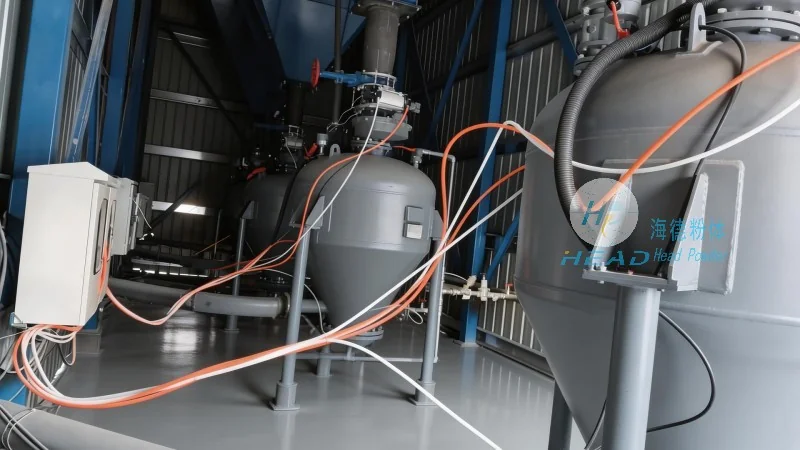
Company Overview: Shandong HeadPowder Engineering Co., Ltd.
HeadPowder, a leading engineering firm based in Shandong, China, specializes in the design, manufacturing, and installation of advanced pneumatic conveying systems tailored for limestone powder and other fine particulate materials. With years of industry experience, HeadPowder has developed a robust portfolio of solutions that cater to diverse operational requirements, ensuring optimal performance and longevity. The company's commitment to innovation and customer-centric service has established it as a trusted partner in the material handling sector.
Technical Overview of Pneumatic Conveying Systems for Limestone Powder
Pneumatic conveying systems utilize air or gas to transport bulk materials through a pipeline network. For limestone powder, which is typically fine and abrasive, the system design must address challenges such as particle segregation, system efficiency, and environmental compliance. Key components of a pneumatic conveying system include the material feed hopper, air compressor (for positive pressure systems), vacuum pump (for negative pressure systems), conveying pipeline, and material discharge equipment. Each component plays a critical role in ensuring the system operates smoothly and meets performance standards.
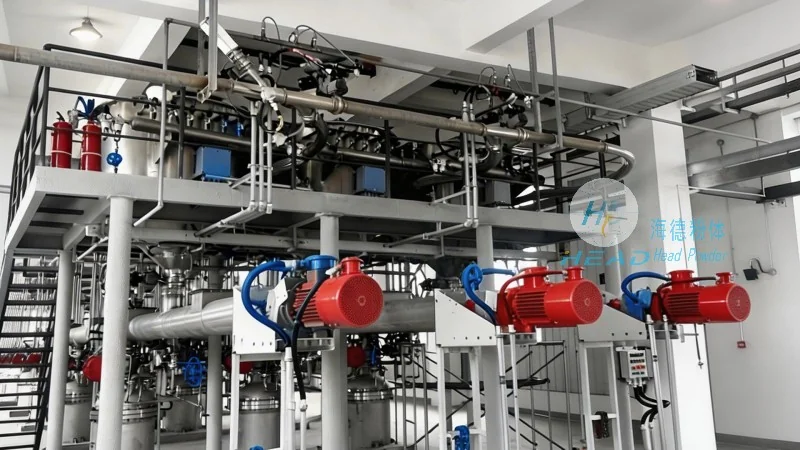
Positive Pressure Conveying Mode: Advantages and Technical Features
The positive pressure conveying mode operates by forcing air and material through the pipeline under pressure. This method is particularly effective for long-distance and high-capacity transport of limestone powder. Key advantages of positive pressure systems include:
- High Transport Capacity: Capable of handling large volumes of material, making it suitable for bulk material transport.
- Reduced Material Degradation: The pressurized environment minimizes particle attrition and degradation during transport.
- Dust-Free Operation: The sealed system prevents dust emissions, enhancing workplace safety and environmental compliance.
- Simplified System Design: Positive pressure systems often require fewer components compared to negative pressure systems, reducing installation complexity.
Technical features of positive pressure systems include high-pressure air compressors (typically operating at 6-10 bar), robust pipeline materials (such as stainless steel or corrosion-resistant alloys) to withstand pressure and abrasive particles, and efficient material feed mechanisms (e.g., rotary valves or screw feeders) to maintain consistent material flow.
Negative Pressure Conveying Mode: Advantages and Technical Features
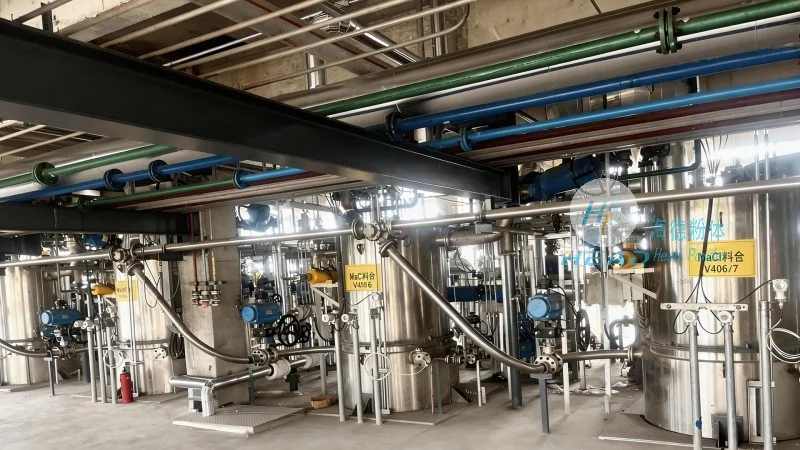
The negative pressure conveying mode, also known as vacuum conveying, operates by creating a vacuum in the pipeline to draw material from the source. This method is ideal for short-distance transport, handling sensitive materials, or applications where dust containment is critical. Key advantages of negative pressure systems include:
- Low Energy Consumption: Vacuum systems generally consume less energy compared to high-pressure positive pressure systems, leading to operational cost savings.
- Quiet Operation: The absence of high-pressure air compressors results in reduced noise levels, making it suitable for indoor or noise-sensitive environments.
- Material Gentle Handling: The vacuum process is less abrasive to the material, preserving its quality and reducing degradation.
- Versatility in Source Locations: Negative pressure systems can draw material from multiple sources or elevated locations without the need for complex feed mechanisms.
Technical features of negative pressure systems include high-capacity vacuum pumps (operating at 50-100 kPa), flexible or rigid pipelines (depending on the application), and efficient material collection systems (e.g., hopper or bin suction units) to ensure consistent material intake.
Comparative Analysis of Positive vs. Negative Pressure Systems
When selecting a pneumatic conveying system for limestone powder, it is essential to evaluate the specific requirements of the application. The choice between positive and negative pressure modes depends on several factors, including:




