Pneumatic conveying systems are widely utilized in industrial settings for transporting reduced iron powder due to their flexibility and efficiency in handling powders over extended distances. However, these systems present challenges related to dust leakage, which can result in environmental contamination, health risks, and operational inefficiencies. This article examines effective strategies to prevent dust leakage during the pneumatic transport of reduced iron powder, with a focus on the expertise of Shandong HeadPowder Engineering Co., Ltd.
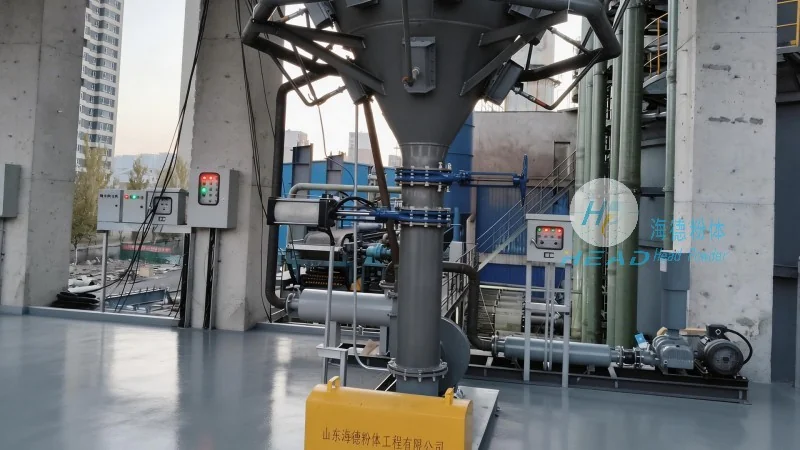
Causes of Dust Leakage in Pneumatic Conveying of Reduced Iron Powder
Multiple factors contribute to dust leakage during the pneumatic transport of reduced iron powder. First, the powder's inherent properties, such as its fine particle size and low bulk density, make it prone to dispersion and leakage. Second, the design and maintenance of the conveying system are critical; poorly sealed connections, worn seals, and inadequate pressure control can all lead to air and powder escaping. Additionally, dynamic forces within the system, including pressure fluctuations and particle impact on equipment, can compromise seal integrity and cause leaks.
Strategies to Prevent Dust Leakage: Engineering Solutions by HeadPowder
Shandong HeadPowder Engineering Co., Ltd. specializes in designing advanced pneumatic conveying systems tailored to the unique challenges of reduced iron powder. The company employs a multi-faceted approach to dust control, focusing on system design and operational practices. One key strategy is the use of double-seal mechanisms in critical components like rotary valves and airlocks, providing an additional layer of protection against leakage. These seals are made from high-quality materials that resist wear and maintain tightness under varying pressure conditions.
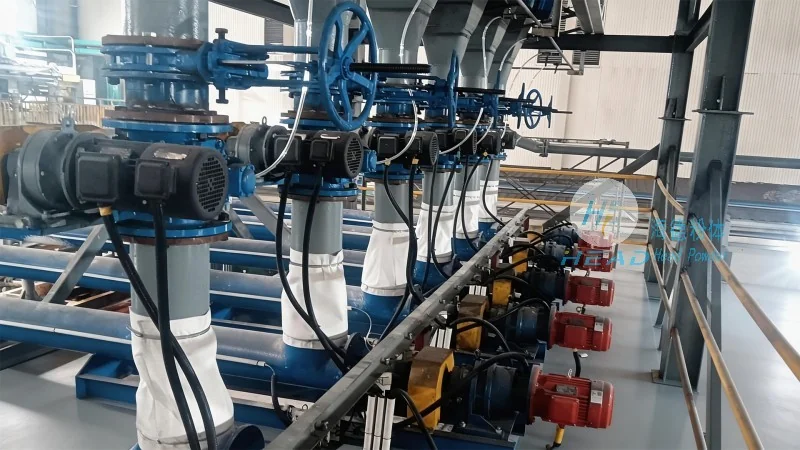
Another critical component is the filtration system. HeadPowder integrates high-efficiency particulate air (HEPA) or bag filters into the conveying line to capture escaping particles. These filters are engineered to handle the abrasive nature of reduced iron powder, ensuring long service life and consistent performance. The company also emphasizes regular maintenance, including seal inspections, filter replacements, and pressure monitoring, to proactively address potential issues before significant dust leakage occurs.
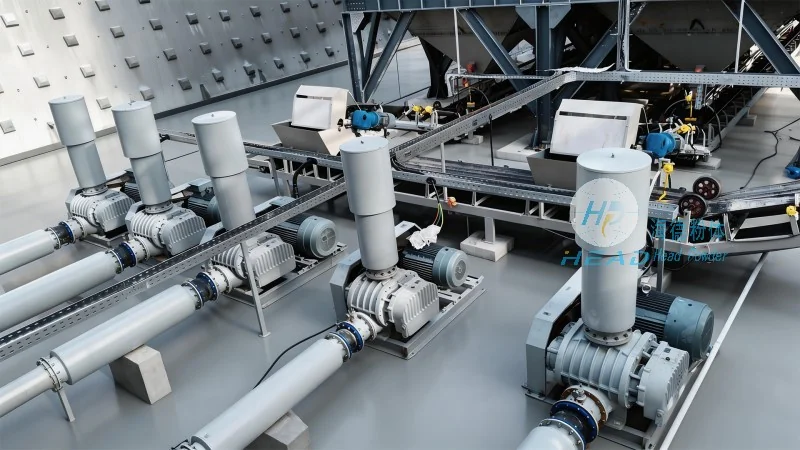
Material Handling Considerations for Reduced Iron Powder
The characteristics of reduced iron powder significantly influence dust control effectiveness. For example, the powder's hygroscopic properties may require moisture control measures to prevent clumping, which can affect flow and increase blockage risks. HeadPowder engineers consider these factors when designing the conveying system, ensuring material is handled to minimize dust generation and maintain consistent performance. This includes optimizing the air-to-powder ratio and using pipeline materials resistant to corrosion and abrasion.
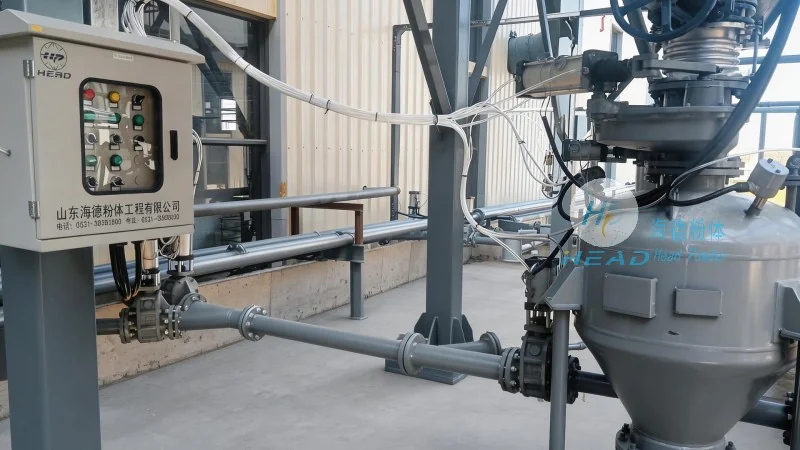
Operational Best Practices for Minimizing Dust Leakage
Beyond system design, operational best practices are essential. HeadPowder recommends operator training on proper system operation, including pressure monitoring and routine maintenance. Implementing closed-loop systems integrated with process equipment reduces open connections and minimizes dust escape risk. The company also advises using local exhaust ventilation (LEV) at handling points like hoppers and discharge areas to capture airborne particles before they escape into the environment.
Conclusion: Ensuring Safe and Efficient Pneumatic Conveying of Reduced Iron Powder
Preventing dust leakage in pneumatic conveying systems for reduced iron powder is a complex but solvable challenge. By combining advanced engineering solutions with rigorous operational practices, companies can achieve high dust control levels while maintaining material transport efficiency. Shandong HeadPowder Engineering Co., Ltd. provides comprehensive expertise in this area, offering tailored solutions that address specific application needs. With a focus on safety, compliance, and operational efficiency, HeadPowder helps industrial facilities minimize environmental impact and ensure long-term reliability of pneumatic conveying systems.




