Multi-functional bulk material pneumatic conveying systems represent a sophisticated solution for material handling in various industrial applications. These systems are designed to efficiently transport dry bulk materials through a network of pipes using compressed air or other gas streams. The technology has evolved significantly over the years, offering enhanced performance, flexibility, and reliability compared to traditional methods like belt conveyors or bucket elevators.
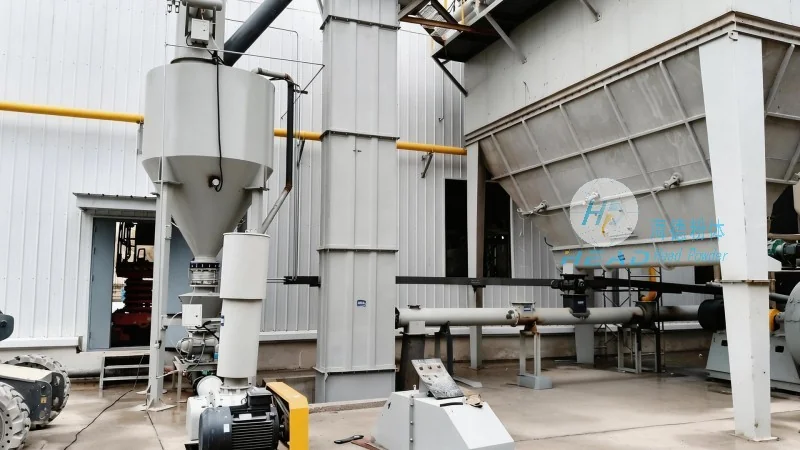
Company Overview: HeadPowder
HeadPowder, a leading manufacturer in the field of material handling equipment, specializes in the design, manufacturing, and supply of advanced pneumatic conveying systems. With a strong commitment to innovation and quality, HeadPowder has established itself as a trusted partner for industries requiring reliable and efficient material transport solutions. The company is headquartered in Shandong, China, where it leverages local manufacturing capabilities and expertise to deliver high-performance products tailored to diverse customer needs.
The Working Principle of Multi-functional Pneumatic Conveying Systems
At the core of a multi-functional pneumatic conveying system is the process of transporting bulk materials through a sealed pipeline using a gas stream. The system typically operates on the principle of creating a pressure differential between the inlet and outlet of the conveying line. Compressed air or other suitable gases are introduced into the system, generating a flow that pulls or pushes the material particles along the pipeline. The working principle can be categorized into two main types: pressure and vacuum systems. Pressure systems use compressed air to push the material forward, while vacuum systems create a negative pressure to draw the material into the pipeline. Multi-functional systems often combine both pressure and vacuum capabilities, allowing for flexible operation across different material types and distances.
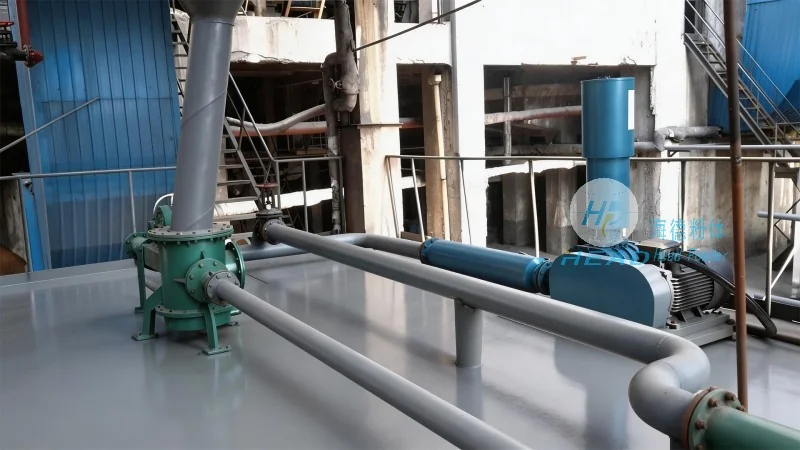
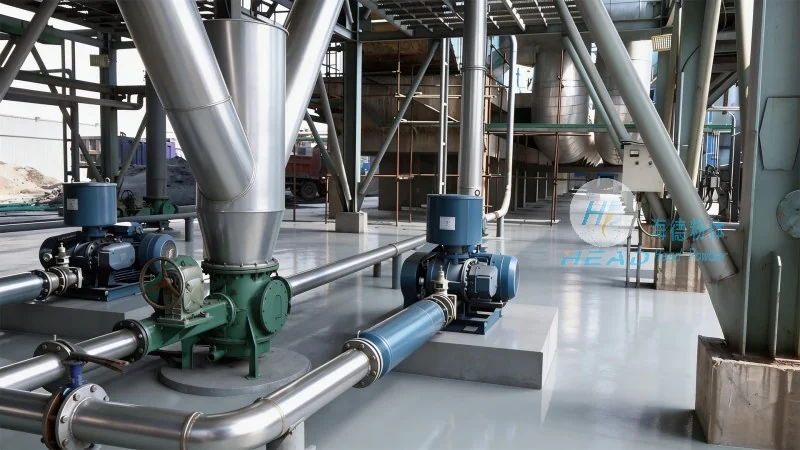
Key components of a pneumatic conveying system include the material hopper, which stores the bulk material and feeds it into the system; the conveying line, which transports the material; the air compressor or vacuum pump, which provides the necessary gas flow; and the control system, which regulates the operation of the components. The material hopper is equipped with a feeder, such as a rotary valve or a screw feeder, to control the flow rate of the material. The conveying line is made of durable materials like stainless steel or plastic, ensuring resistance to corrosion and wear from the transported materials. The air compressor or vacuum pump is responsible for generating the required pressure or vacuum levels, while the control system monitors and adjusts the system parameters to maintain optimal performance.
Key Features of Multi-functional Bulk Material Pneumatic Conveying Systems
Multi-functional pneumatic conveying systems offer several distinct advantages that make them ideal for modern industrial applications. One of the primary features is their ability to handle a wide range of bulk materials, including powders, granules, and fine particles. This versatility allows the systems to be used in various industries such as food processing, pharmaceuticals, chemicals, and mining. Another key feature is the system's flexibility in terms of layout and configuration. Unlike traditional conveyors, pneumatic systems can be easily reconfigured or expanded to accommodate changing production requirements or facility layouts. The systems also provide a hygienic and clean environment for transporting materials, which is crucial in industries like food and pharmaceuticals where contamination control is essential.
A significant feature of multi-functional pneumatic conveying systems is their energy efficiency. Compared to other material handling methods, pneumatic systems can achieve lower energy consumption while maintaining high transport efficiency. This is achieved through optimized design of the conveying line and the use of efficient air compressors. Additionally, the systems offer high reliability and low maintenance requirements, reducing downtime and operational costs for the end-user. The use of advanced materials and robust construction ensures that the systems can withstand harsh operating conditions and provide long-term performance.
Application and Performance Considerations
The performance of a multi-functional pneumatic conveying system depends on several factors, including the type of material being transported, the distance of the conveying line, and the required flow rate. For short distances and low flow rates, vacuum systems are often preferred due to their lower energy consumption. For longer distances or higher flow rates, pressure systems are more suitable. The system's design must also consider the material's properties, such as particle size, density, and moisture content, to ensure optimal conveying performance. HeadPowder's engineers utilize advanced simulation tools and extensive testing to design systems that meet the specific requirements of each application, ensuring maximum efficiency and reliability.
In conclusion, multi-functional bulk material pneumatic conveying systems represent a highly effective solution for material handling in modern industries. The combination of advanced technology, flexible design, and reliable performance makes these systems a preferred choice for businesses seeking to improve their operational efficiency and reduce costs. With a strong presence in the market and a commitment to quality, HeadPowder continues to innovate and provide cutting-edge solutions that meet the evolving needs of its customers.




