Shandong HeadPowder Engineering Co., Ltd., a leading manufacturer in the field of pneumatic conveying systems, specializes in providing efficient and reliable solutions for transporting wheat flour and other similar bulk materials. The company's expertise lies in designing and manufacturing equipment that ensures optimal performance, minimal maintenance, and high safety standards for industrial applications.
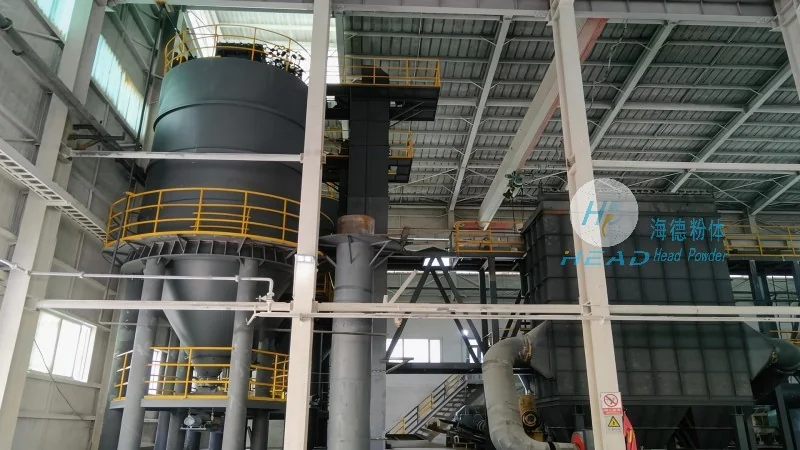
Pneumatic conveying equipment, as the name suggests, utilizes air to transport bulk materials like wheat flour from one location to another. This method offers several advantages over traditional mechanical conveying systems, making it a preferred choice in many industries. The core of this technology involves the use of a vacuum or pressure system to move materials through a pipeline network.
Working Principle of Wheat Flour Pneumatic Conveying Equipment
The working principle of wheat flour pneumatic conveying equipment is based on the fundamental concept of air movement and material suspension. The process typically starts with the material being fed into a hopper or a feeding device. From there, the material is introduced into a pipeline where it is mixed with air under controlled conditions. The air, either under vacuum (suction system) or pressure (blowing system), creates a flow that lifts and transports the wheat flour particles through the pipeline.
In a suction system, a vacuum pump creates a negative pressure that draws the wheat flour and air mixture into the pipeline. The material is then carried to the discharge point, where the air is separated from the flour, often through a cyclone separator or a filter. In a pressure system, a blower or a compressor supplies compressed air that pushes the wheat flour through the pipeline. The material is then discharged at the receiving end, and the air is typically vented or recirculated.
The key components of a pneumatic conveying system for wheat flour include the feeding device, the pipeline, the air supply unit (vacuum pump or blower), and the separation or discharge equipment. The feeding device ensures a consistent flow of wheat flour into the system, while the pipeline provides the path for material transport. The air supply unit generates the necessary air flow, and the separation equipment ensures that the wheat flour is collected efficiently without losing any material to the air stream.
Key Features of Wheat Flour Pneumatic Conveying Equipment
Wheat flour pneumatic conveying equipment from Shandong HeadPowder Engineering Co., Ltd. offers several distinct features that make it suitable for handling delicate and fine materials like wheat flour. One of the primary features is the ability to maintain the quality of the wheat flour during transport. The equipment is designed to minimize material degradation, such as clumping or agglomeration, which can occur with mechanical conveying methods.
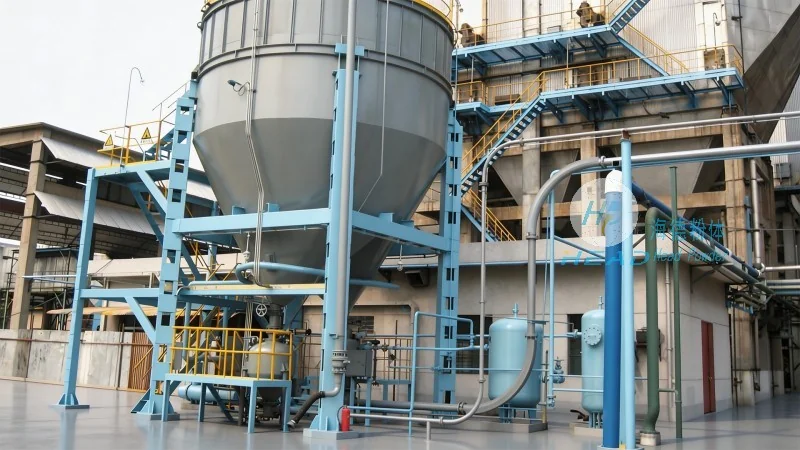
Another important feature is the high efficiency and capacity of the system. Pneumatic conveying can handle large volumes of wheat flour at a consistent rate, ensuring that production lines operate smoothly without bottlenecks. The system is also flexible, allowing for changes in the transport route or volume without significant modifications to the equipment.
Energy efficiency is another notable feature. Modern pneumatic conveying systems are designed to use less energy compared to traditional methods, reducing operational costs for the end-user. The use of vacuum or pressure systems can be optimized to achieve the best balance between material transport and energy consumption.
Additionally, the equipment is designed with safety in mind. The systems are equipped with safety features such as pressure relief valves, vacuum breakers, and material flow monitors to prevent accidents and ensure safe operation. The materials used in the construction of the equipment, such as stainless steel or corrosion-resistant alloys, are chosen to withstand the demands of handling wheat flour and to maintain hygiene standards.
Advantages of Using Pneumatic Conveying for Wheat Flour
When compared to other conveying methods, pneumatic conveying offers several advantages for wheat flour transport. The most significant advantage is the ability to handle fine and delicate materials without causing damage or degradation. This is crucial for maintaining the quality of wheat flour, which is essential for food processing and baking industries.
Another advantage is the reduced risk of contamination. Pneumatic systems are enclosed, preventing the material from coming into contact with external elements or contaminants. This is particularly important for wheat flour, which is used in food products and must meet strict hygiene standards.
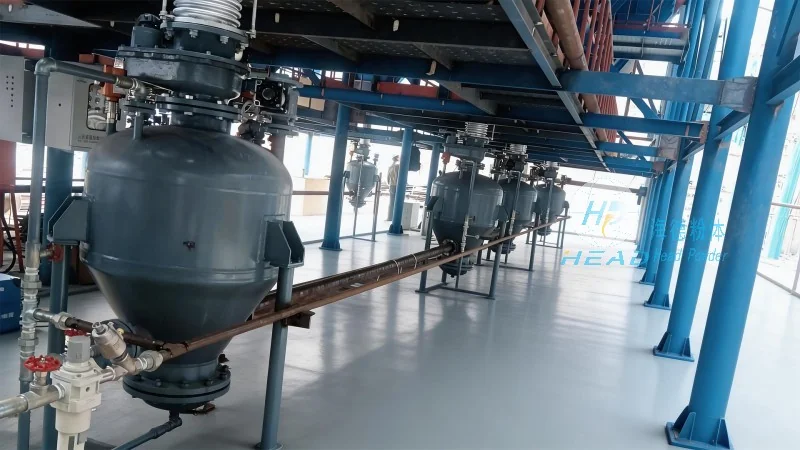
The system also provides better control over the material flow. Operators can adjust the air pressure or vacuum level to control the speed and volume of the wheat flour transport, ensuring that the process is optimized for the specific application. This level of control is difficult to achieve with mechanical conveying systems, which often have fixed speeds and capacities.
Furthermore, pneumatic conveying is more hygienic and easier to clean. The enclosed design and smooth surfaces of the equipment make it easier to maintain and sanitize, reducing the risk of bacterial growth or cross-contamination. This is a critical factor for industries that handle food-grade materials like wheat flour.
Customization and Application in Different Industries
Shandong HeadPowder Engineering Co., Ltd. offers customized pneumatic conveying solutions tailored to the specific needs of different industries. The company's engineers work closely with clients to understand their production requirements and design a system that meets their exact specifications. Whether it's for a small-scale bakery or a large-scale flour mill, the equipment can be customized to handle varying volumes and material characteristics.
The equipment is widely used in various industries, including food processing, pharmaceuticals, and chemical manufacturing. In the food industry, it is commonly used for transporting wheat flour to baking plants, where it is used to make bread, pastries, and other baked goods. In the pharmaceutical industry, pneumatic conveying is used to transport fine powders, such as those used in drug formulations, ensuring that the materials are handled gently and without contamination.
In the chemical industry, the equipment is used to transport various powders and granules, including those that are sensitive to moisture or temperature changes. The ability to control the air flow and temperature in the system helps maintain the stability of the materials during transport.




