When transporting polyurethane materials using pneumatic conveying systems, ensuring a dust-free environment is crucial for both operational efficiency and safety. Dust leakage can lead to product contamination, increased maintenance costs, and potential health hazards. This article explores effective strategies and best practices implemented by Shandong HeadPowder Engineering Co., Ltd. to prevent dust leakage in such systems, focusing on design, equipment, and operational considerations.
Understanding the Challenges of Polyurethane Dust Leakage
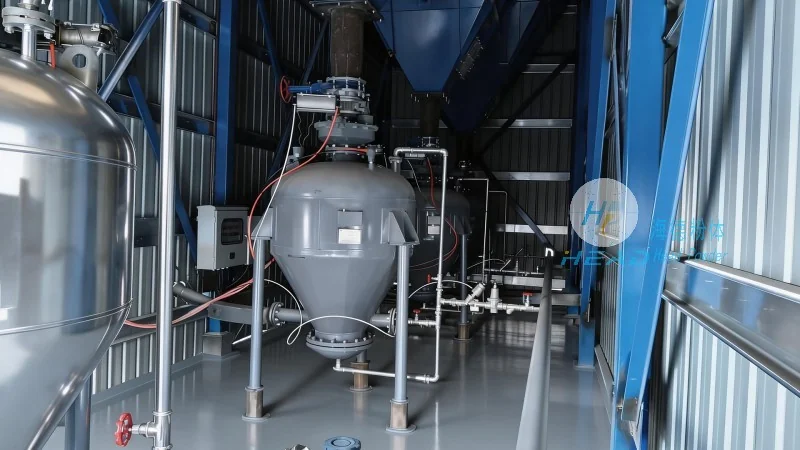
Polyurethane is a versatile polymer widely used in industrial applications, but its fine particles can easily become airborne during handling and transport. Pneumatic conveying systems, which rely on air pressure to move materials, are particularly susceptible to dust leakage at critical points such as transfer points, valves, and discharge areas. The primary challenges include maintaining airtight seals, managing pressure differentials, and preventing material buildup that can compromise system integrity. By addressing these challenges proactively, companies can enhance system reliability and reduce operational disruptions.
Key Design Considerations for Dust-Free Polyurethane Conveying
Proper system design is the foundation of effective dust control. Shandong HeadPowder Engineering Co., Ltd. emphasizes several key design elements to minimize leakage. First, the selection of appropriate materials for components like hoppers, pipelines, and valves is critical. Materials that resist wear and maintain structural integrity under pressure, such as stainless steel or specialized polymers, are preferred to prevent cracks or deformations that could lead to leaks. Second, the layout of the conveying system should minimize sharp turns and high-velocity zones, as these areas are prone to material attrition and increased pressure differentials. Smooth transitions and gradual bends help maintain consistent airflow and reduce stress on system components.
Advanced Sealing and Valve Technologies
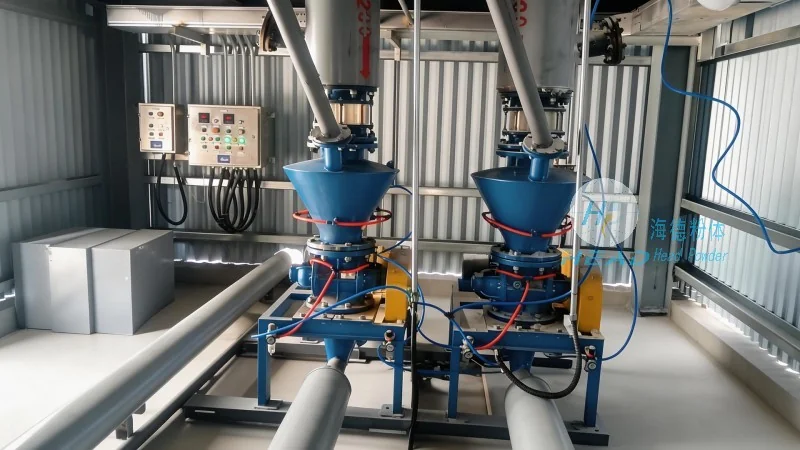
Sealing mechanisms are a critical component in preventing dust leakage. Shandong HeadPowder Engineering Co., Ltd. utilizes advanced sealing technologies tailored for polyurethane applications. For example, double-seal valve systems with dynamic and static seals provide multiple layers of protection against air and material escape. These valves are designed to maintain a tight seal even under varying pressure conditions, ensuring that the conveying system remains airtight throughout operation. Additionally, the use of flexible, wear-resistant seals in transfer points and connections helps accommodate thermal expansion and material abrasion, further reducing the risk of leaks.
Regular Maintenance and Monitoring
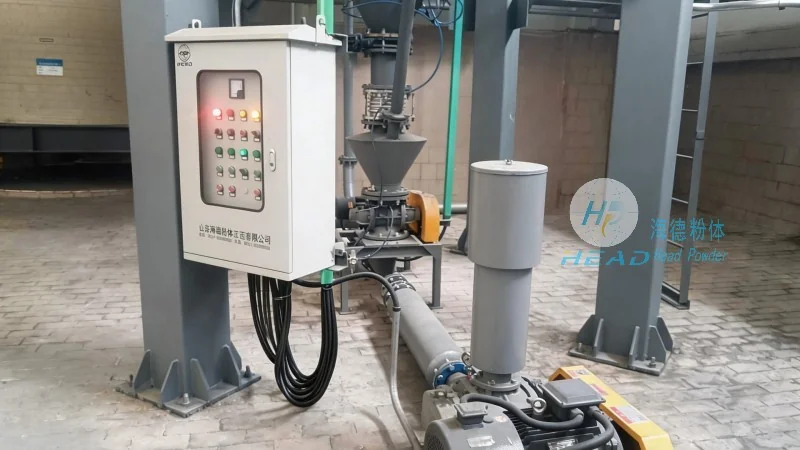
Preventing dust leakage is not a one-time setup but an ongoing process that requires regular maintenance and monitoring. Shandong HeadPowder Engineering Co., Ltd. recommends establishing a comprehensive maintenance schedule that includes routine inspections of seals, valves, and pipeline connections. Regular cleaning of system components, particularly in areas prone to material buildup, is essential to prevent blockages that can increase pressure differentials and compromise seals. Additionally, implementing real-time monitoring systems, such as pressure sensors and air quality detectors, allows operators to detect potential leaks early and address them before they escalate into significant issues.
Case Study: Successful Implementation by Shandong HeadPowder Engineering Co., Ltd.
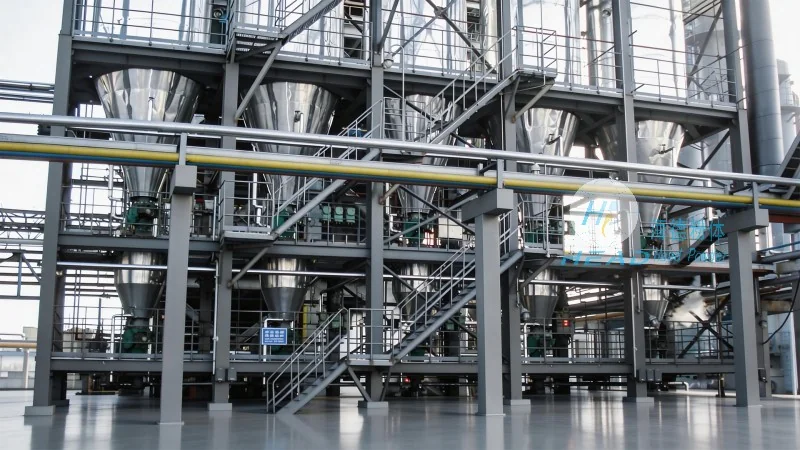
Shandong HeadPowder Engineering Co., Ltd., a leading provider of pneumatic conveying solutions, has successfully implemented dust control measures in numerous polyurethane processing facilities. One notable case involved a client in China who experienced frequent dust leakage during the transport of fine polyurethane powders. By redesigning the system with improved sealing, using specialized valves, and implementing a regular maintenance program, the client achieved a 90% reduction in dust leakage within six months. This success highlights the effectiveness of a holistic approach to dust control, combining advanced technology with proactive maintenance.
Conclusion and Recommendations
Preventing dust leakage in pneumatic conveying systems for polyurethane requires a combination of thoughtful design, advanced sealing technologies, and diligent maintenance. Shandong HeadPowder Engineering Co., Ltd. demonstrates expertise in addressing these challenges through tailored solutions that prioritize system integrity and operational efficiency. By adopting these best practices, companies can ensure safe and reliable polyurethane transport while minimizing environmental and health risks. For more information on pneumatic conveying systems and dust control solutions, contact Shandong HeadPowder Engineering Co., Ltd. located in China.




