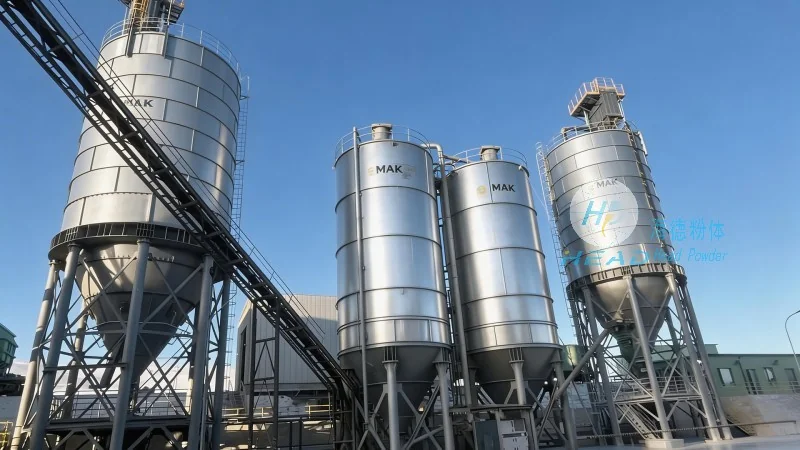
Shandong HeadPowder Engineering Co., Ltd., commonly known as HeadPowder, specializes in engineering solutions for bulk material handling, with a particular focus on the efficient and reliable transport of silica fume powder. Silica fume, a byproduct of silicon metal production, is a fine, highly reactive powder widely used in concrete and other construction materials. Its handling requires specialized equipment and techniques to ensure safety, efficiency, and product integrity. Pneumatic conveying technology has emerged as a leading solution for transporting silica fume due to its ability to handle fine powders with minimal degradation and low maintenance requirements.
The Unique Challenges of Silica Fume Powder Handling
Silica fume powder presents several challenges when it comes to conventional material handling methods. Its fine particle size (typically 0.1 to 1 micron) makes it prone to dust generation and caking, which can lead to blockages in pipelines and equipment. Additionally, silica fume is highly abrasive, which can cause wear and tear on traditional conveyor systems. Traditional methods like belt conveyors or screw conveyors are often unsuitable due to the risk of material degradation and equipment damage. Pneumatic conveying, by contrast, uses air to transport the powder in a sealed system, reducing exposure to the environment and minimizing the risk of contamination or loss.
Key Components of Pneumatic Conveying Systems for Silica Fume
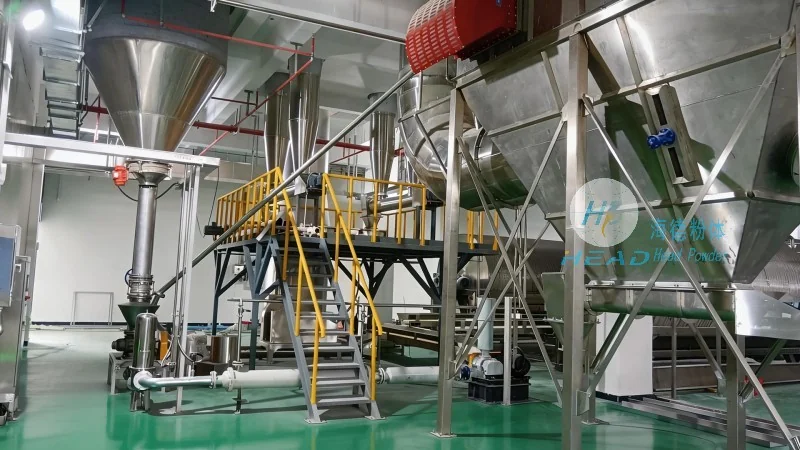
A typical pneumatic conveying system for silica fume powder includes several critical components designed to ensure optimal performance. The system starts with a feeding hopper, which stores the silica fume and provides a consistent feed to the conveyor. A rotary valve or feeder is used to control the flow rate of the powder into the pipeline. The pipeline itself is usually made of stainless steel or other corrosion-resistant materials to withstand the abrasive nature of silica fume. A blower or air compressor provides the necessary air pressure to move the powder through the system. The system may also include a filter or cyclone to separate the powder from the air at the discharge end, ensuring that the powder is collected efficiently and the air is cleaned before release.
Design Considerations for Optimizing Silica Fume Conveying
Optimizing the design of a pneumatic conveying system for silica fume powder involves several key considerations. First, the system must be designed to handle the specific particle size distribution and flow properties of silica fume. This includes selecting the appropriate air velocity and pressure to prevent particle segregation or blockages. The system layout is also critical, as the length and configuration of the pipeline can significantly impact the efficiency of the conveying process. For long-distance transport, a positive displacement system may be more effective than a pressure system, as it provides consistent pressure and flow. Additionally, the system must be equipped with proper maintenance and monitoring tools to ensure that it operates at peak efficiency and to detect any issues early.
Case Study: HeadPowder's Pneumatic Conveying Solutions
HeadPowder has extensive experience in designing and implementing pneumatic conveying systems for silica fume powder. One of their recent projects involved a large-scale concrete production facility in Shandong, China. The client required a system to transport silica fume from storage silos to the mixing plant over a distance of 200 meters. HeadPowder designed a positive displacement system with a stainless steel pipeline and a high-efficiency blower. The system was optimized to maintain an air velocity of 20 m/s, which ensured that the silica fume powder was transported efficiently without any blockages or degradation. The system also included a cyclone separator at the discharge end, which collected the powder with high efficiency and reduced dust emissions. The client reported a significant improvement in production efficiency and a reduction in maintenance costs after the system was installed.
Benefits of Using Pneumatic Conveying for Silica Fume
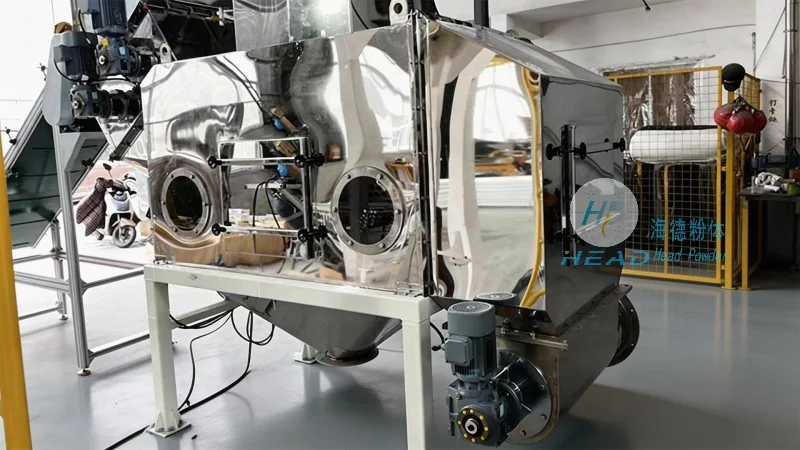
Implementing pneumatic conveying technology for silica fume powder offers several benefits. First, it provides a safe and reliable method of transporting fine powders, reducing the risk of dust explosions and material loss. The sealed system also minimizes exposure to the environment, ensuring that the powder remains clean and free from contamination. Additionally, pneumatic conveying systems are more energy-efficient than traditional methods, as they use less power to transport the same amount of material. The system also reduces labor costs, as it requires less manual handling and maintenance. Finally, the system is highly adaptable, allowing for easy modifications to accommodate changes in production volume or process requirements.
Future Trends in Silica Fume Conveying Technology
As the demand for silica fume in the construction industry continues to grow, the technology used to transport it is also evolving. HeadPowder is at the forefront of these developments, investing in research and development to improve the efficiency and reliability of pneumatic conveying systems. One of the key trends is the use of advanced materials and components, such as high-strength stainless steel and wear-resistant coatings, to extend the life of the system and reduce maintenance costs. Another trend is the integration of automation and control systems, which allow for real-time monitoring and adjustment of the conveying process. This helps to optimize performance and reduce downtime. Additionally, there is a growing focus on sustainability, with companies like HeadPowder developing systems that minimize energy consumption and reduce environmental impact.




