Operation Process and Working Principle of Low-Pressure Continuous Powder Handling Equipment
Release time:2026-09-20 20:01:38
name of the company:Shandong Headpowder Engineering Co., Ltd.
telephone:156-6277-7102
contacts:Zhang manager
Low-pressure continuous powder handling systems are essential in various industrial applications, offering efficient and reliable methods for transporting bulk powders. This article provides a detailed overview of the operation process and working principles of such systems, highlighting their key components and how they function to ensure smooth material transfer.
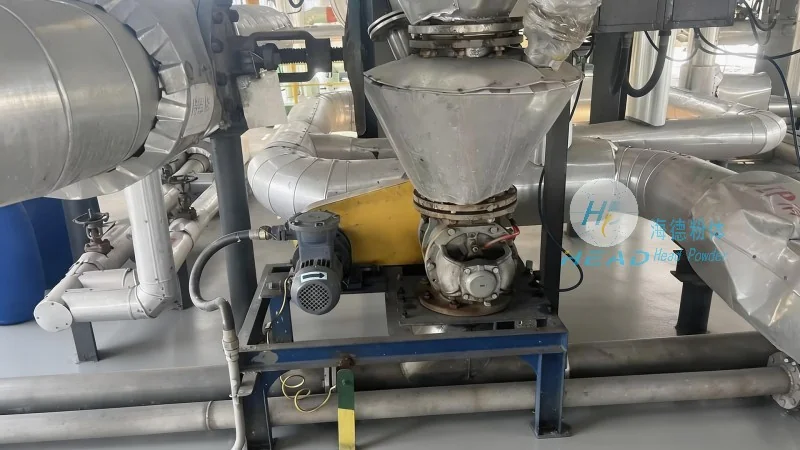
Overview of Low-Pressure Continuous Powder Handling Systems
Low-pressure continuous powder handling systems are designed to transport bulk powders in a controlled and continuous manner. These systems are widely used in industries such as pharmaceuticals, food processing, chemicals, and mining, where the handling of powders requires precision and minimal product degradation. The primary goal of these systems is to move powders from a source to a destination without interruption, maintaining consistent flow rates and preventing material loss or contamination.
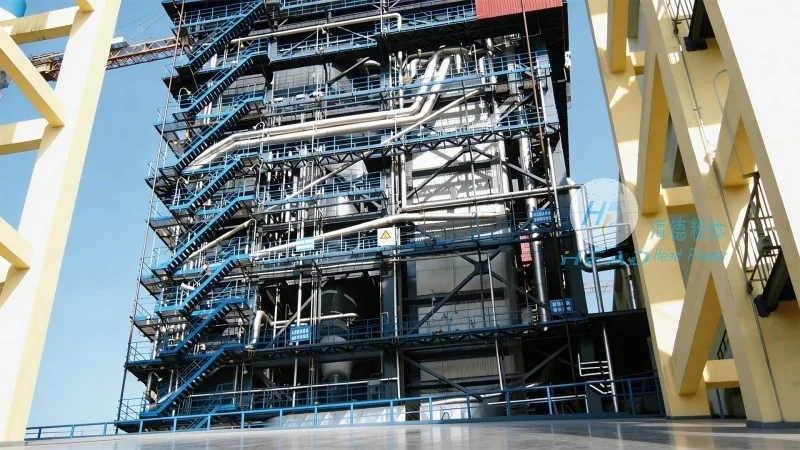
Key Components and Their Functions
The operation of low-pressure continuous powder handling systems relies on several critical components that work in tandem to achieve efficient powder transport. The main components include a hopper or feeder, a conveyor system (often a screw or pneumatic conveyor), a control unit, and a discharge mechanism. Each component plays a vital role in the overall process:
- Hopper or Feeder: The hopper is the storage container where the powder is initially held. It is designed to feed the powder into the conveyor system at a controlled rate. The feeder may be a rotary valve or a vibratory feeder, which regulates the flow of powder based on the system's requirements.
- Conveyor System: The conveyor is the core of the powder handling system, responsible for moving the powder from the hopper to the discharge point. In low-pressure systems, a screw conveyor or a pneumatic conveyor is commonly used. A screw conveyor uses rotating screws to push the powder forward, while a pneumatic conveyor utilizes air pressure to transport the powder through a pipeline.
- Control Unit: The control unit monitors and regulates the operation of the system. It adjusts the speed of the conveyor, the flow rate from the feeder, and other parameters to maintain consistent performance. Modern control units often include sensors that detect the level of powder in the hopper and adjust the feeding rate accordingly.
- Discharge Mechanism: The discharge mechanism is where the powder is released from the system. It may be a rotary valve or a gate that controls the flow of powder to the next stage of processing or storage. The discharge point is designed to minimize dust and ensure a clean, controlled release of the material.
Operation Process of Low-Pressure Continuous Powder Handling Systems
The operation process of a low-pressure continuous powder handling system typically involves the following steps:
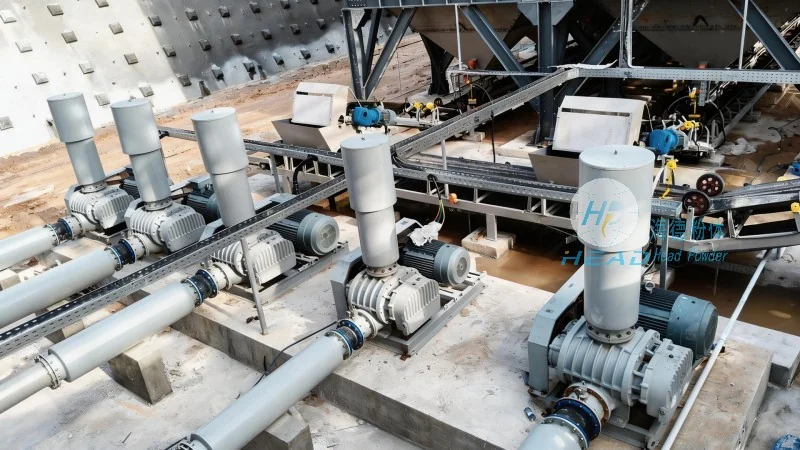
- Powder Loading: The bulk powder is loaded into the hopper. The hopper is usually equipped with a lid to prevent dust and contamination from entering the system.
- Feeding Control: The feeder (rotary valve or vibratory feeder) starts operating, feeding the powder into the conveyor at a controlled rate. The control unit adjusts the feeding rate based on the system's requirements and the level of powder in the hopper.
- Powder Transport: The conveyor system (screw or pneumatic) moves the powder forward. In a screw conveyor, the rotating screws push the powder along the conveyor's length. In a pneumatic conveyor, air pressure forces the powder through the pipeline, ensuring a continuous flow.
- Discharge: The powder reaches the discharge point, where it is released into the next processing stage or storage container. The discharge mechanism controls the flow rate and ensures a smooth, uninterrupted release.
- Monitoring and Adjustment: The control unit continuously monitors the system's performance, including flow rates, pressure, and powder levels. If any parameter deviates from the set point, the control unit adjusts the operation to maintain optimal performance.
Working Principles of Low-Pressure Continuous Powder Handling Systems
The working principles of low-pressure continuous powder handling systems are based on the principles of fluidization and pneumatic transport. In low-pressure systems, the powder is not fully suspended in the air but is transported in a semi-fluid state, where the air pressure is sufficient to move the powder but not enough to fully suspend it. This approach reduces energy consumption compared to high-pressure systems while maintaining efficient transport.




