HeadPowder, a leading provider of material handling solutions, specializes in air-pneumatic conveying systems designed for efficient transport of bulk materials like stone and aggregates. In this article, we explore effective strategies to prevent pipeline blockages in such systems and highlight the critical design parameters that ensure smooth operation and reliability.
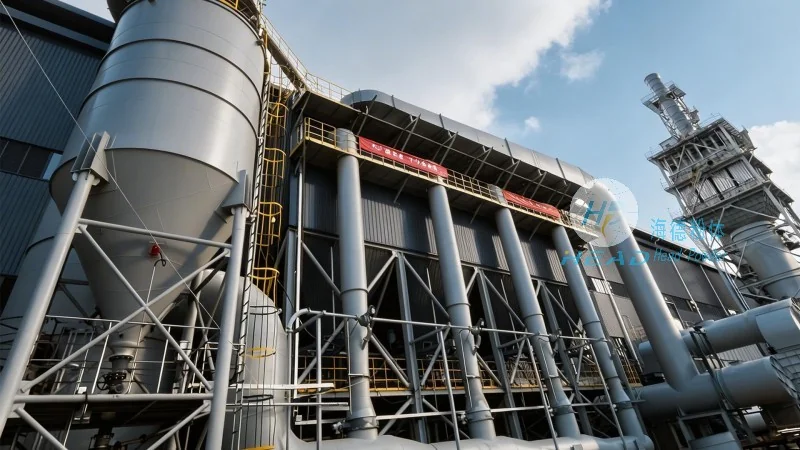
Understanding the Challenges of Stone and Aggregate Conveying
Transporting stone and other aggregates via air-pneumatic systems presents unique challenges, particularly the risk of pipeline blockages. These blockages can result from the physical properties of the material, such as high density, irregular shapes, and abrasive characteristics, which can cause particles to adhere to the pipe walls or accumulate in low-flow areas. Additionally, improper system design or operation can exacerbate these issues, leading to downtime, increased maintenance costs, and reduced productivity.
Key Design Parameters for Preventing Blockages
Proper design of an air-pneumatic conveying system is essential to mitigate the risk of blockages. Several key parameters must be carefully considered and optimized to ensure efficient material transport. These include:
1. Pipe Diameter and Material
The diameter of the conveying pipe is a fundamental factor affecting flow and pressure drop. Larger diameters reduce friction losses and the likelihood of particle accumulation, while smaller diameters may increase the risk of blockages, especially with larger or denser particles. Stainless steel or corrosion-resistant materials are often preferred for conveying abrasive stone and aggregate to prevent wear and maintain smooth surfaces that minimize particle adhesion.
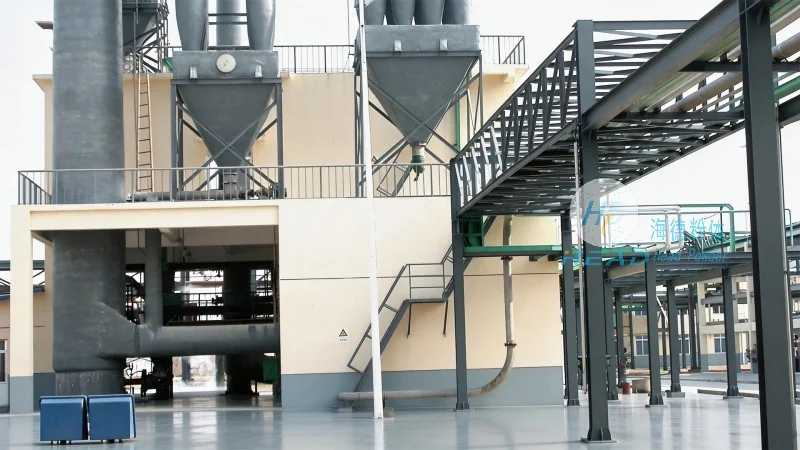
2. Conveying Velocity and Airflow Rate
Optimizing the velocity of the conveying air is crucial. The air velocity must be high enough to keep the material suspended and prevent settling but not excessively high, which could cause excessive pressure drop and energy consumption. The airflow rate is typically calculated based on the material's bulk density, particle size distribution, and the required conveying distance. A balanced velocity ensures that particles remain in suspension without causing turbulence that leads to blockages.
3. Material Characteristics and Feed Rate
The physical properties of the stone or aggregate, including particle size, shape, and moisture content, significantly impact system performance. Coarser or irregularly shaped particles may require higher air velocities to maintain suspension. The feed rate must be controlled to match the system's capacity, preventing overloading that can lead to blockages. Proper feed equipment, such as rotary valves or feeders, is essential to ensure a consistent and controlled material flow.
4. System Configuration and Layout
The overall layout of the conveying system, including the number of bends, vertical and horizontal runs, and the placement of components like cyclones or filters, affects flow dynamics. Excessive bends or changes in direction can cause particles to settle or accumulate, especially if the air velocity is insufficient. A well-designed layout minimizes pressure losses and ensures that the material is continuously suspended throughout the system.
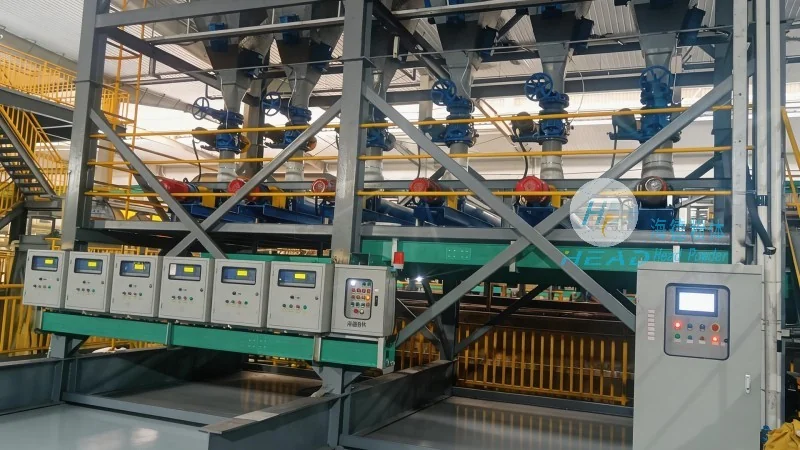
5. Pressure and Vacuum Levels
For pneumatic conveying systems, maintaining appropriate pressure or vacuum levels is critical. High pressure systems are suitable for short to medium distances and can handle larger particles, while vacuum systems are better for longer distances or when material needs to be drawn from multiple sources. The pressure or vacuum level must be sufficient to overcome friction losses and keep the material in suspension without causing excessive wear on components.
6. Cleaning and Maintenance Procedures
Even with optimal design, regular cleaning and maintenance are necessary to prevent long-term blockages. This includes periodic inspection of pipe interiors, removal of accumulated debris, and replacement of worn components. Implementing a preventive maintenance schedule ensures that the system operates efficiently and reduces the risk of unexpected blockages.
Conclusion
Preventing pipeline blockages in air-pneumatic conveying systems for stone and aggregate transport requires a comprehensive approach that considers multiple design parameters. By optimizing pipe diameter, airflow velocity, material characteristics, system layout, and maintenance practices, operators can significantly reduce downtime and improve the reliability of their material handling operations. HeadPowder provides expert engineering and customized solutions tailored to these requirements, ensuring efficient and safe transport of bulk materials.




