When it comes to transporting Polypropylene (PP) using pneumatic conveying systems, preventing pipeline blockages is a critical concern for industrial operations. PP, a widely used thermoplastic polymer, can present unique challenges during air-based transport due to its physical properties such as particle size, moisture content, and flow characteristics. Blockages not only disrupt production processes but also lead to increased maintenance costs and downtime. Therefore, understanding and implementing the right design parameters in pneumatic conveying systems is essential to ensure smooth and efficient PP handling.
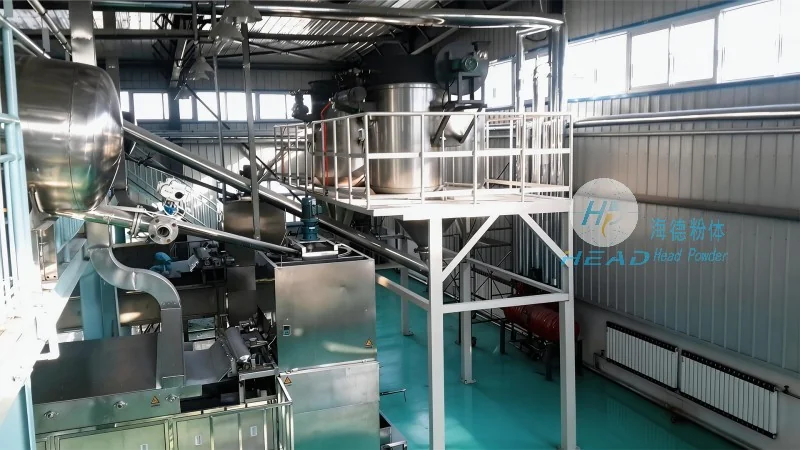
Understanding the Challenges of PP Conveying
Polypropylene particles often exhibit cohesive behavior, especially when exposed to moisture or at elevated temperatures. This cohesion can cause particles to stick together or adhere to the inner walls of the conveying pipeline, leading to blockages. Additionally, the density and specific gravity of PP compared to air create a specific dynamic where the air velocity and pressure must be carefully managed to maintain a stable, fluidized state of the material. Inadequate air flow rates or excessive particle concentration can both contribute to the formation of agglomerates that obstruct the pipeline.
Key Design Parameters for Preventing Blockages in PP Pneumatic Conveying
Several critical design parameters must be considered when designing a pneumatic conveying system for PP to minimize the risk of blockages. These parameters are interrelated and require careful optimization based on the specific characteristics of the PP material and the operational requirements of the plant.
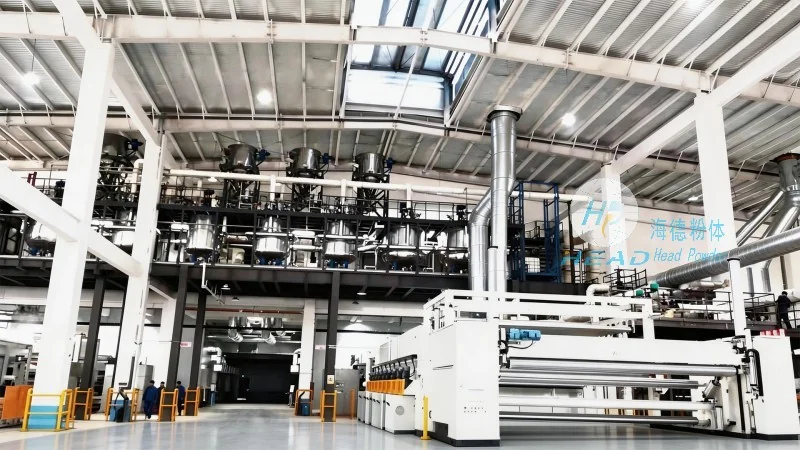
1. System Pressure and Air Velocity
The pressure and resulting air velocity within the conveying system are fundamental to maintaining the material in a suspended state. For PP, a higher air velocity is generally required compared to other bulk materials due to its lower density and tendency to agglomerate. However, excessive air velocity can lead to increased energy consumption and potential wear on system components. The optimal pressure range for PP conveying typically falls between 0.5 to 1.5 bar, with air velocities ranging from 20 to 30 m/s, depending on the particle size distribution and moisture content. Properly sizing the blower or compressor to deliver the required pressure and flow rate is crucial to prevent under- or over-pressurization, which are both risk factors for blockages.
2. Pipeline Diameter and Length
The diameter of the conveying pipeline and the total length of the system significantly impact the risk of blockages. Smaller diameter pipes increase the air velocity needed to keep particles suspended, which can lead to higher energy costs and potential erosion. Conversely, excessively large pipes may reduce the air velocity to a level where particles settle and cause blockages. The ideal pipeline diameter for PP conveying is usually determined by the particle size; for example, a 100 mm diameter pipe is common for conveying PP particles with a maximum size of 5 mm, while larger particles may require a 150 mm or even 200 mm diameter pipe. The total length of the pipeline should also be considered, as longer runs increase the likelihood of pressure drop and material accumulation, necessitating additional booster sections or pressure relief valves.
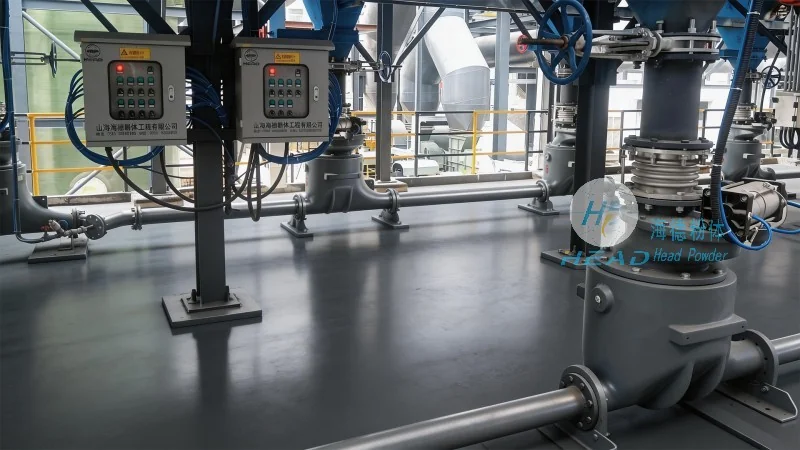
3. Gas-Solid Ratio (GSR)
The gas-solid ratio, which is the ratio of the volume of air to the volume of material being conveyed, is a critical parameter that directly influences the risk of blockages. A higher GSR (more air per unit of material) helps maintain a dilute phase flow, reducing the chance of particle agglomeration and pipeline obstruction. For PP, an optimal GSR typically ranges from 10:1 to 20:1, depending on the material's moisture content and particle size. This ratio ensures that the material remains suspended in the air stream and does not settle out, which would otherwise lead to blockages. Calculating the correct GSR involves considering the material's bulk density, particle size distribution, and the desired conveying velocity.
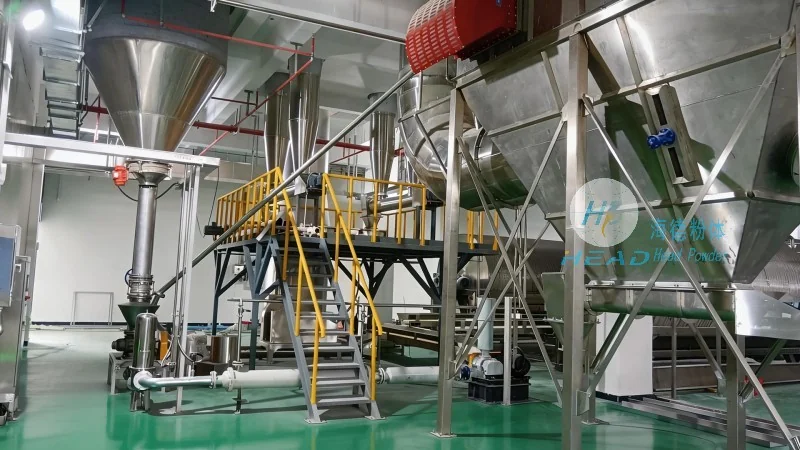
4. Material Feed Rate and Consistency
The feed rate of PP into the conveying system and the consistency of the feed material are important factors in preventing blockages. Inconsistent feed rates can cause fluctuations in the air flow and material concentration, leading to unstable conveying conditions. A controlled feed system, such as a screw feeder or a rotary valve, can help maintain a steady flow rate, ensuring that the material is introduced at a consistent rate into the air stream. Additionally, ensuring that the PP material is free from excessive moisture or contaminants can reduce the likelihood of agglomeration, as moisture can cause particles to stick together and adhere to the pipeline walls.
5. System Piping and Fittings
The design and condition of the pipeline and fittings also play a role in preventing blockages. Smooth, unobstructed piping with minimal bends and changes in diameter helps maintain consistent air flow and reduces the risk of material accumulation in low-velocity areas. Using appropriate fittings, such as elbows with a large radius and smooth transitions, can minimize turbulence and pressure losses that could lead to particle settling. Regular inspection and maintenance of the piping system, including cleaning and checking for wear or corrosion, are essential to prevent the buildup of material on the inner walls, which can eventually cause blockages.




