What is High-Pressure Dilute Phase Powder Conveying? And What Are Its Design Principles?
Release time:2026-09-14 13:00:45
name of the company:Shandong Headpowder Engineering Co., Ltd.
telephone:156-6277-7102
contacts:Zhang manager
High-pressure dilute phase powder conveying is a specialized method for transporting bulk powders over long distances with high efficiency and minimal energy consumption. This technology involves using compressed air to create a dilute suspension of powder particles in a gas stream, enabling the material to be moved through pipelines. The design principles of such systems are critical for ensuring reliable operation, optimal performance, and cost-effectiveness in industrial applications.
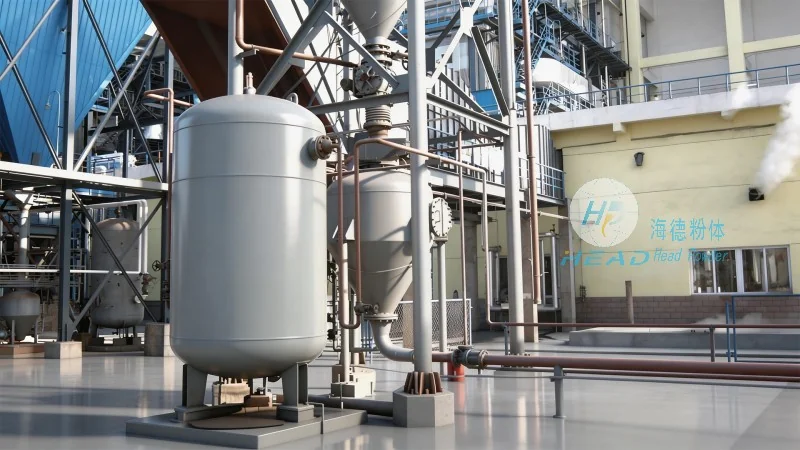
About Shandong HeadPowder Engineering Co., Ltd.
Shandong HeadPowder Engineering Co., Ltd., commonly known as headpowder, is a leading manufacturer and supplier of powder handling equipment. With a strong focus on innovation and quality, the company specializes in the design, development, and implementation of high-pressure dilute phase powder conveying systems. HeadPowder's expertise lies in understanding the unique characteristics of various powders and tailoring solutions to meet specific industrial needs. The company is headquartered in Shandong, China, where it operates a state-of-the-art manufacturing facility and research center.
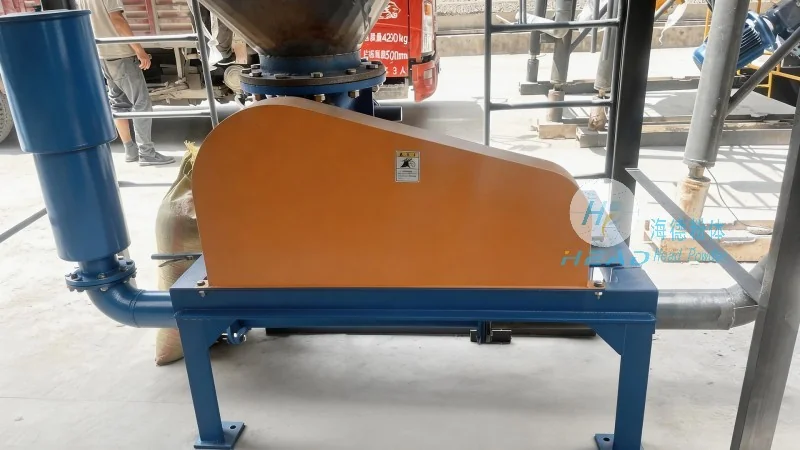
Key Components of High-Pressure Dilute Phase Conveying Systems
The core components of a high-pressure dilute phase powder conveying system include the following elements, each playing a crucial role in the overall operation:
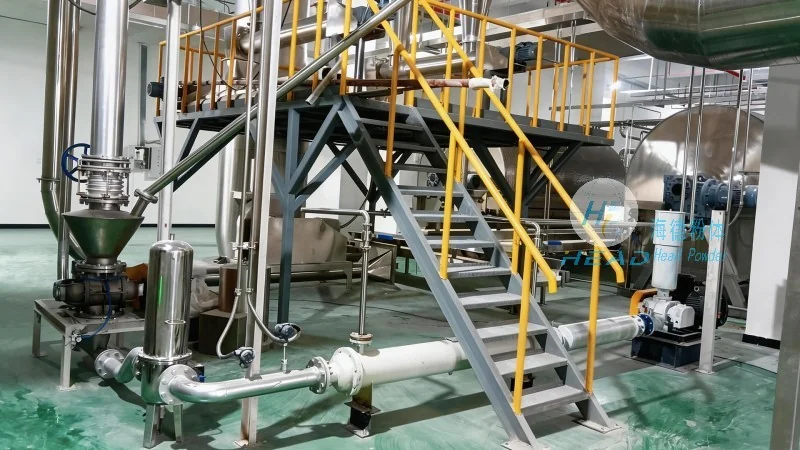
- Pneumatic Pump: This is the primary driver of the system, responsible for generating the high-pressure air or gas required to transport the powder. The pump can be either a positive displacement type or a rotary lobe pump, depending on the specific requirements of the application.
- Pipeline Network: The conveying lines are typically made of materials such as stainless steel, aluminum, or plastic, selected based on the chemical compatibility of the powder and the operating conditions. The pipeline design must consider factors like pressure ratings, flow rates, and the need for smooth transitions to minimize particle attrition.
- Air-Solid Separation Equipment: At the receiving end, a separator is used to separate the powder from the air stream. Common types include cyclones, bag filters, or electrostatic precipitators, which ensure that the powder is deposited accurately and the air is cleaned before release.
- Control System: An advanced control system monitors and regulates the pressure, flow rate, and other parameters to maintain optimal operation. This system may include sensors for pressure, temperature, and flow, as well as automated controls to adjust the pump speed or air supply as needed.
Design Principles and Considerations
The design of a high-pressure dilute phase powder conveying system is a complex process that requires careful consideration of several factors to ensure reliable and efficient performance. Key design principles include:
- Powder Characterization: Understanding the physical and chemical properties of the powder, such as particle size distribution, density, moisture content, and flowability, is essential. These characteristics determine the appropriate pump type, air pressure, and pipeline diameter to achieve the desired conveying velocity.
- Conveying Velocity and Pressure: The velocity of the powder in the pipeline is typically maintained at a level that prevents particle deposition and ensures a stable suspension. The required pressure is calculated based on the length of the pipeline, elevation changes, and friction losses in the system.
- System Sizing and Layout: The system layout must be optimized to minimize pressure drops and energy consumption. This involves selecting the appropriate pipe diameter, length, and number of bends, as well as incorporating appropriate expansion joints and supports to accommodate thermal and mechanical stresses.
- Material Compatibility: The selection of materials for the pump, pipeline, and other components must be compatible with the powder being conveyed. For example, corrosive powders may require stainless steel or special coatings to prevent degradation.
Advantages of High-Pressure Dilute Phase Conveying
Compared to other powder handling methods, high-pressure dilute phase conveying offers several advantages that make it a preferred choice in many industries:
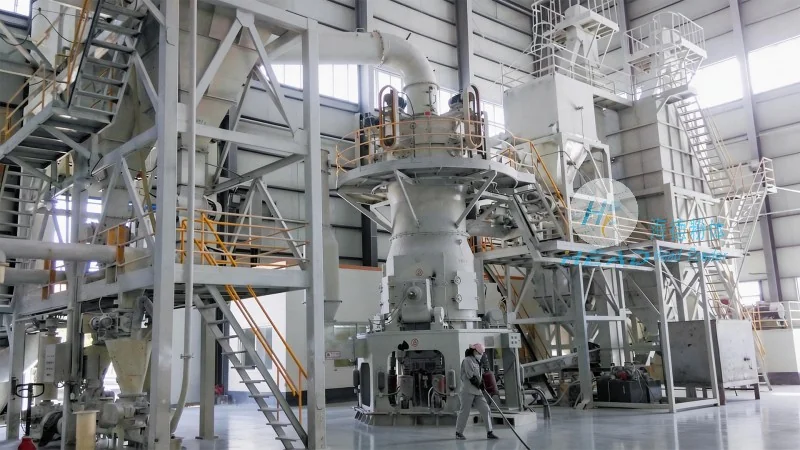
- High Efficiency and Low Energy Consumption: By maintaining a dilute suspension, the system minimizes the energy required to move the powder, resulting in lower operational costs.
- Long Distance and High Capacity: The technology can transport powders over long distances (up to several kilometers) with high capacity, making it suitable for large-scale industrial operations.
- Reduced Particle Attrition: The dilute phase operation reduces the impact and friction between particles, minimizing the generation of fine particles and preserving the quality of the material.
- Flexibility and Scalability: The system can be easily scaled to accommodate varying production rates and can be integrated with other processing equipment, providing flexibility in plant design.
Applications and Industries
High-pressure dilute phase powder conveying is widely used in various industries, including:




