HeadPowder, a leading engineering firm based in Shandong, China, specializes in advanced material handling solutions. The company's expertise lies in developing efficient and reliable gas-pneumatic conveying systems, particularly for transporting silica and similar fine powders over extended distances. This article explores the capabilities and benefits of silica gas-pneumatic conveying, highlighting how it addresses the challenges of traditional material transport methods.
Introduction to Silica Gas-Pneumatic Conveying
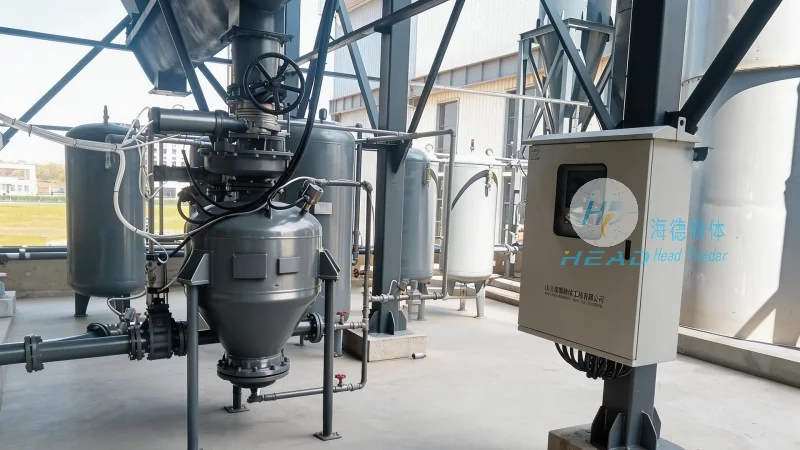
Silica, commonly known as quartz or silica sand, is a widely used industrial material in sectors such as construction, glass manufacturing, and chemical processing. Conveying silica efficiently, especially over long distances, has historically posed significant challenges due to its fine particle size and tendency to create dust and blockages in traditional systems. Gas-pneumatic conveying offers a solution by utilizing air pressure to transport dry powders through a pipeline network, eliminating the need for mechanical components like belts or buckets that often fail with fine powders.
HeadPowder's Engineering Approach
Shandong HeadPowder Engineering Co., Ltd., headquartered in Shandong, China, has built a strong reputation for delivering customized gas-pneumatic conveying systems tailored to the unique needs of silica handling applications. The company leverages decades of experience in fluidization technology, material science, and process engineering to design systems that ensure consistent flow, minimal product degradation, and optimal energy efficiency. Each system is engineered to meet specific operational parameters, including the required conveying distance, material characteristics, and environmental standards.
Key Features of Silica Gas-Pneumatic Conveying Systems
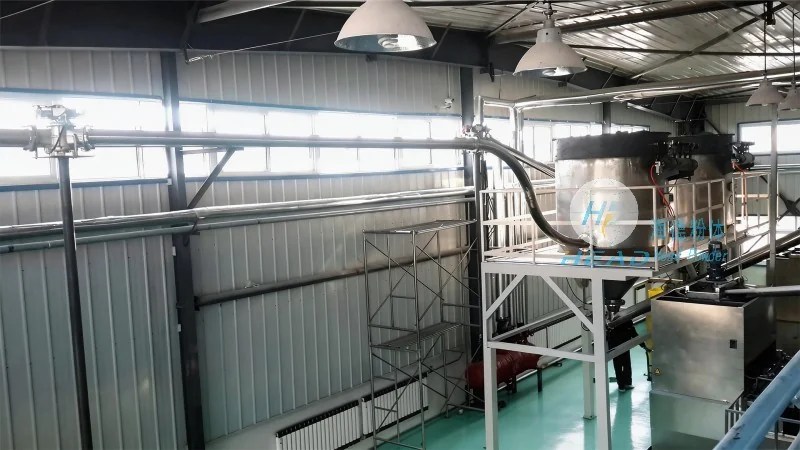
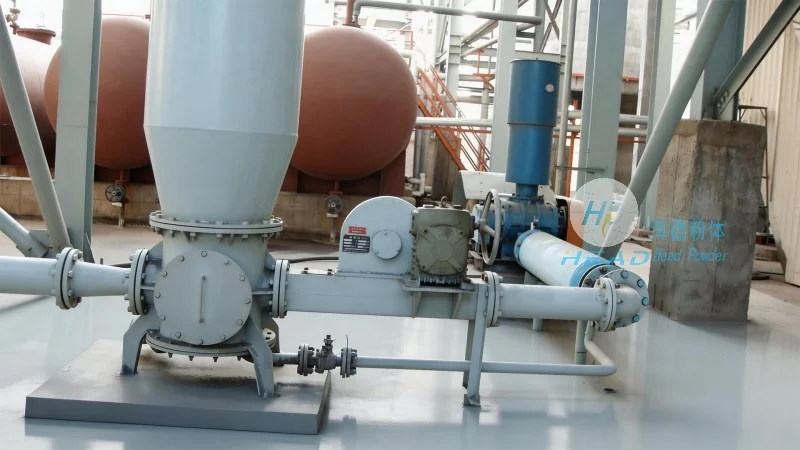
The core of HeadPowder's silica gas-pneumatic conveying solutions is a combination of advanced components and intelligent control systems. These systems typically include a feed hopper, a rotary airlock valve for controlled material discharge, a pipeline network with appropriate diameter and material, and a receiver or destination silo. The air system, which may consist of a blower or compressor, generates the necessary pressure to move the silica particles through the pipeline. Key features include:
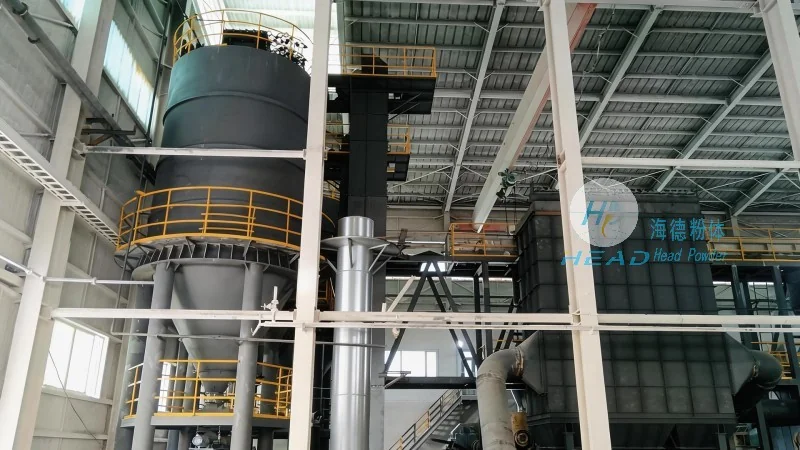
- High Efficiency and Low Maintenance: By eliminating moving parts in the conveying line, the system reduces wear and tear, leading to lower maintenance costs and longer operational life.
- Minimal Product Contamination: The enclosed pipeline design prevents dust exposure and cross-contamination, maintaining the purity of the silica product.
- Scalability and Flexibility: Systems can be easily expanded or reconfigured to accommodate changes in production volume or process requirements.
- Energy Efficiency: Advanced blower technology and optimized air flow rates minimize energy consumption while ensuring reliable conveying performance.
Overcoming Distance Limitations
One of the primary advantages of gas-pneumatic conveying is its ability to transport materials over long distances without significant loss of efficiency. Unlike belt conveyors or bucket elevators, which have practical limits on length due to mechanical constraints, pneumatic systems can convey silica over several kilometers with consistent performance. HeadPowder's engineering team designs systems with appropriate air pressure and pipeline diameter to ensure that the silica particles maintain sufficient velocity to avoid settling or blockages, even over extended routes.
Application Examples
Silica gas-pneumatic conveying is widely applied in various industrial settings. For instance, in glass manufacturing plants, silica sand is conveyed from storage silos to the furnace over long distances, ensuring a steady supply of raw material. In construction material production, the system transports silica for concrete and mortar production, maintaining quality and reducing handling time. Additionally, in chemical processing facilities, the technology is used to move silica-based additives or catalysts to processing units, where precise dosing is critical.
Conclusion
HeadPowder Engineering Co., Ltd. provides comprehensive solutions for silica gas-pneumatic conveying, enabling industries to overcome distance limitations and improve material handling efficiency. By combining advanced engineering, reliable components, and customer-focused design, the company delivers systems that enhance productivity, reduce operational costs, and ensure the quality of silica products. For businesses seeking to optimize their silica transport processes, HeadPowder's expertise in gas-pneumatic conveying offers a proven and effective solution.




