Carbon black is a vital industrial material extensively utilized in sectors like rubber, plastics, and pigments. The efficient handling and transportation of carbon black are pivotal for industrial processes, with pneumatic conveying systems emerging as a preferred method due to their advantages in safety, hygiene, and flexibility. This article provides an overview of the working principles and classification applications of carbon black pneumatic conveying systems, focusing on technical aspects and practical implementations.
Understanding Carbon Black Pneumatic Conveying: Core Principles
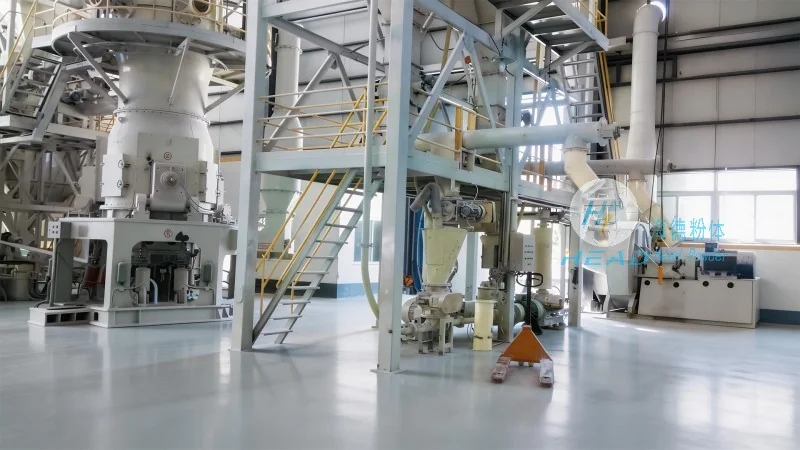
Carbon black pneumatic conveying involves transporting carbon black particles through a pipeline using a gas stream, typically air or a combination of air and other gases. The fundamental principle is based on creating a pressure differential that propels the material through the system. The process can be categorized into two main types: pressure and vacuum systems, each with distinct operational characteristics and applications.
In pressure systems, a positive pressure is maintained throughout the conveying line, with the material being pushed from the source to the destination. This method is suitable for long-distance and high-capacity transport, as it can handle larger particles and higher flow rates. The system typically includes a blower or compressor at the inlet, a hopper for material storage, and a receiver at the discharge end. The pressure differential ensures continuous movement of carbon black particles through the pipeline, minimizing blockages and ensuring consistent flow.
Vacuum systems, conversely, operate by creating a negative pressure at the receiver end, drawing the material from the source. This approach is ideal for applications requiring gentle handling of the material, such as when dealing with fine or sensitive carbon black grades. The vacuum system often includes a vacuum pump at the receiver, a hopper with a rotary valve, and a filter to capture escaping particles. The negative pressure pulls carbon black particles into the pipeline, ensuring smooth and controlled flow. Both systems rely on fluidization, where the gas stream creates a fluid-like environment for particles, allowing free movement through the conveying line.
Classification of Carbon Black Pneumatic Conveying Systems
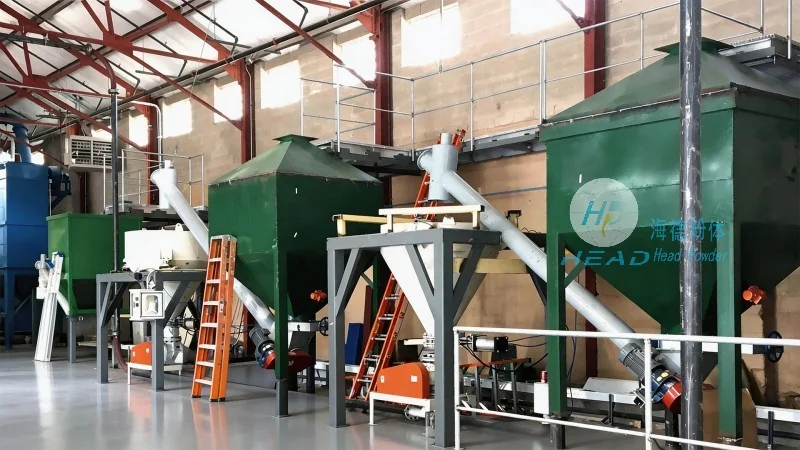
Carbon black pneumatic conveying systems can be classified based on factors like gas type, conveying method, and application requirements. Primary classifications include dense-phase and dilute-phase systems, each offering advantages in efficiency, energy consumption, and material handling.
Dense-phase pneumatic conveying systems are designed to transport carbon black particles in a high-density, low-velocity state. This method is effective for handling fine particles and preventing dust generation. The system injects a small amount of gas at high pressure, creating a dense mixture of carbon black and gas. Low velocity reduces particle degradation risk and ensures gentle handling. Dense-phase systems are commonly used in rubber compound production or pigmented plastics, where consistent delivery to a specific location is needed.
Dilute-phase pneumatic conveying systems, in contrast, transport particles in a low-density, high-velocity state. Suitable for high flow rates and long-distance transport, this approach injects a large amount of gas at lower pressure, forming a dilute mixture. High velocity enables rapid material movement through the pipeline, ideal for bulk handling. Dilute-phase systems are often used in industrial settings, transporting carbon black from storage to processing plants, as they handle larger volumes with less energy compared to dense-phase systems.
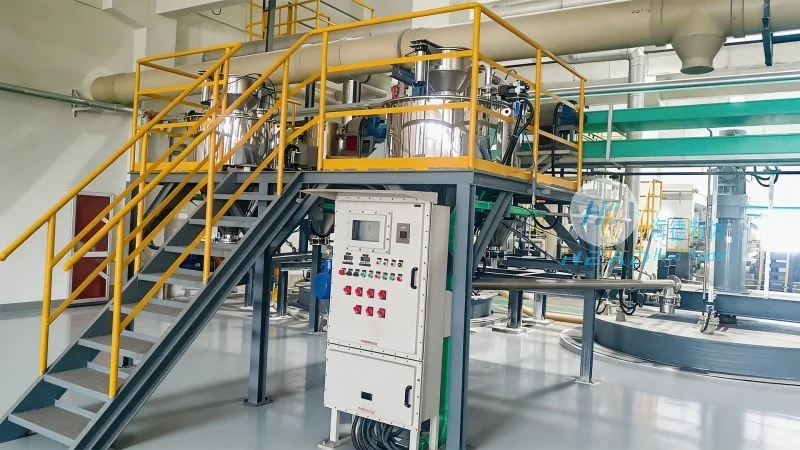
Another classification is based on flow direction, with horizontal and vertical systems. Horizontal systems are used for short to medium distances, typically in straight lines or slight inclines. Vertical systems are designed for vertical transport, often when source and destination are at different elevations. Vertical conveying systems require additional considerations, such as preventing particle segregation and managing pressure differentials, to ensure efficient operation. The choice between horizontal and vertical systems depends on the industrial facility layout and carbon black handling requirements.
Application Examples of Carbon Black Pneumatic Conveying
In the rubber industry, carbon black is used as a reinforcing agent in tire manufacturing. Pneumatic conveying systems transport carbon black from storage silos to mixing plants, ensuring consistent and controlled delivery. This is crucial for maintaining the quality of final tire products. In the plastics industry, carbon black serves as a pigment to enhance color and UV resistance. The system transports carbon black to extrusion or molding equipment, allowing precise control over the amount added. This ensures the final plastic product meets color and performance specifications. The use of pneumatic conveying maintains a clean, dust-free environment, essential for plastic quality. In the pigment industry, carbon black is used as a pigment in coatings and inks. The system transports it from production lines to storage or packaging facilities, handling gently to prevent particle degradation. The classification of the system (dense-phase or dilute-phase) is determined by particle size and handling conditions.
Key Considerations for Carbon Black Pneumatic Conveying Systems
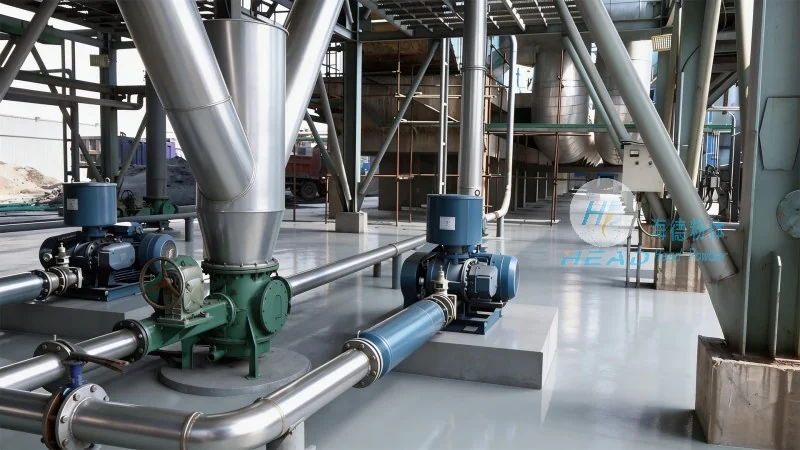
When implementing a carbon black pneumatic conveying system, several key considerations must be addressed for optimal performance and efficiency. The first is selecting the appropriate conveying method based on carbon black characteristics, such as particle size, density, and moisture content. Fine particles may require a dense-phase system to prevent dust, while larger particles suit dilute-phase systems. Moisture content is critical, as high levels can cause caking and blockages.
Another consideration is system component design, including hoppers, rotary valves, and filters. The hopper must prevent material segregation and ensure consistent flow. The rotary valve controls flow rate and prevents backflow, while the filter captures escaped particles, maintaining a clean environment. Gas type and pressure selection significantly impact performance and energy consumption. Different gases and pressures affect conveying efficiency and energy use.
Maintenance and operational considerations are also vital for long-term performance. Regular maintenance of components like blowers, filters, and pipelines prevents breakdowns and ensures consistent operation. Operational parameters, such as flow rate and pressure, must be monitored and adjusted as needed. Advanced control systems can automate operation and improve efficiency. Safety considerations, such as preventing dust explosions and proper carbon black handling, must be addressed to ensure a safe working environment.




