For industrial applications involving zinc processing, the efficient and reliable transport of zinc concentrate is a critical factor in overall operational performance. This article provides an overview of zinc concentrate transport systems, with a focus on the benefits and characteristics of air-driven conveying methods. The information is presented by Shandong HeadPowder Engineering Co., Ltd., a company based in Shandong, China, specializing in engineering solutions for material handling and processing industries.
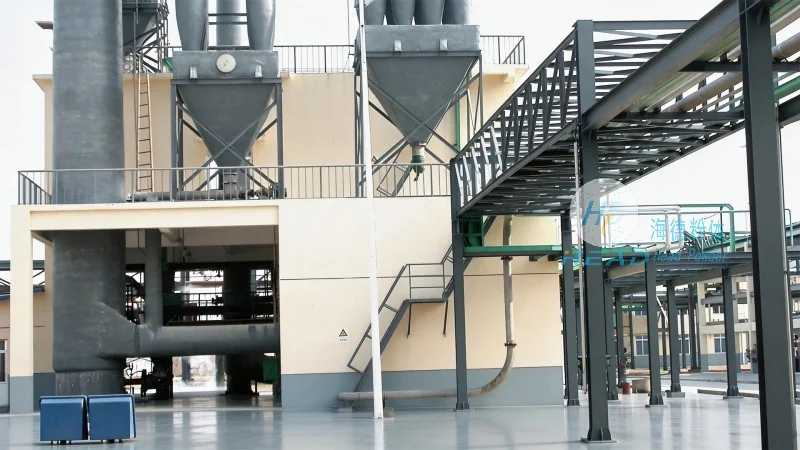
Overview of Zinc Concentrate Transport Systems
Zinc concentrate, a key intermediate product in the zinc smelting process, requires specialized handling due to its physical properties and the need for minimal contamination. Traditional transport methods, such as belt conveyors or mechanical screw conveyors, may face challenges like material degradation, blockages, or the need for extensive maintenance. In response to these challenges, modern industrial facilities increasingly adopt air-driven (pneumatic) conveying systems for transporting zinc concentrate. These systems utilize compressed air to move material through a network of pipes, offering a flexible and efficient solution for various processing stages.
Key Components of Air-Driven Zinc Concentrate Conveying Systems
An air-driven conveying system for zinc concentrate typically consists of several core components that work in tandem to ensure smooth operation. The primary elements include a material feed hopper, which holds the zinc concentrate and regulates the flow into the system; a compressor or air supply unit that generates the necessary pressure to move the material; a series of conveying pipes that transport the concentrate from the feed point to the discharge point; and a receiver or storage tank at the destination. Additionally, the system may incorporate accessories like rotary airlocks, which prevent backflow and maintain pressure, and pulse jets or cleaning mechanisms to keep the pipes free from clogging. Each component is designed to handle the specific characteristics of zinc concentrate, such as its density, moisture content, and potential for dust generation.
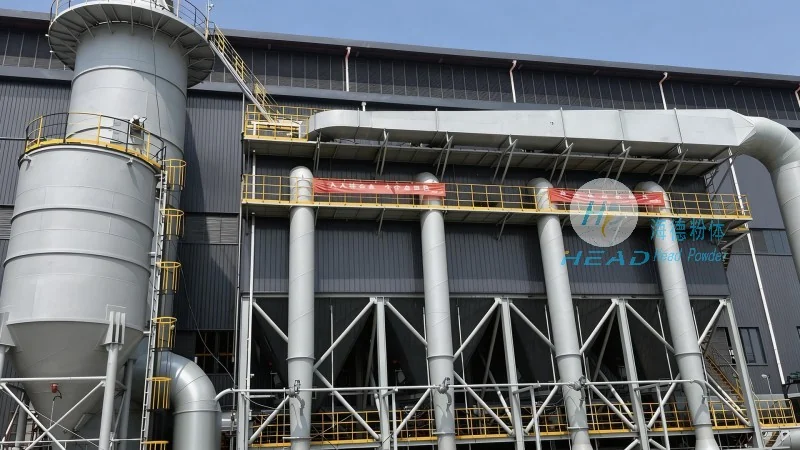
Advantages of Air-Driven Zinc Concentrate Conveying
The adoption of air-driven conveying for zinc concentrate offers numerous advantages that enhance operational efficiency and product quality. One of the most significant benefits is the ability to transport material over long distances without the need for intermediate transfer points, which reduces downtime and maintenance requirements. The system also provides a high degree of flexibility, as the conveying lines can be easily reconfigured or extended to accommodate changes in production schedules or facility layout. Furthermore, air-driven systems minimize material degradation by avoiding direct contact with mechanical parts, which is crucial for maintaining the quality of zinc concentrate before smelting. Another key advantage is the reduced risk of contamination, as the enclosed pipe network prevents exposure to external elements or cross-contamination from other materials. This is particularly important in industries where product purity is paramount.
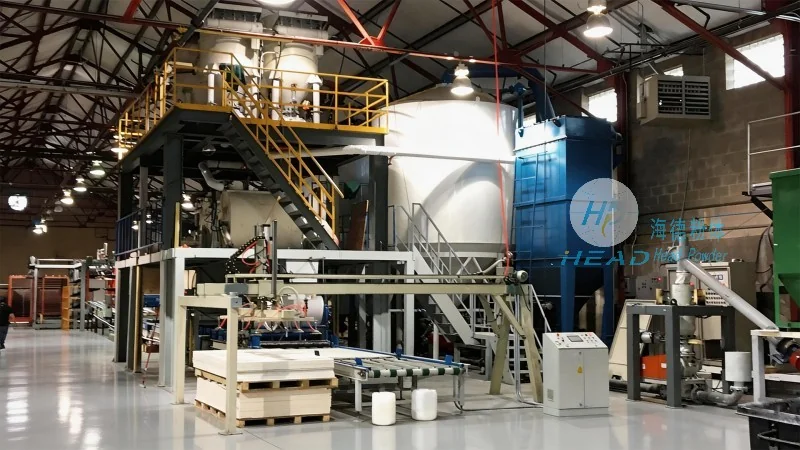
Operational Considerations and Maintenance
While air-driven zinc concentrate conveying systems offer many benefits, proper operation and maintenance are essential to maximize their performance and longevity. Regular monitoring of air pressure and flow rates is critical to ensure consistent material transport. The system should be equipped with pressure sensors and flow meters to detect any deviations that could indicate clogging or blockages. Additionally, routine cleaning of the conveying pipes and components is necessary to prevent the buildup of dust or material residues, which can lead to reduced efficiency or system failure. The rotary airlocks and other moving parts should be lubricated and inspected regularly to prevent wear and tear. Shandong HeadPowder Engineering Co., Ltd. provides comprehensive maintenance services and technical support to help clients optimize their air-driven conveying systems and address any operational challenges that may arise.
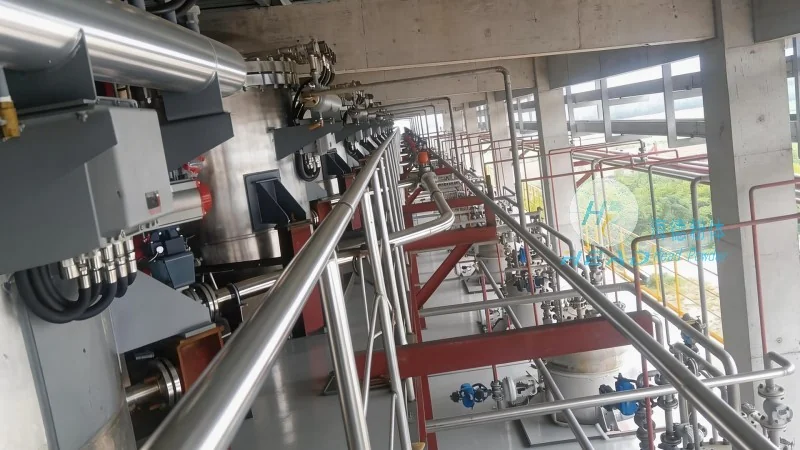
Application Examples in Zinc Processing
Air-driven zinc concentrate conveying systems are widely used in various stages of the zinc processing industry. For example, in the mining and milling operations, the system can transport freshly ground zinc concentrate from the grinding mills to the flotation or classification units. In the smelting plant, the conveying system can move the concentrate from the storage silos to the roasting or sintering furnaces, ensuring a continuous supply of material for the next processing step. The flexibility of the system also makes it suitable for transporting zinc concentrate between different processing lines or for handling bulk material transfers in large-scale industrial facilities. By integrating air-driven conveying into their operations, zinc processing plants can achieve higher throughput, lower operational costs, and improved product quality.
Conclusion
In conclusion, air-driven zinc concentrate conveying systems represent a highly effective solution for the transport of zinc concentrate in industrial applications. The advantages of these systems, including flexibility, minimal material degradation, and reduced contamination risk, make them a preferred choice for modern zinc processing facilities. Shandong HeadPowder Engineering Co., Ltd. specializes in designing and implementing such systems, providing customized solutions tailored to the specific needs of each client. By leveraging the benefits of air-driven conveying, zinc processing plants can enhance their operational efficiency, improve product quality, and maintain a competitive edge in the industry.




