When dealing with sulfur powder in industrial processes, efficient material handling is crucial for maintaining production efficiency and safety. This article explores the principles behind sulfur powder material handling and highlights key application scenarios where specialized equipment and systems are essential.
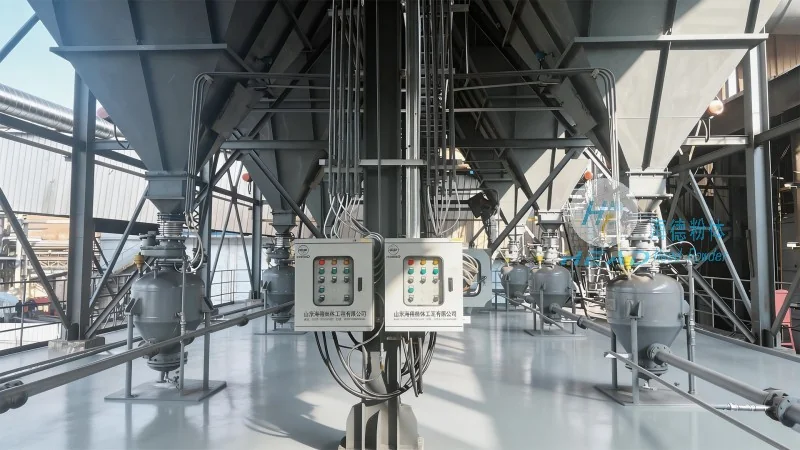
Understanding Sulfur Powder Properties and Handling Challenges
Sulfur powder, a common chemical raw material used in various industries such as chemical manufacturing, pharmaceuticals, and agriculture, presents unique handling challenges due to its fine particle size and chemical properties. Proper handling is vital to prevent dust accumulation, which can lead to fire hazards or respiratory issues. Additionally, sulfur powder's tendency to stick to surfaces requires specialized equipment designed to minimize material loss and ensure consistent flow.
The Core Principles of Sulfur Powder Material Handling
Effective sulfur powder material handling relies on several fundamental principles, including proper storage, controlled feeding, and efficient conveying. Storage systems must be designed to prevent moisture absorption and oxidation, which can degrade the material's quality. Controlled feeding mechanisms, such as rotary valves or screw feeders, ensure a steady and uniform flow of sulfur powder into conveying systems. Conveying methods, including pneumatic (air-assisted) and mechanical (belt or screw) systems, are selected based on the material's characteristics and the distance it needs to be transported.
Pneumatic Conveying Systems: A Preferred Solution for Sulfur Powder
Pneumatic conveying systems are widely used for sulfur powder due to their ability to handle fine powders without the need for mechanical contact. These systems use compressed air to transport the material through pipelines, reducing the risk of material degradation and contamination. There are two main types of pneumatic conveying: pressure and vacuum systems. Pressure systems are suitable for short to medium distances and high material flow rates, while vacuum systems are ideal for longer distances or when the material needs to be transported from multiple sources.
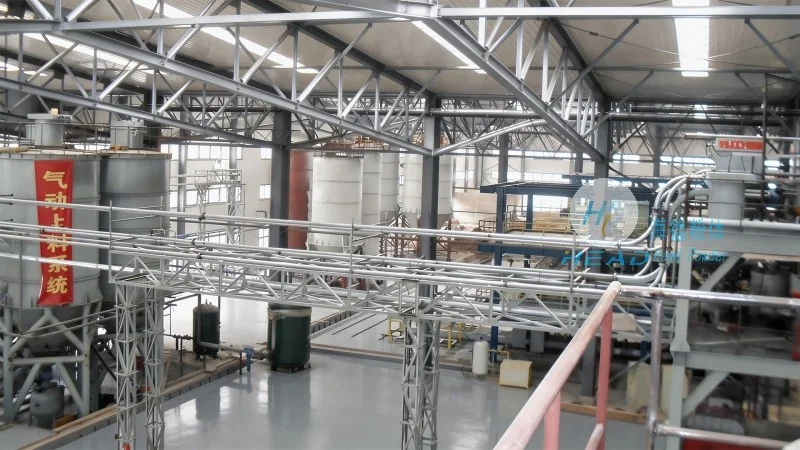
Mechanical Conveying Systems: Suitable for Specific Applications
For applications where pneumatic systems are not feasible, mechanical conveying systems offer an alternative. Screw conveyors and belt conveyors are commonly used to transport sulfur powder over shorter distances or in environments where air quality is a concern. Screw conveyors are particularly effective for handling sticky or cohesive materials, as the rotating screw provides continuous movement and prevents material buildup. Belt conveyors, on the other hand, are suitable for larger particle sizes or when a higher material capacity is required.
Application Scenarios: Where Sulfur Powder Handling Is Critical
Sulfur powder material handling is critical in several industrial applications. In chemical manufacturing, sulfur is used as a raw material for producing sulfuric acid, and efficient handling ensures a smooth production process. In the pharmaceutical industry, sulfur is used in the formulation of medications, and precise handling is necessary to maintain product quality and consistency. Additionally, in agricultural applications, sulfur is used as a fungicide, and proper handling is essential to prevent environmental contamination and ensure effective application.
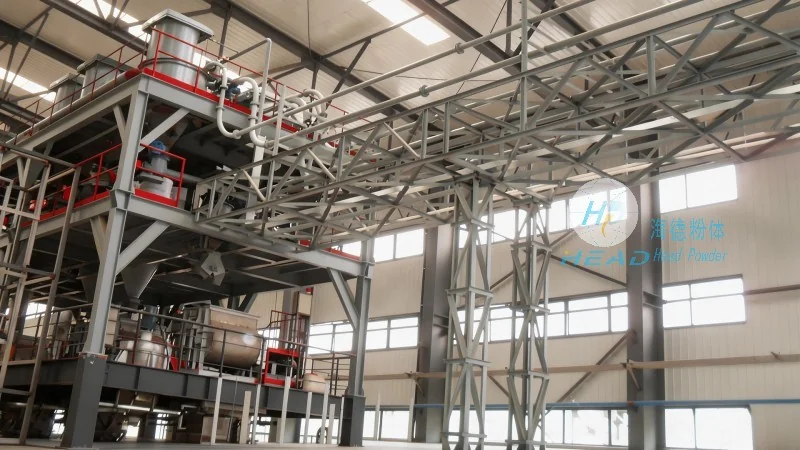
Case Study: HeadPowder's Solutions for Sulfur Powder Handling
Shandong HeadPowder Engineering Co., Ltd., a leading provider of material handling solutions, specializes in designing and manufacturing equipment tailored to the unique needs of sulfur powder. The company's expertise lies in understanding the material's properties and developing customized systems that ensure safe and efficient transport. For example, HeadPowder has developed pneumatic conveying systems that can handle sulfur powder with high purity, minimizing the risk of contamination and ensuring compliance with industry standards. The company's solutions are designed to meet the specific requirements of each client, whether it's for short-distance transport in a chemical plant or long-distance delivery to a pharmaceutical facility.
Key Considerations for Sulfur Powder Material Handling
When implementing sulfur powder material handling systems, several key considerations must be taken into account. First, the system must be designed to prevent dust explosions, which can be a serious safety hazard. This involves using explosion-proof components and proper ventilation systems. Second, the system must be able to handle the material's variability, such as changes in moisture content or particle size. Third, the system must be easy to maintain and clean to prevent material buildup and ensure long-term operation. HeadPowder's solutions address these considerations by incorporating advanced technologies and materials that enhance safety and efficiency.
Conclusion: The Importance of Specialized Sulfur Powder Handling
Efficient sulfur powder material handling is essential for maintaining production efficiency, ensuring safety, and meeting industry standards. By understanding the principles behind sulfur powder handling and selecting the appropriate equipment, industries can minimize material loss, reduce downtime, and improve overall productivity. Shandong HeadPowder Engineering Co., Ltd. offers comprehensive solutions for sulfur powder handling, combining expertise in material science with advanced engineering to deliver reliable and effective systems. Whether for chemical manufacturing, pharmaceuticals, or agriculture, HeadPowder's solutions provide the foundation for successful sulfur powder material handling in various industrial applications.




