Zircon sand, a critical raw material in industries like ceramics, glass manufacturing, and refractory production, demands efficient and reliable conveying systems to maintain smooth operational workflows. The selection of a suitable conveying method for zircon sand hinges on factors such as the material's physical properties, the distance to be transported, and the specific operational requirements of the end application. This article examines the primary methods used for zircon sand conveyance, outlining the key considerations and benefits associated with each approach. The insights provided are drawn from the expertise of Shandong HeadPowder Engineering Co., Ltd., a leading provider of material handling solutions for industrial sectors.
1. Gravity Conveying Systems
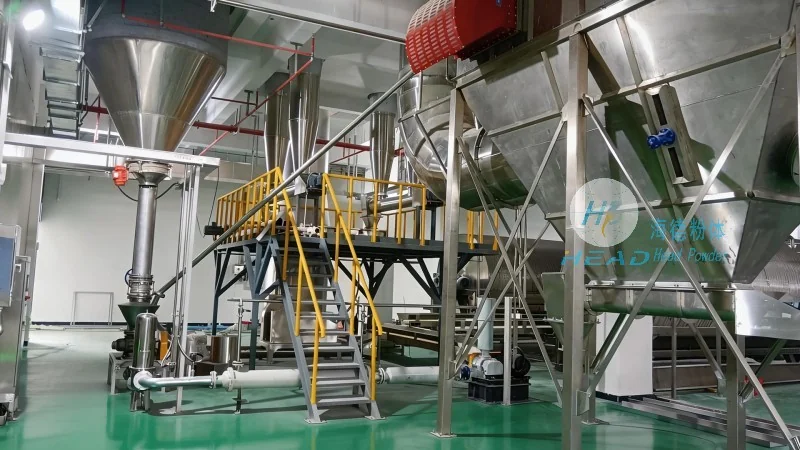
Gravity conveying systems leverage the natural force of gravity to move zircon sand from one location to another. These systems typically consist of inclined chutes or hoppers that allow the material to flow downward under its own weight. The design of gravity conveyors is relatively simple, often incorporating minimal mechanical components, which can reduce maintenance costs and energy consumption. For zircon sand with appropriate flow characteristics, gravity conveyors offer an economical solution for short to medium transport distances. However, their effectiveness is limited by the necessity of a suitable slope and the absence of obstructions that could impede the flow. In industrial settings, gravity conveyors are frequently integrated with other equipment to form a complete material handling line.
2. Mechanical Conveying Systems
Mechanical conveying systems employ mechanical power to transport zircon sand, providing greater control and flexibility compared to gravity-based methods. One of the most common types is the belt conveyor, which utilizes a continuous belt to move the material along a fixed path. Belt conveyors are highly efficient for transporting zircon sand over longer distances and can accommodate varying loads. They are also suitable for both horizontal and inclined transport, making them versatile in diverse production environments. Another mechanical option is the screw conveyor, which uses a rotating screw to push the material forward. Screw conveyors are particularly effective for handling zircon sand with higher moisture content or finer particle sizes, as they can maintain a consistent flow without the risk of material bridging or clogging. The choice between belt and screw conveyors often depends on the specific characteristics of the zircon sand and the operational constraints of the facility.
3. Air Conveying Systems
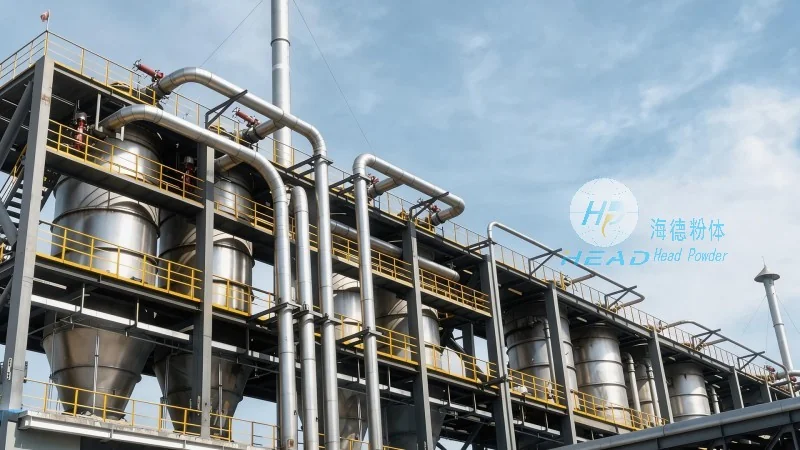
Air conveying systems, also known as pneumatic conveying, utilize air pressure to transport zircon sand through a pipeline. This method is especially advantageous for handling zircon sand in dusty or hazardous environments, as it eliminates the need for open chutes and reduces the risk of dust exposure. Pneumatic conveyors can be classified into two main types: pressure and vacuum systems. Pressure systems use compressed air to push the material through the pipeline, while vacuum systems use a vacuum to draw the material in. The selection of a pneumatic conveying system depends on factors such as the distance to be covered, the volume of material to be transported, and the need for dust control. Air conveying is often preferred for zircon sand that is sensitive to moisture or contamination, as the enclosed pipeline prevents exposure to external elements. However, pneumatic systems may require higher energy input and more complex maintenance compared to other methods.
4. Hydraulic Conveying Systems
Hydraulic conveying systems utilize water or other liquids to transport zircon sand through a pipeline. This method is particularly effective for handling zircon sand with high moisture content or in applications where the material needs to be mixed with water. The zircon sand is suspended in the liquid and pumped through the pipeline, allowing for efficient transport over long distances. Hydraulic conveyors are commonly used in mining and mineral processing operations where the material is extracted from underground and needs to be transported to processing facilities. The primary advantage of hydraulic conveying is its ability to handle abrasive materials like zircon sand without causing excessive wear on the pipeline or equipment. However, the system requires additional equipment for water treatment and recycling, which can increase operational costs. The choice of hydraulic conveying is typically driven by the specific characteristics of the zircon sand and the availability of water resources in the operational area.
5. Combination Conveying Systems
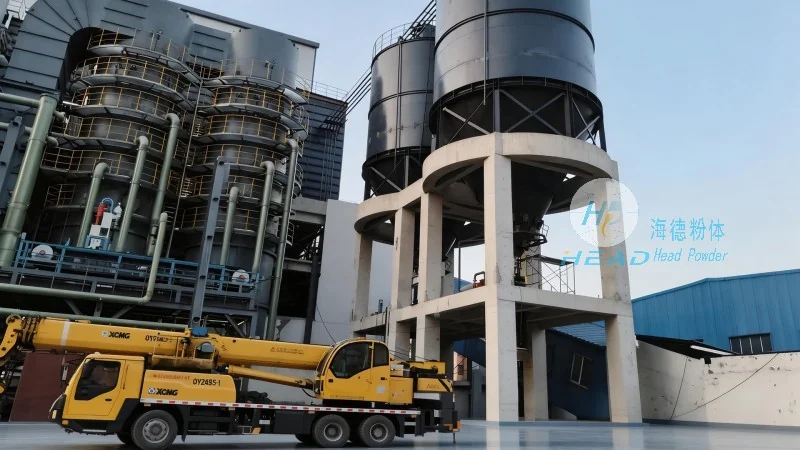
In many industrial applications, a single conveying method may not be sufficient to meet all the requirements of zircon sand transport. Combination conveying systems, which integrate multiple technologies, offer a flexible solution to address these challenges. For example, a system might combine gravity and mechanical conveyors to transport zircon sand over varying distances, with the gravity section handling the initial descent and the mechanical section completing the final transport. Another combination approach involves using pneumatic and mechanical conveyors to handle both bulk and fine zircon sand particles. These hybrid systems allow for greater control over the material flow and can adapt to changing production demands. The use of combination conveying systems is becoming increasingly common in modern industrial settings, as they provide the flexibility needed to optimize material handling efficiency while minimizing costs and downtime.
Key Considerations for Selecting a Zircon Sand Conveying Method
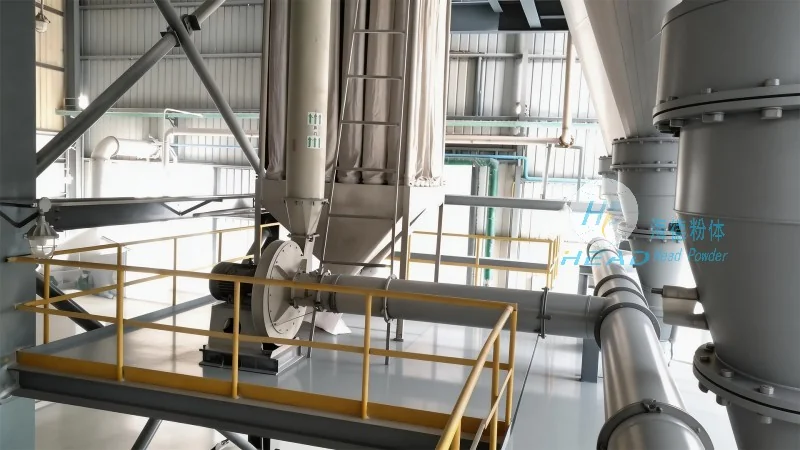
When selecting a zircon sand conveying method, several factors must be carefully evaluated to ensure the most suitable solution is chosen. The first consideration is the physical properties of the zircon sand, including its particle size distribution, moisture content, and flowability. Materials with high moisture content or fine particles may require specialized equipment to prevent clogging or bridging. The second factor is the distance and layout of the transport route, as this will determine the feasibility of different conveying methods. For short distances, gravity or mechanical conveyors may be sufficient, while longer distances may necessitate pneumatic or hydraulic systems. The third consideration is the operational environment, including factors such as dust control, safety requirements, and space constraints. In dusty or hazardous environments, pneumatic conveying may be preferred to avoid exposure risks. Additionally, the availability of resources such as water or energy should be considered, as they can impact the cost and efficiency of the chosen system.
Conclusion
Choosing the right zircon sand conveying method is critical to the efficiency and productivity of industrial operations. Gravity, mechanical, air, hydraulic, and combination systems each offer unique advantages and are suitable for different applications. By carefully evaluating the material properties, transport requirements, and operational constraints, industries can select the most appropriate conveying system to ensure smooth and reliable zircon sand handling. As technology advances, new and more efficient conveying methods may emerge, further enhancing the capabilities of zircon sand transport. However, the fundamental principles of material handling remain consistent, and the choice of method will continue to depend on the specific needs of the application.




