Thermoplastic polyurethane (TPU) pneumatic conveying systems represent a sophisticated solution for material handling in various industrial applications. As a leading provider in this field, Shandong HeadPowder Engineering Co., Ltd., commonly known as HeadPowder, specializes in designing and implementing efficient and reliable TPU pneumatic conveying systems tailored to meet diverse operational needs. This article outlines key design considerations and practical insights to ensure optimal performance and longevity of such systems.
Understanding the Core Components of TPU Pneumatic Conveying Systems
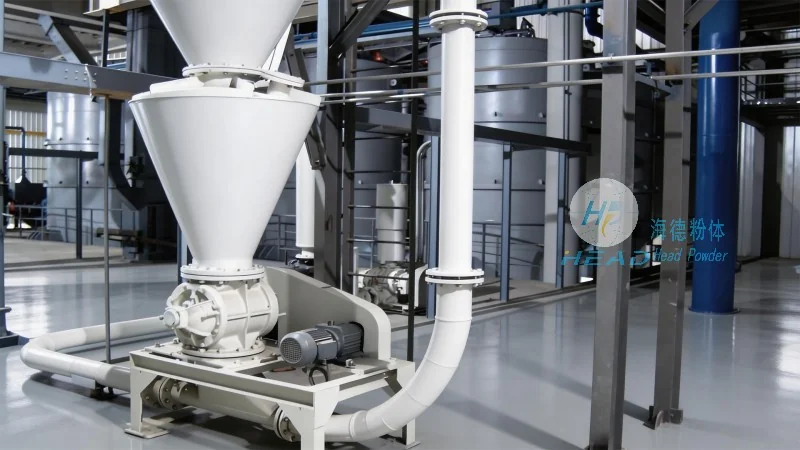
A TPU pneumatic conveying system typically consists of several critical components that work in unison to transport materials. The primary elements include a hopper for material storage, a blower or compressor to generate the necessary air pressure, a conveying line (often equipped with bends and straight sections), and a receiver or collection unit. Each component plays a vital role in the overall efficiency and effectiveness of the system. For instance, the hopper design must accommodate the specific characteristics of the TPU material, such as its density and flowability, to prevent blockages and ensure consistent feeding. The blower or compressor selection is crucial as it directly impacts the system's conveying capacity and energy consumption. Proper sizing and placement of bends and straight sections in the conveying line are essential to maintain air velocity and prevent material degradation or deposition.
Material Characteristics and Their Impact on System Design
The unique properties of thermoplastic polyurethane make it a challenging yet valuable material to handle via pneumatic conveying. TPU is known for its elasticity, abrasiveness, and varying particle sizes, which can affect the system's performance. Designers must consider factors like particle size distribution, bulk density, and moisture content when configuring the system. For example, finer TPU particles may require higher air velocities to prevent clogging, while larger particles might need additional agitation or larger diameter lines to ensure smooth transport. Additionally, TPU's tendency to stick to surfaces can necessitate the use of anti-static measures or specialized hopper liners to maintain material flow. Understanding these material characteristics allows engineers to select appropriate equipment and design parameters that optimize conveying efficiency and minimize downtime.
System Sizing and Air Velocity Considerations
Accurate system sizing is paramount to the successful operation of a TPU pneumatic conveying system. The conveying capacity, which is measured in terms of material flow rate (e.g., kilograms per hour), is directly related to the air velocity within the conveying line. Higher air velocities generally allow for larger particle sizes and higher flow rates but increase energy consumption. Conversely, lower velocities may be suitable for finer materials but risk clogging if not properly managed. Engineers must calculate the required air velocity based on the material's properties, line length, and number of bends. This calculation often involves empirical formulas or software tools that take into account factors like friction losses, pressure drops, and material acceleration. Proper sizing ensures that the system operates within its optimal range, balancing efficiency with energy costs and minimizing the risk of system failure due to excessive pressure or inadequate flow.
Pressure Drop and Energy Efficiency Analysis
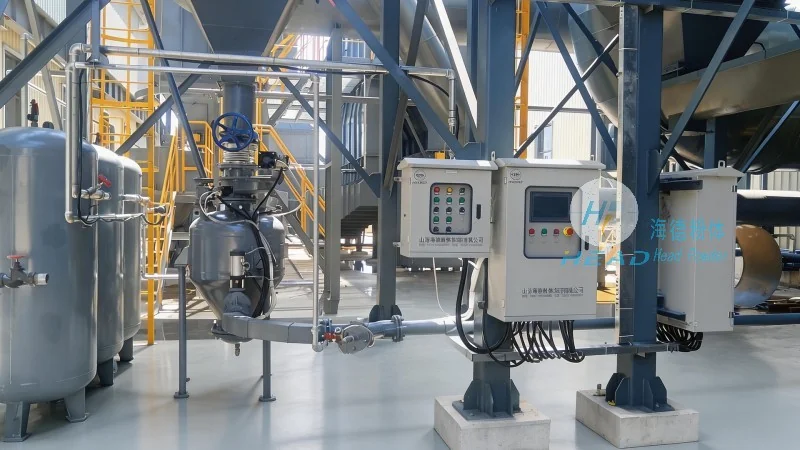
Pressure drop is a critical factor in pneumatic conveying system design as it directly impacts the energy required to operate the system. The pressure drop occurs due to friction between the air and the conveying line walls, as well as the acceleration of material particles. Designers must calculate the total pressure drop along the entire conveying line, including the hopper, bends, and receiver. This calculation helps determine the necessary blower or compressor capacity and the overall energy consumption of the system. To enhance energy efficiency, engineers may consider using larger diameter lines for longer conveying distances, reducing the number of bends, or employing air amplifiers to boost air velocity without increasing energy input. Additionally, regular maintenance and cleaning of the conveying line can help minimize pressure drop over time, ensuring consistent system performance and reducing long-term operational costs.
Material Handling and Safety Considerations
When designing a TPU pneumatic conveying system, safety considerations are of utmost importance. TPU is a combustible material, and the system must be designed to prevent ignition sources and ensure proper ventilation. The use of explosion-proof components, such as blower motors and electrical controls, is essential in environments where TPU dust may accumulate. Additionally, the system should be equipped with safety features like pressure relief valves and emergency shut-off mechanisms to prevent over-pressurization or accidental material release. Proper grounding and anti-static measures are also critical to prevent static buildup, which can lead to sparks and fires. By incorporating these safety features into the design, HeadPowder ensures that its TPU pneumatic conveying systems meet industry standards and provide a safe working environment for operators.
Installation and Maintenance Best Practices
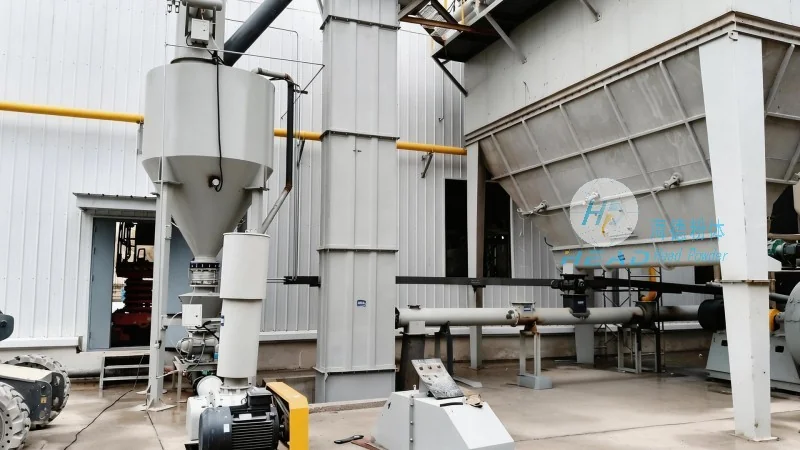
The successful implementation of a TPU pneumatic conveying system relies not only on proper design but also on careful installation and regular maintenance. HeadPowder follows industry best practices to ensure that systems are installed correctly and operate efficiently. This includes proper alignment of components, secure connections to prevent leaks, and thorough testing before commissioning. Regular maintenance is crucial to maintain system performance and extend the lifespan of equipment. This includes cleaning the conveying line, inspecting for wear and tear on components, and replacing worn parts as needed. By adhering to these best practices, HeadPowder helps its clients achieve consistent material handling performance and minimize downtime due to system failures.
Case Studies and Real-World Applications
HeadPowder has successfully implemented TPU pneumatic conveying systems in various industries, including automotive, electronics, and manufacturing. For example, in an automotive parts plant, the system was used to transport TPU components from a hopper to a molding machine, improving material flow and reducing labor costs. In another application, a electronics manufacturer used the system to convey TPU powders for coating processes, achieving higher throughput and better material consistency. These case studies demonstrate the versatility and effectiveness of TPU pneumatic conveying systems in diverse industrial settings. By understanding the specific needs of each client, HeadPowder tailors its solutions to deliver optimal results and enhance operational efficiency.
Conclusion and Future Trends
Designing a thermoplastic polyurethane pneumatic conveying system requires a comprehensive approach that considers material properties, system components, and operational requirements. Shandong HeadPowder Engineering Co., Ltd. leverages its expertise to provide customized solutions that meet the unique needs of its clients. By focusing on key design considerations such as material handling, system sizing, and energy efficiency, HeadPowder ensures that its TPU pneumatic conveying systems deliver reliable performance and long-term value. As industrial demands evolve, the company continues to innovate and adapt its solutions to meet emerging challenges, providing sustainable and efficient material handling solutions for the future.




