For manufacturers and processors in the malt industry, efficient and reliable material handling is crucial to maintaining production efficiency and product quality. The pneumatic conveying system for barley malting is a key piece of equipment that addresses these needs by providing a clean, low-cost method of transporting barley and other raw materials. This article provides an overview of the equipment used in such systems and explains the structural principles behind their operation.
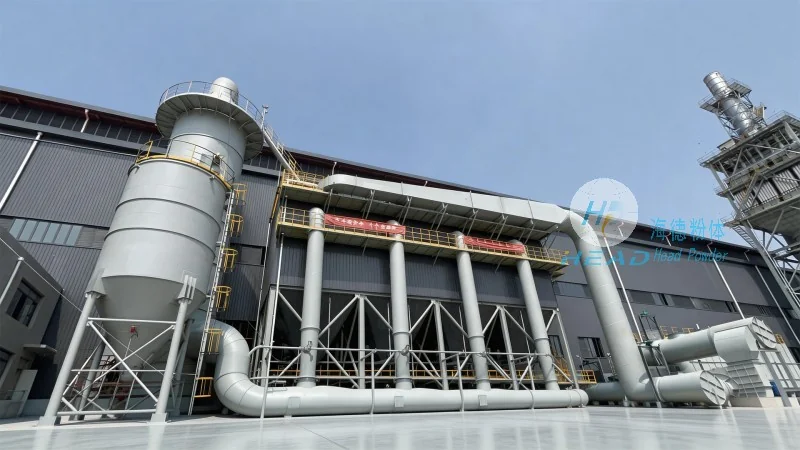
Overview of the Barley Malting Pneumatic Conveying System
The barley malting pneumatic conveying system is designed to transport barley from storage silos or bins to the malting process, such as steeping tanks or milling equipment. The system typically consists of several key components, including a hopper, a rotary valve, a conveying line, and a receiver. Each component plays a critical role in the overall operation of the system.
Key Equipment Components and Their Functions
The hopper is the initial storage and feeding unit, where barley is stored before being fed into the system. It is designed to hold a sufficient quantity of material to ensure continuous operation without frequent refilling. The rotary valve, also known as a feeder, is responsible for controlling the flow of barley from the hopper into the conveying line. This component is crucial for regulating the material flow rate and preventing backflow or blockages.
The conveying line is the core of the pneumatic system, which can be either a positive pressure or negative pressure system. In a positive pressure system, air is blown into the line, pushing the material forward. In a negative pressure system, air is drawn out of the line, creating a vacuum that pulls the material. The choice between these systems depends on factors such as the distance to be covered, the material's characteristics, and the desired flow rate. The line is usually made of stainless steel or other corrosion-resistant materials to handle the abrasive nature of barley.
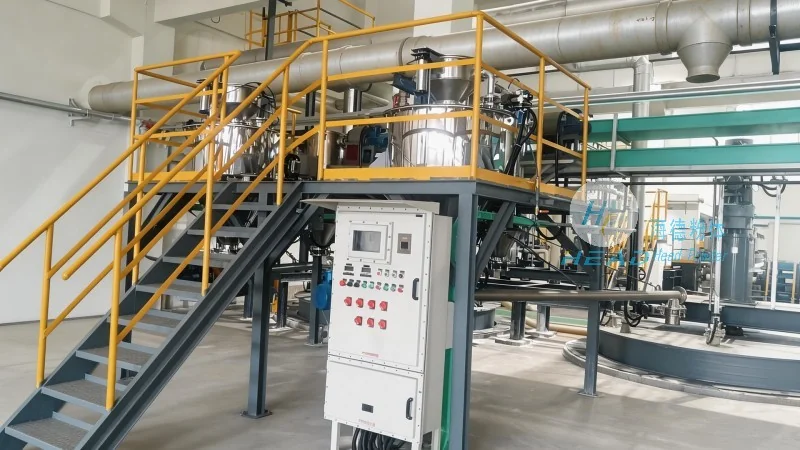
The receiver is the final destination for the transported barley, where it is discharged into the next stage of the malting process. It is equipped with a discharge valve or gate to control the release of material. Some systems may also include a dust collector or filter to capture any airborne particles and maintain a clean working environment.
Structural Principles of the Pneumatic Conveying Process
The operation of the pneumatic conveying system is based on the principles of fluid dynamics and particle transport. When air is introduced into the conveying line, it creates a mixture of air and material particles, known as a slurry or suspension. The velocity of the air is critical; it must be sufficient to keep the particles suspended and moving forward without causing excessive wear on the equipment or material degradation.
The system's design must consider the specific properties of barley, such as its size, density, and moisture content. These factors affect the required air velocity and pressure to achieve efficient conveying. For example, larger or denser barley may require higher air pressure or velocity to ensure proper transport. The system's components are engineered to handle these variations and maintain consistent performance.
Advantages of Using Pneumatic Conveying for Barley Malting
Compared to traditional mechanical conveying systems, pneumatic conveying offers several advantages for barley malting operations. One of the primary benefits is the ability to handle materials in a closed system, which reduces dust exposure and improves workplace safety. This is particularly important in the food processing industry, where maintaining a clean environment is essential for product quality and regulatory compliance.
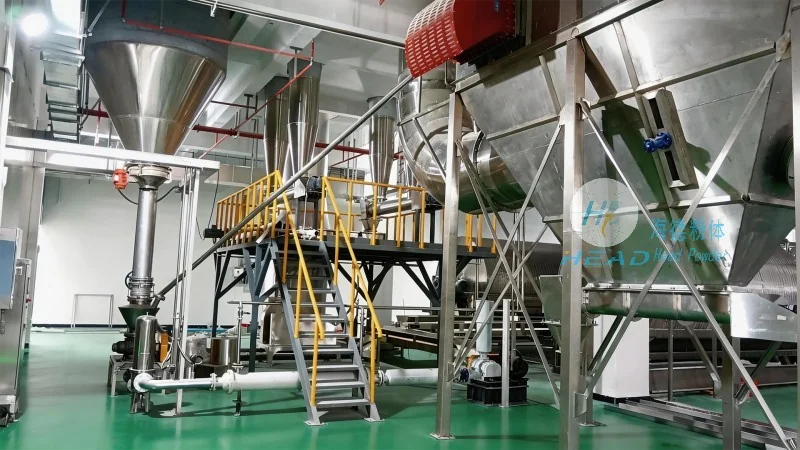
Another advantage is the cost-effectiveness of pneumatic systems. They typically require less maintenance than mechanical systems, as there are fewer moving parts and less wear from friction. Additionally, the closed system design can reduce material loss and contamination, leading to lower operational costs over time.
The flexibility of pneumatic conveying is also a significant benefit. The system can be easily reconfigured to handle different material types or to change the flow direction, making it adaptable to various production needs. This adaptability is valuable in dynamic malting operations where production schedules may change frequently.
Conclusion and Company Information
The barley malting pneumatic conveying system is a vital piece of equipment for modern malting operations, providing efficient, reliable, and safe material handling. By understanding the key components and structural principles of this system, manufacturers can optimize their processes and improve overall productivity. As a leading provider of engineering solutions for the malt industry, Shandong HeadPowder Engineering Co., Ltd. specializes in designing and manufacturing high-quality pneumatic conveying systems tailored to the specific needs of barley malting operations. With a focus on innovation and customer satisfaction, HeadPowder ensures that their equipment meets the highest standards of performance and durability.




