Graphite powder handling is a specialized field within material processing, focusing on the efficient and safe transportation of graphite powders from production sites to processing or end-use applications. The process involves understanding the unique physical and chemical properties of graphite, such as its high lubricity, thermal conductivity, and chemical stability, which influence the design and operation of powder handling systems. This article provides an overview of the structural principles underlying graphite powder handling systems, emphasizing the key components and operational mechanisms that ensure reliable material transport.
Key Components of Graphite Powder Handling Systems
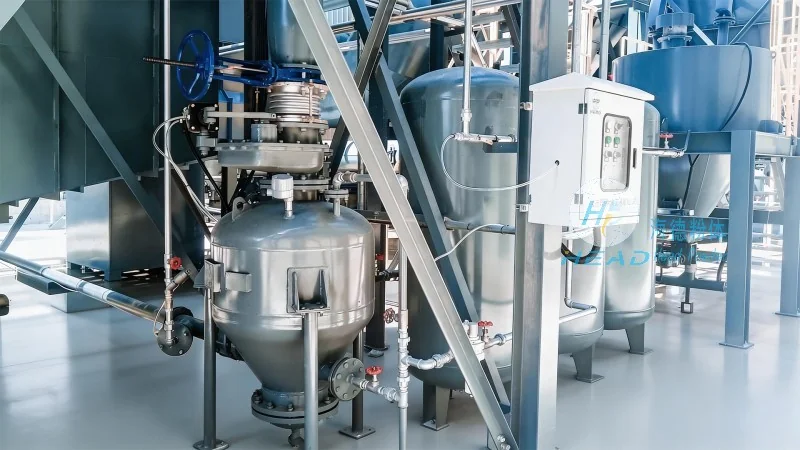
Graphite powder handling systems typically consist of several interconnected components, each playing a critical role in the overall process. The primary components include feeders, conveyors, storage vessels, and control systems. Feeders are responsible for regulating the flow of graphite powder from the source, ensuring a consistent and controlled discharge rate. Common types of feeders used in graphite powder handling include rotary valves, vibratory feeders, and screw feeders, each chosen based on the specific characteristics of the graphite powder and the required flow rate. Conveyors, on the other hand, are responsible for transporting the graphite powder over longer distances. In graphite powder handling, both pneumatic (air-assisted) and mechanical (belt, screw, or chain) conveyors are utilized. Pneumatic conveyors use compressed air to move the powder through a pipeline, while mechanical conveyors rely on mechanical forces to transport the material. Storage vessels, such as silos or hoppers, are used to temporarily store the graphite powder before it is conveyed to the next stage of processing. These vessels are designed with appropriate dimensions and material construction to prevent caking, agglomeration, or contamination of the graphite powder. Control systems, including sensors, valves, and programmable logic controllers (PLCs), monitor and regulate the flow of graphite powder throughout the system, ensuring safety and efficiency.
Structural Principles of Graphite Powder Transport
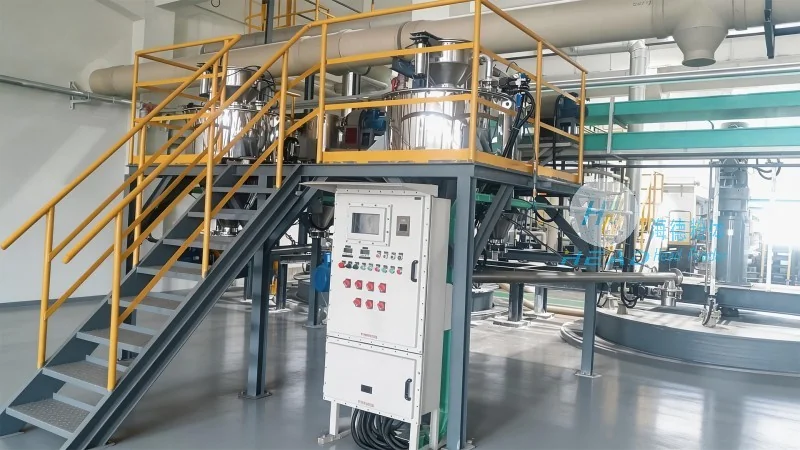
The structural principles of graphite powder transport are rooted in the physics of powder flow and the behavior of particulate materials. One of the fundamental principles is the concept of bulk material flow, where the powder is treated as a continuum rather than individual particles. This approach allows engineers to model the behavior of the powder using principles from fluid mechanics and solid mechanics. For example, the flow of graphite powder through a hopper or conveyor is influenced by factors such as particle size distribution, density, and moisture content. The particle size distribution affects the powder's flowability, with finer particles tending to create more cohesive and less free-flowing materials. Density and moisture content also impact the powder's behavior, as higher moisture levels can lead to agglomeration and increased resistance to flow. Another key structural principle is the prevention of material degradation during transport. Graphite powder is susceptible to oxidation and contamination, especially when exposed to air or moisture. Therefore, handling systems are designed with materials that are chemically inert and resistant to corrosion, such as stainless steel or specialized polymers. Additionally, the system is often enclosed to minimize exposure to the environment, reducing the risk of contamination and maintaining the purity of the graphite powder.
Operational Considerations for Graphite Powder Handling
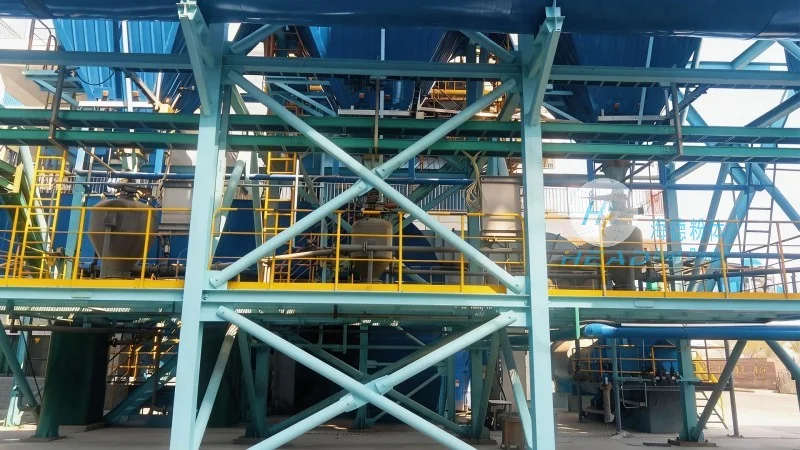
Operational considerations are crucial for the effective and safe handling of graphite powder. These considerations include maintaining consistent flow rates, preventing blockages, and ensuring proper maintenance of the equipment. Consistent flow rates are essential to avoid overloading or underloading the downstream processing equipment, which can lead to inefficiencies or product quality issues. To achieve consistent flow rates, feeders are often equipped with variable speed drives or adjustable parameters that can be fine-tuned based on real-time conditions. Blockages are a common issue in graphite powder handling systems, particularly in areas where the powder is subject to high pressure or low flow rates. To prevent blockages, the system is designed with features such as anti-caking agents, vibration devices, or air knives that help break up agglomerates and maintain free flow. Regular maintenance of the equipment is also critical to ensure the longevity and reliability of the system. This includes cleaning the feeders, conveyors, and storage vessels to remove accumulated graphite powder, inspecting the seals and bearings for wear, and checking the performance of the control systems. Proper maintenance not only extends the life of the equipment but also ensures that the graphite powder is handled in a safe and efficient manner.
Applications and Industry Impact
Graphite powder handling systems are widely used in various industries, including refractory manufacturing, battery production, lubricant formulation, and aerospace. In refractory manufacturing, graphite powder is used to produce high-temperature refractory materials, and efficient handling is essential to maintain the quality and consistency of these products. In battery production, graphite powder is a key component in lithium-ion batteries, and the purity and uniformity of the powder directly impact the performance and lifespan of the batteries. In lubricant formulation, graphite powder is used to enhance the lubricating properties of oils and greases, and the handling process must ensure that the powder is evenly distributed and free from contaminants. In aerospace, graphite powder is used in composite materials, and the handling system must meet stringent quality and safety standards. The effectiveness of graphite powder handling systems directly impacts the productivity and quality of these industries, making it a critical component of modern manufacturing processes.
Conclusion
In conclusion, graphite powder handling systems are complex and specialized, requiring a deep understanding of the structural principles underlying powder transport. The key components, operational mechanisms, and design considerations all work together to ensure the efficient and safe handling of graphite powder. As the demand for graphite and its applications continues to grow, the importance of reliable and efficient graphite powder handling systems will only increase. Companies such as Shandong HeadPowder Engineering Co., Ltd., based in China, play a vital role in providing advanced handling solutions that meet the evolving needs of the industry. By adhering to the structural principles and operational best practices outlined in this article, manufacturers can ensure the consistent and high-quality production of graphite-based products, contributing to the growth and development of various industries.




