For industrial applications, the efficient and reliable handling of magnesia powder is crucial. This article provides an overview of magnesia powder handling systems, focusing on their structural principles and operational mechanisms. By understanding these aspects, users can better select and implement appropriate equipment for their specific needs.
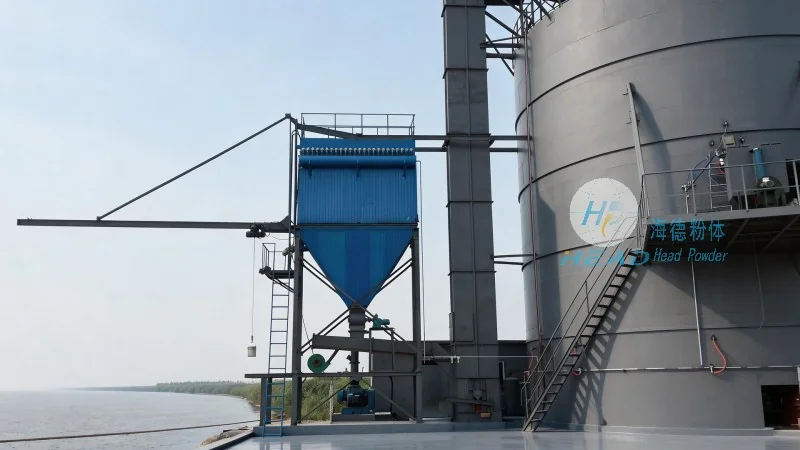
Understanding Magnesia Powder Handling Systems
Magnesia powder, a key raw material in refractory and other industrial sectors, requires specialized equipment for safe and effective transportation. The primary goal of magnesia powder handling systems is to move the powder from storage to processing points with minimal loss, contamination, and energy consumption. These systems typically include components such as feeders, conveyors, and storage silos, each designed to address specific challenges associated with handling fine powders.
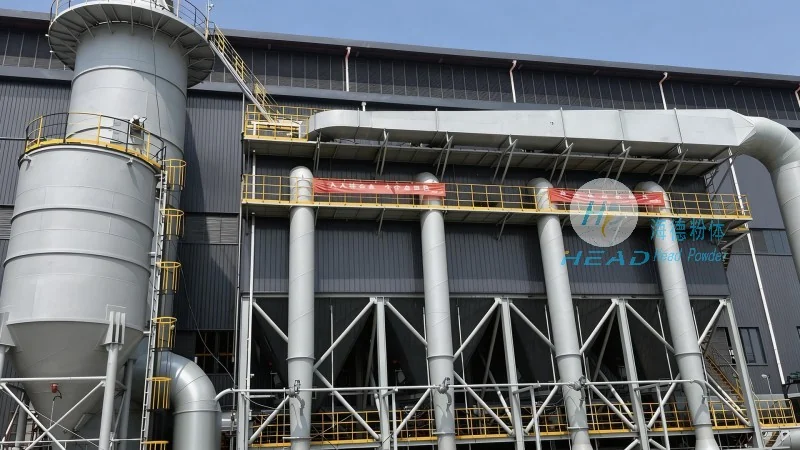
Structural Principles of Magnesia Powder Handling Equipment
The structural design of magnesia powder handling equipment is tailored to the physical properties of the powder, including its flowability, particle size, and potential for caking or bridging. Key components and their functions are as follows:
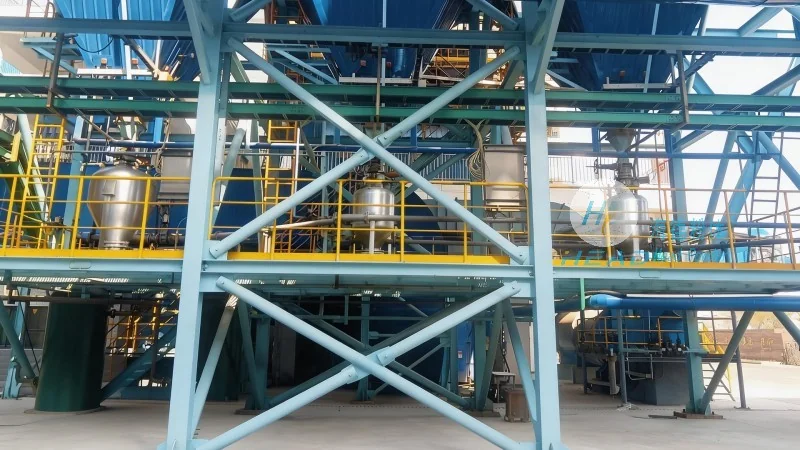
- Feeders: Feeders are used to control the flow rate of magnesia powder from storage silos to downstream equipment. Common types include rotary, vibratory, and screw feeders, each offering advantages in terms of accuracy, capacity, and suitability for different powder characteristics. For example, rotary feeders are often preferred for their ability to handle a wide range of particle sizes and their low maintenance requirements, while vibratory feeders provide precise control over flow rates, making them ideal for applications requiring tight dosage accuracy.
- Conveyors: Conveyors transport magnesia powder over longer distances or between different processing stages. Belt conveyors, pneumatic conveyors, and bucket elevators are widely used, with the choice depending on the required throughput, distance, and environmental conditions. Belt conveyors are suitable for bulk material transport over moderate distances, offering high capacity and durability. Pneumatic conveyors, on the other hand, use air pressure to move powder through pipelines, providing flexibility in layout and the ability to handle fine powders without the need for mechanical contact. Bucket elevators are used for vertical transport, efficiently lifting powder from lower to higher levels while minimizing spillage and dust generation.
- Storage Silos: Storage silos are used to store magnesia powder in bulk, ensuring a stable supply and preventing material degradation. The design of silos, including the use of cone-bottom or hopper designs, is critical to prevent bridging and ensure uniform discharge. Cone-bottom silos are commonly used due to their ability to promote flow by creating a funnel-like shape, reducing the risk of caking and ensuring consistent material release. Proper aeration and vibration systems may also be incorporated into silo designs to further enhance flow characteristics and prevent material buildup.
Operational Considerations and Best Practices
Effective magnesia powder handling also depends on proper operational practices. Regular maintenance of equipment, such as cleaning and lubrication, is essential to prevent wear and ensure consistent performance. For instance, rotary feeders require periodic inspection of the rotor and housing to prevent wear and maintain accurate flow control. Conveyors should be checked for belt tension and alignment to avoid slippage or damage, which can reduce efficiency and increase maintenance costs. Additionally, monitoring parameters like flow rate, pressure, and temperature can help detect issues early and maintain optimal system efficiency. Real-time data collection and analysis can provide insights into system performance, allowing for proactive adjustments and improved operational outcomes.
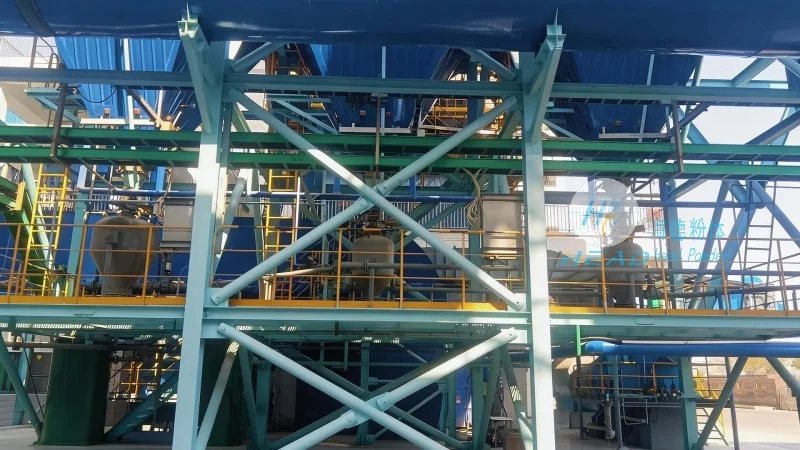
About Shandong HeadPowder Engineering Co., Ltd.
Shandong HeadPowder Engineering Co., Ltd., operating under the brand name headpowder, specializes in the design and manufacturing of advanced powder handling systems. With a focus on innovation and customer-centric solutions, the company provides tailored equipment for various industrial applications, including refractory production, chemical processing, and material handling. Headpowder's expertise in magnesia powder handling ensures that clients receive reliable and efficient systems that meet their specific operational requirements. The company's commitment to quality and technical support has made it a trusted partner for businesses seeking to optimize their powder handling processes. By leveraging years of experience and continuous research, headpowder delivers solutions that enhance productivity, reduce downtime, and improve overall operational efficiency in the handling of magnesia powder.




