For industries dealing with bulk powders, maintaining a clean and efficient workflow is paramount. The dust-free bulk powder unpacking and conveying system, developed by Shandong HeadPowder Engineering Co., Ltd. (hereinafter referred to as HeadPowder), addresses these challenges by integrating advanced engineering solutions to ensure safe, hygienic, and reliable material handling. This article provides an overview of the system's structure and operational principles, highlighting its key components and how they work together to enhance productivity and compliance with industry standards.
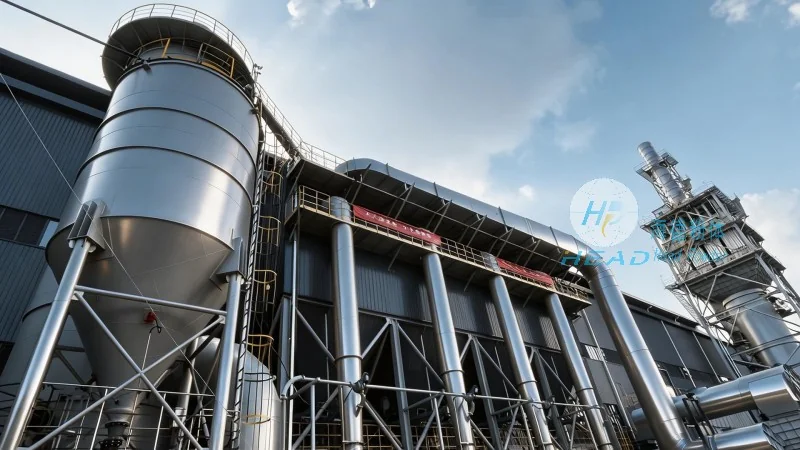
Company Profile: HeadPowder Engineering
HeadPowder, a leading manufacturer in the field of bulk material handling equipment, specializes in designing and manufacturing dust-free systems for various industrial applications. With a strong commitment to innovation and quality, the company has established itself as a trusted partner for businesses seeking reliable solutions for powder handling. HeadPowder's headquarters is located in Shandong, China, where the company's research and development team continuously works to improve its product line. The company's mission is to provide efficient, safe, and cost-effective equipment that meets the evolving needs of the industry.
System Overview: Dust-Free Bulk Powder Unpacking and Conveying
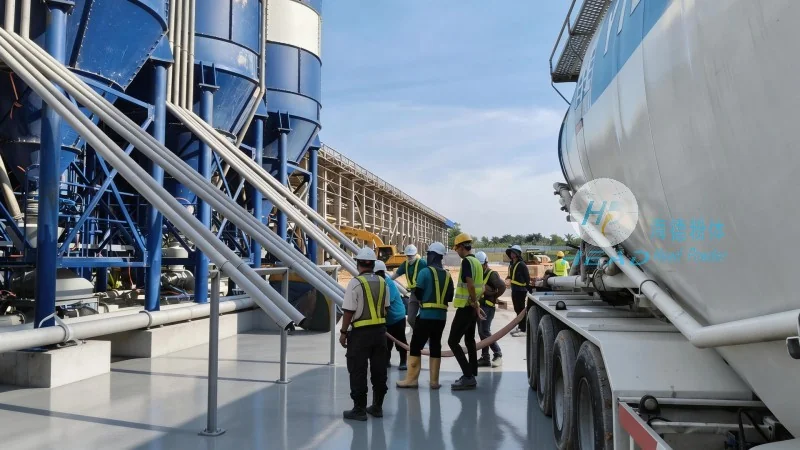
The dust-free bulk powder unpacking and conveying system is a comprehensive solution designed to handle the entire process from unpacking bulk powder bags to transporting the material to the processing line. The system is engineered to minimize dust generation and ensure a clean working environment, which is critical for industries such as pharmaceuticals, food processing, and chemical manufacturing where contamination control is non-negotiable. The core components of the system include the unpacking unit, conveying equipment, dust collection system, and control panel, all working in tandem to achieve seamless operation.
Structural Components and Their Functions
1. Unpacking Unit: This is the initial stage of the system where bulk powder bags are opened and the material is transferred into the conveying system. The unit typically features a bag opening mechanism, such as a pneumatic or mechanical cutter, which safely opens the bag without generating excessive dust. The material is then fed into a hopper or a feeding screw, which regulates the flow of powder into the subsequent conveying equipment. The design of the unpacking unit is crucial as it directly impacts the overall dust control and material handling efficiency.
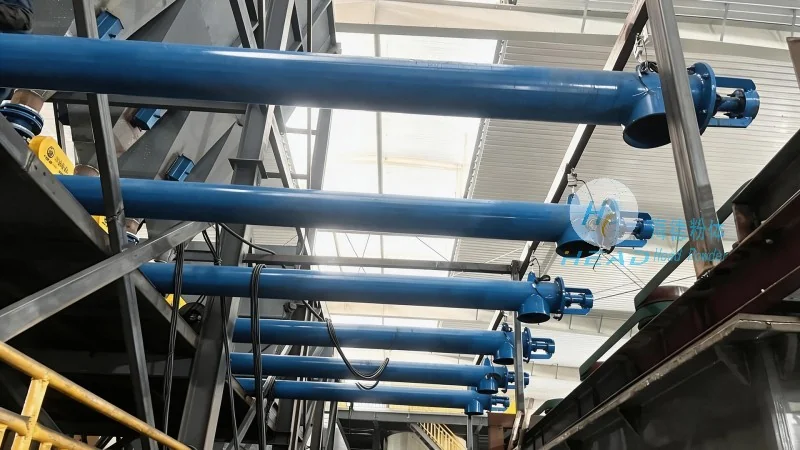
2. Conveying Equipment: The conveying system is responsible for transporting the powder from the unpacking unit to the processing area. Common types of conveying equipment used in this system include screw conveyors, pneumatic conveyors, and bucket elevators. Screw conveyors are widely used for horizontal or slight incline transport, providing a continuous and controlled flow of material. Pneumatic conveyors, on the other hand, use air pressure to move the powder, which is particularly effective for fine powders and can be used for both horizontal and vertical transport. The choice of conveying equipment depends on the specific characteristics of the powder, such as particle size, density, and moisture content.
3. Dust Collection System: To maintain a dust-free environment, the system incorporates a dust collection system that captures any airborne particles generated during the unpacking and conveying process. This system typically includes a filter, a fan, and a collection container. The filter traps the dust particles, while the fan creates a negative pressure to draw the air through the filter. The collected dust is then stored in a container for disposal or recycling. The effectiveness of the dust collection system is a key factor in ensuring compliance with environmental regulations and maintaining a safe working environment.
4. Control Panel: The control panel is the brain of the system, responsible for monitoring and controlling all the components. It includes sensors, switches, and a control unit that allows operators to start, stop, and adjust the system's operation. The control panel may also feature indicators for system status, such as the level of material in the hopper or the pressure in the dust collection system. This allows for real-time monitoring and troubleshooting, ensuring that the system operates efficiently and safely.
Operational Principles and Working Mechanisms
The dust-free bulk powder unpacking and conveying system operates based on a series of coordinated steps. The process begins with the placement of a bulk powder bag into the unpacking unit. The bag is then opened using the appropriate mechanism, and the powder is transferred into the hopper. The feeding screw or conveyor then moves the powder into the conveying equipment, which transports it to the processing line. Throughout this process, the dust collection system continuously operates to capture any dust generated, ensuring that the air remains clean. The control panel monitors all components and adjusts the system's operation as needed to maintain optimal performance.
The system's design ensures that each component works in harmony to achieve the desired outcome. For example, the speed of the feeding screw is adjusted based on the flow rate of the powder, while the pressure in the dust collection system is monitored to ensure it is sufficient to capture all dust particles. This coordination is critical for maintaining the efficiency and reliability of the system.
Advantages and Applications
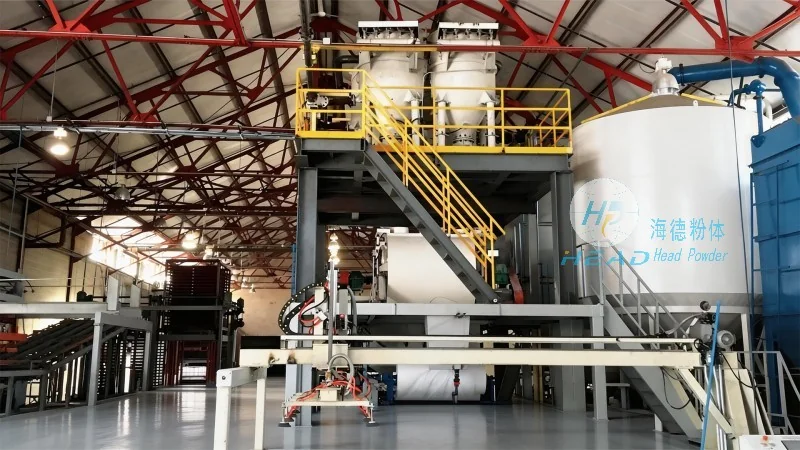
The dust-free bulk powder unpacking and conveying system offers several advantages over traditional methods of powder handling. First, it significantly reduces dust generation, which improves workplace safety and compliance with environmental regulations. Second, the system is designed to be efficient and reliable, with minimal downtime for maintenance. Third, the modular design allows for easy integration with existing production lines, making it a flexible solution for various industrial applications.
The system is widely used in industries such as pharmaceuticals, food processing, chemical manufacturing, and agriculture. In pharmaceutical manufacturing, for example, the system is used to handle active pharmaceutical ingredients (APIs) and excipients, ensuring that the material is handled in a clean and hygienic environment. In food processing, the system is used to handle ingredients such as flour, sugar, and spices, maintaining the quality and safety of the final product. In chemical manufacturing, the system is used to handle various powders, including catalysts and reagents, ensuring that the material is handled safely and efficiently.




