Introduction to Equipment and Structural Principles of Copper Oxide Pneumatic Conveying Systems
Release time:2026-09-22 02:01:42
name of the company:Shandong Headpowder Engineering Co., Ltd.
telephone:156-6277-7102
contacts:Zhang manager
HeadPowder, a leading manufacturer based in Shandong, China, specializes in the design, production, and supply of advanced pneumatic conveying systems tailored for copper oxide handling. This article provides an overview of the key equipment involved and the fundamental structural principles that enable efficient and reliable material transport in industrial applications.
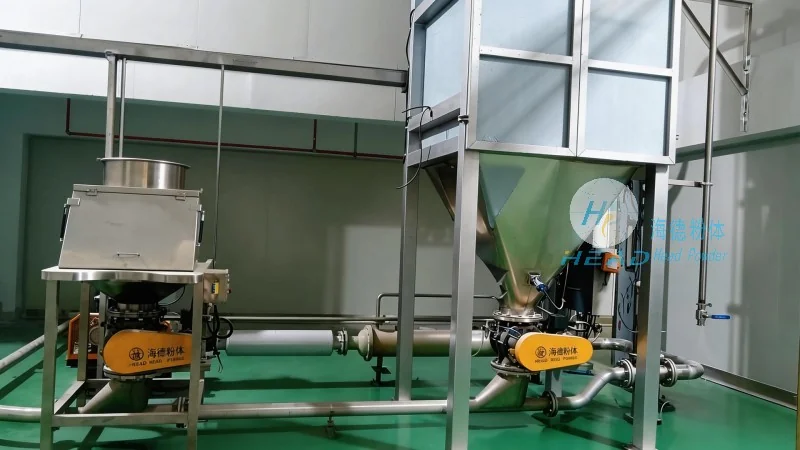
Overview of Copper Oxide Pneumatic Conveying Systems
Copper oxide, a crucial industrial material used in various sectors such as metallurgy, chemical processing, and manufacturing, requires specialized handling solutions to ensure safety, efficiency, and minimal material loss during transportation. Pneumatic conveying systems offer a non-contact, low-maintenance method for moving copper oxide powders and granules over long distances or within complex production lines. The core components of these systems are engineered to handle the unique properties of copper oxide, including its density, flowability, and potential reactivity under certain conditions.
Key Equipment in Copper Oxide Pneumatic Conveying Systems
The effectiveness of a copper oxide pneumatic conveying system depends on the integration of several critical pieces of equipment, each playing a vital role in the overall operation. These components include:
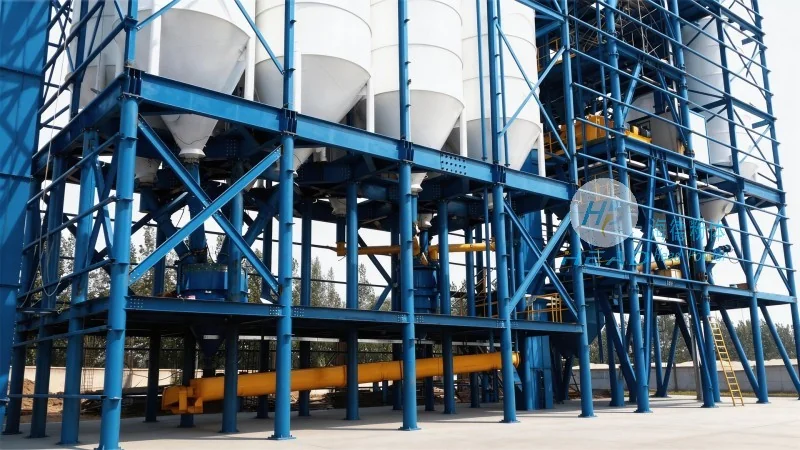
- Feeder Unit: This component is responsible for feeding copper oxide material into the conveying line at a controlled rate. For copper oxide, which can be prone to bridging or caking, specialized feeders like rotary valves or screw feeders are often used to ensure consistent and reliable material flow.
- Pneumatic Conveying Pipe: The main pipeline through which copper oxide is transported. These pipes are typically made of corrosion-resistant materials, such as stainless steel or special alloys, to withstand the chemical properties of copper oxide and prevent contamination or degradation of the material.
- Air Compressor and Blower: The power source for the system, providing the necessary air pressure to move the copper oxide particles through the pipeline. High-efficiency compressors are used to minimize energy consumption while maintaining sufficient pressure for effective conveying.
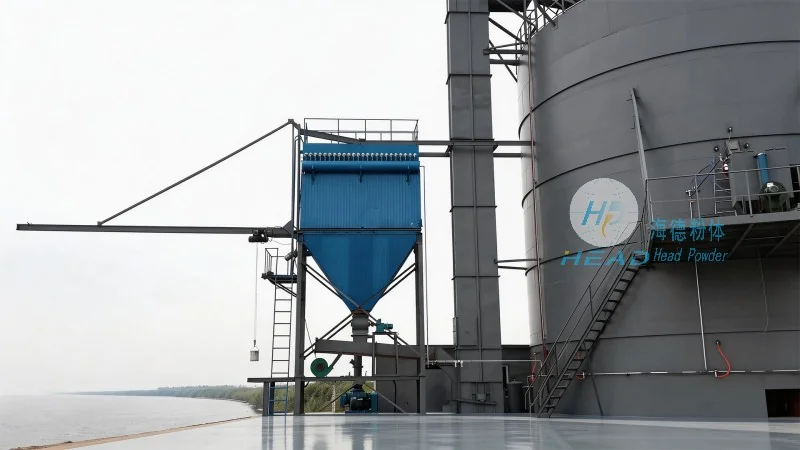
- Separation and Collection System: At the receiving end, this system separates the copper oxide from the air stream and collects it in a designated container. Cyclone separators or bag filters are commonly employed to achieve high separation efficiency, ensuring that the copper oxide is recovered with minimal loss.
- Control and Monitoring Equipment: Advanced control systems are integrated to monitor and regulate the operation of the conveying system. Sensors and controllers help maintain optimal pressure, flow rates, and material levels, enhancing the system's performance and safety.
Structural Principles of Copper Oxide Pneumatic Conveying
The structural principles of copper oxide pneumatic conveying systems are based on the fundamental physics of fluid dynamics and material transport. The primary principle is the use of air as a carrier medium to entrain and transport the copper oxide particles. This process involves several key mechanisms:
- Drag and Lift Forces: As air flows through the conveying pipe, it exerts drag forces on the copper oxide particles, lifting them off the pipe walls and carrying them forward. The velocity of the air stream is critical; it must be sufficient to overcome the gravitational force acting on the particles and maintain their suspension.
- Pressure Drop Management: The system is designed to manage pressure drop along the pipeline to ensure consistent conveying performance. Proper pipe sizing, bends, and fittings are used to minimize energy loss and prevent excessive pressure buildup or drop that could lead to material deposition or system failure.
- Material Handling Considerations: Copper oxide's properties, such as its density and potential for static charge, are considered in the system's design. Anti-static measures and appropriate pipe materials are incorporated to prevent material buildup and ensure safe operation.
Advantages of Copper Oxide Pneumatic Conveying Systems
Implementing a copper oxide pneumatic conveying system offers several advantages over traditional methods like belt conveyors or bucket elevators. These benefits include:
- Non-Contact Handling: The material is never in direct contact with the conveying equipment, reducing the risk of contamination and wear on the copper oxide particles.
- Low Maintenance: Pneumatic systems have fewer moving parts compared to mechanical conveyors, resulting in lower maintenance costs and longer equipment life.
- Flexibility in Layout: The system can be easily reconfigured or expanded to accommodate changes in production requirements or facility layout.
- Energy Efficiency: Modern pneumatic conveying systems are designed to be energy-efficient, using less power than traditional methods while achieving high conveying rates.
- Safety and Environmental Benefits: The enclosed system prevents dust emissions and minimizes the risk of material spillage, contributing to a safer and more environmentally friendly operation.
Conclusion
HeadPowder's expertise in designing and manufacturing copper oxide pneumatic conveying systems ensures that industrial facilities can achieve efficient, reliable, and safe material transport. By understanding the key equipment and structural principles, companies can make informed decisions about implementing these systems, leading to improved operational performance and cost savings. With a strong presence in Shandong, China, HeadPowder continues to provide high-quality solutions tailored to the unique needs of copper oxide handling in various industries.




