HeadPowder, a leading engineering firm based in Shandong, China, specializes in the design and implementation of advanced material handling solutions. This article provides an overview of the structure and operational principles of a manganese carbonate pneumatic conveying system, highlighting key components and their functions.
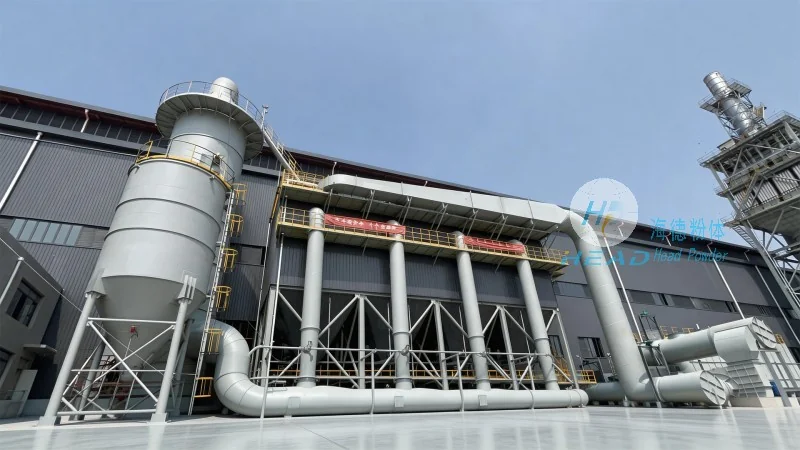
Overview of the Manganese Carbonate Pneumatic Conveying System
A pneumatic conveying system for manganese carbonate is engineered to efficiently transport the material from storage to processing or packaging areas. The system typically consists of several interconnected components that work in tandem to ensure reliable and low-maintenance operation. These components include a feeding unit, a conveying pipeline network, a separation system, and a control panel. Each part plays a critical role in the overall performance of the system.
Key Structural Components and Their Functions
The feeding unit is responsible for introducing the manganese carbonate into the system. It may feature a hopper with a metering valve or a rotary valve to regulate the flow rate, ensuring consistent material delivery. The conveying pipeline, often made of stainless steel or other corrosion-resistant materials, is designed to handle the abrasive nature of the carbonate particles. The pipeline network includes bends, straight sections, and possibly vertical lifts, all of which are carefully engineered to minimize pressure drop and prevent material degradation.
The separation system is a crucial component for maintaining system efficiency. It typically includes a cyclone separator or a bag filter that separates the conveyed material from the air stream. The separated material is then collected in a receiving hopper, while the air is either recycled back into the system or discharged to the atmosphere. This separation process is essential for preventing material buildup in the pipeline and ensuring the system operates at optimal pressure levels.
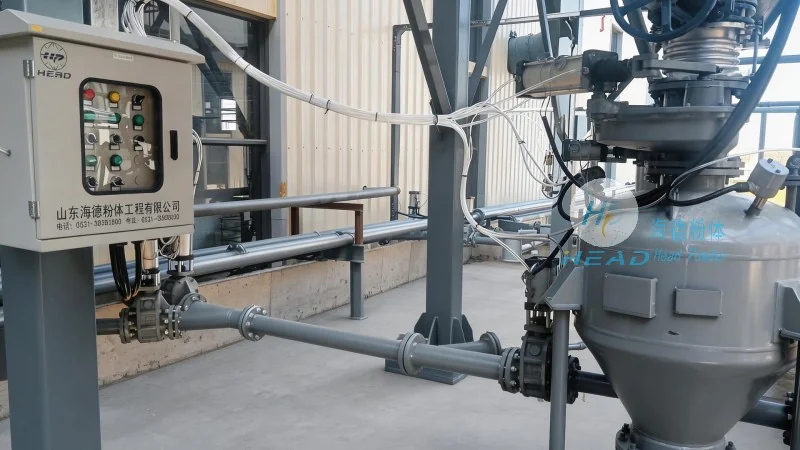
Working Principle of the Pneumatic Conveying Process
The operation of the manganese carbonate pneumatic conveying system is based on the principle of using compressed air to transport the material. The process begins with the material being fed into the system at a controlled rate. Compressed air is then introduced into the conveying pipeline, creating a flow that propels the material particles forward. The air velocity is carefully managed to ensure that the particles remain suspended and are transported without causing excessive wear on the pipeline or components.
As the material travels through the pipeline, it may encounter various sections, such as bends or vertical lifts, which are designed to maintain the material's suspension. The separation system then captures the material from the air stream, allowing the air to be recirculated or vented. This continuous cycle of material feeding, air propulsion, and separation enables the system to transport manganese carbonate efficiently and reliably.
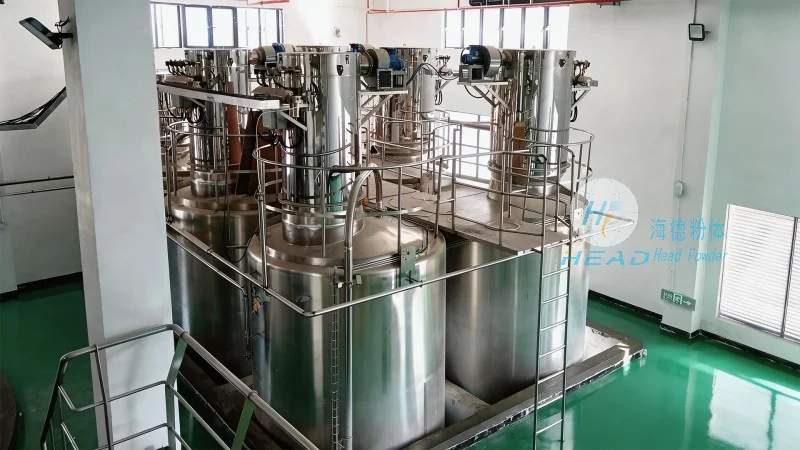
Advantages of the Pneumatic Conveying System for Manganese Carbonate
Implementing a pneumatic conveying system for manganese carbonate offers several advantages over traditional mechanical conveying methods. One of the primary benefits is the ability to handle abrasive materials without significant wear on the system components. The enclosed pipeline design also prevents dust emissions, enhancing workplace safety and compliance with environmental regulations. Additionally, the system can be easily integrated with other processing equipment, providing a seamless material flow from storage to final use.
Another advantage is the flexibility in system design, allowing for customization based on the specific requirements of the application. Whether for small-scale laboratory use or large industrial production, the system can be scaled to meet the needs of the operation. The low maintenance requirements and the ability to operate in a closed environment also contribute to the overall cost-effectiveness of the pneumatic conveying system.
Conclusion
Shandong HeadPowder Engineering Co., Ltd. specializes in the design and installation of high-quality pneumatic conveying systems for manganese carbonate. By leveraging advanced engineering principles and robust component design, the company ensures that its systems deliver reliable performance and meet the stringent requirements of industrial applications. The structure and working principle of the system, as outlined above, highlight the efficiency and effectiveness of pneumatic conveying technology in handling this important material.




