HeadPowder, a leading manufacturer based in Shandong, China, specializes in the design and production of advanced centralized material feeding systems. These systems are engineered to optimize material handling processes across various industrial applications, offering enhanced efficiency, precision, and safety. This article delves into the fundamental principles of such equipment and highlights the key characteristics of its working scenarios.
Understanding the Core Principles of Centralized Material Feeding Systems
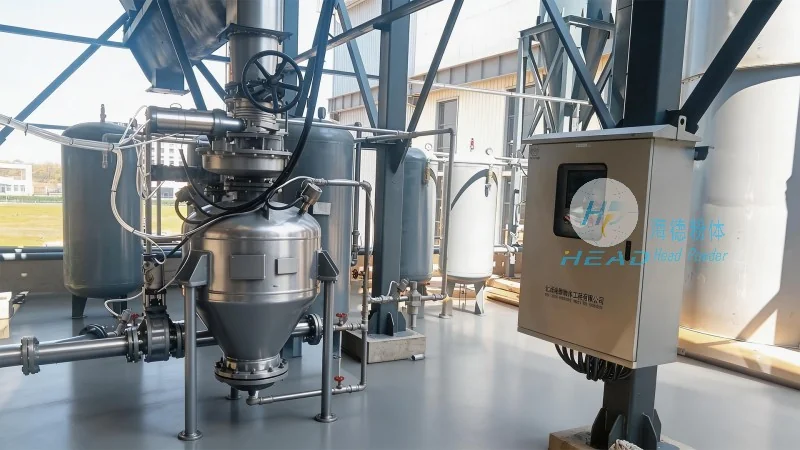
Centralized material feeding systems operate on a centralized distribution model, where raw materials are stored in a main hopper or silo and then transported to multiple processing points through a network of conveying mechanisms. The core principle revolves around the seamless integration of storage, conveying, and dispensing technologies to ensure a continuous and controlled flow of materials. Key components typically include bulk material storage units, conveying systems (such as screw conveyors, pneumatic conveyors, or belt conveyors), material separation and cleaning devices, and automated dispensing mechanisms. The system is often equipped with advanced control systems that monitor and regulate the flow of materials, ensuring consistent performance and minimizing downtime.
Key Working Scene Characteristics of Centralized Material Feeding Systems
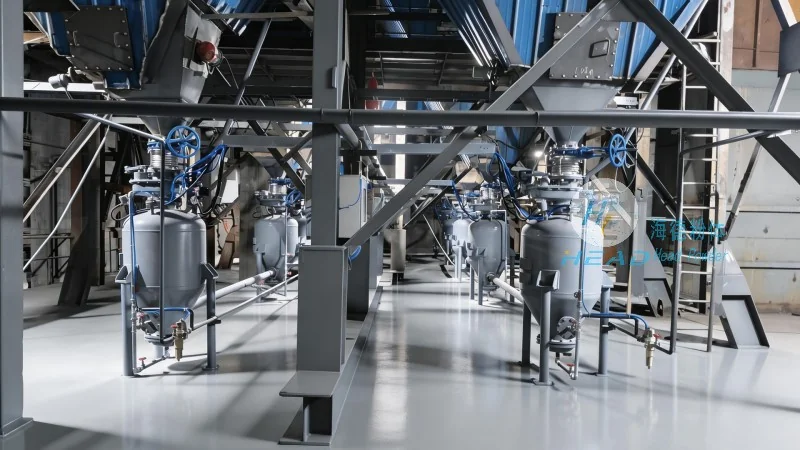
The working scene characteristics of centralized material feeding systems are tailored to meet the diverse demands of industrial environments. These systems are widely adopted in sectors like pharmaceuticals, food processing, chemical manufacturing, and metalworking, where precision and hygiene are paramount. In pharmaceutical applications, for instance, the systems are designed to maintain stringent contamination control, with features like dust filtration and sterile material handling to comply with regulatory standards. In food processing, the equipment is constructed from food-grade materials and equipped with sanitary design elements to ensure product safety and meet hygiene requirements. The flexibility of these systems allows them to adapt to different material types, including powders, granules, and bulk solids, making them suitable for a wide range of production lines.
Advantages and Practical Applications in Diverse Industries
One of the primary advantages of centralized material feeding systems is their ability to reduce material handling costs and improve operational efficiency. By consolidating material storage and conveying functions into a single unit, businesses can minimize the need for manual labor and reduce the risk of material loss or contamination. The automated dispensing mechanisms ensure consistent material delivery, which is crucial for maintaining product quality and reducing waste. In metalworking industries, these systems are often integrated with automated production lines, enabling real-time material replenishment and supporting high-speed manufacturing processes. The scalability of centralized feeding systems also allows them to be customized to fit the specific needs of different production scales, from small-scale batch operations to large-scale continuous production.
Conclusion: Enhancing Productivity with Centralized Material Feeding Solutions
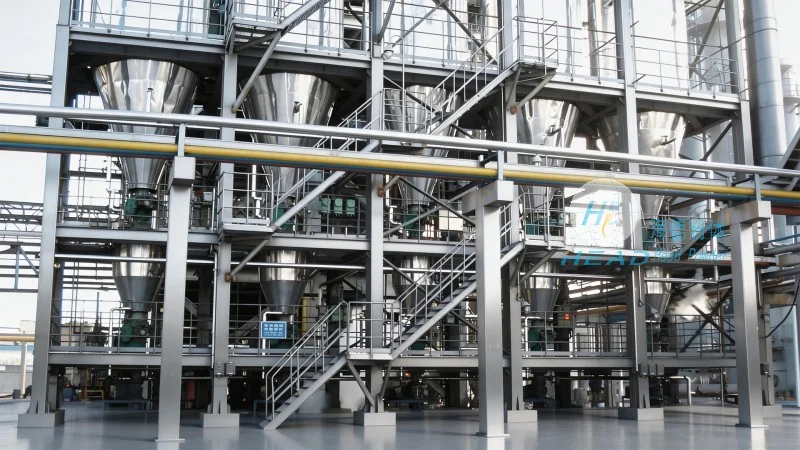
Centralized material feeding systems represent a sophisticated solution for modern industrial material handling challenges. By leveraging advanced technology and tailored design, these systems enhance productivity, improve safety, and ensure compliance with industry standards. As a trusted provider, HeadPowder continues to innovate in this field, offering customized solutions that meet the evolving needs of various industries. The principles and working scene characteristics discussed here underscore the importance of such systems in optimizing material flow and driving operational excellence.




