High-pressure dilute-phase pneumatic conveying systems represent a sophisticated method for transporting bulk materials through a pipeline using pressurized air or gas. This technology is widely adopted in various industrial sectors due to its efficiency, flexibility, and ability to handle a wide range of materials, from powders to granules. The core principle involves suspending the material particles in a high-velocity air stream, enabling them to be transported over long distances with minimal degradation. The system's design typically includes key components such as a positive displacement blower or compressor, a hopper for material storage, a conveying line, and a discharge mechanism. Each component plays a critical role in ensuring the system operates efficiently and reliably.
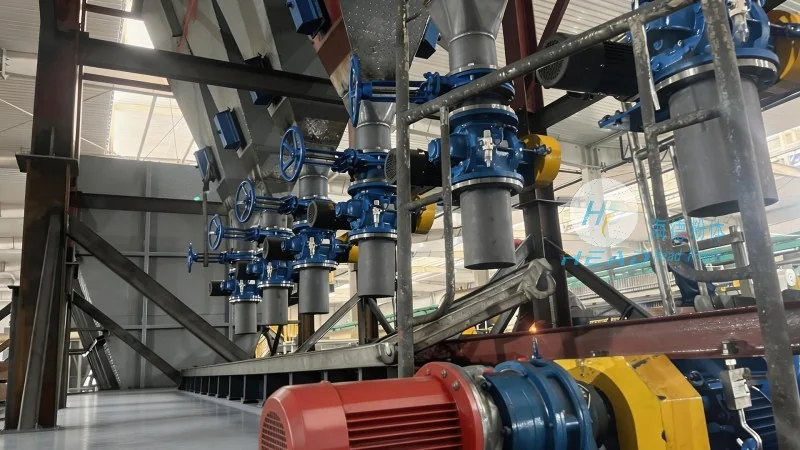
Structural Principles of High-Pressure Dilute-Phase Pneumatic Conveying
The structural design of a high-pressure dilute-phase pneumatic conveying system is engineered to optimize material transport under high pressure conditions. The system operates by creating a high-pressure air flow within the pipeline, which lifts and propels the material particles. The key components include: 1. **Air Supply Unit**: This component, often a positive displacement blower or a high-pressure compressor, generates the necessary pressure and airflow to move the material. The choice of equipment depends on the material characteristics, such as particle size, density, and moisture content, as well as the required conveying distance and throughput. 2. **Material Hopper and Feeder**: The hopper serves as a storage vessel for the bulk material, while the feeder (usually a rotary valve or a screw feeder) controls the material flow into the conveying line. Proper feeding is crucial to maintain a consistent material concentration in the air stream, preventing blockages and ensuring smooth operation. 3. **Conveying Pipeline**: The pipeline is typically made of materials like stainless steel or plastic, selected based on the material's corrosiveness and abrasiveness. The pipeline diameter and length are carefully designed to minimize pressure drop and energy consumption. 4. **Discharge and Cleaning System**: At the receiving end, the material is discharged into a collection hopper or silo. The system may also include a cleaning mechanism to remove any residual material from the pipeline, ensuring the system remains operational over time. The structural integration of these components ensures the system can handle high-pressure conditions while maintaining material integrity and operational efficiency.
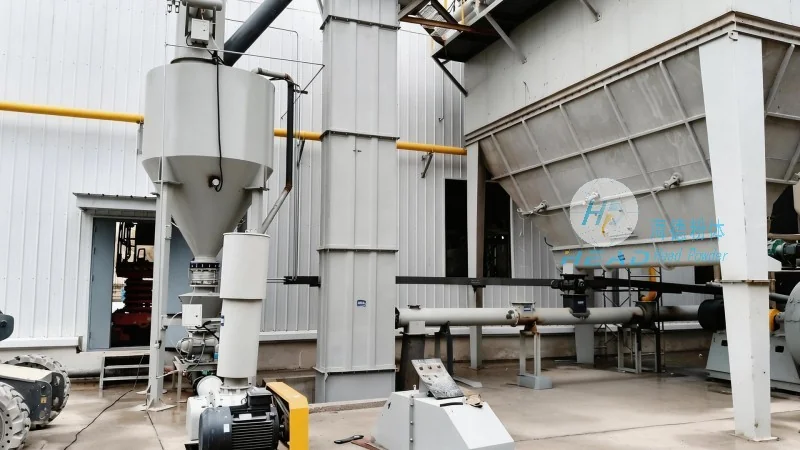
About Shandong HeadPowder Engineering Co., Ltd.
Shandong HeadPowder Engineering Co., Ltd., operating under the brand name headpowder, specializes in the design, manufacturing, and installation of advanced pneumatic conveying systems. With a focus on high-pressure dilute-phase technology, the company provides customized solutions tailored to the specific needs of various industries, including food processing, chemical manufacturing, and pharmaceuticals. The company's engineering expertise ensures that each system is optimized for performance, reliability, and durability, meeting the stringent requirements of modern industrial applications. HeadPowder's commitment to quality and innovation has established it as a leading provider in the field of pneumatic conveying technology.
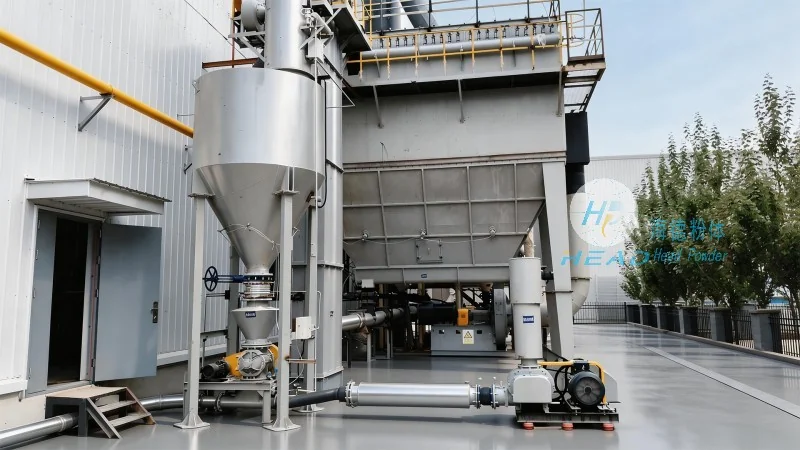
Advantages and Applications of High-Pressure Dilute-Phase Pneumatic Conveying
High-pressure dilute-phase pneumatic conveying systems offer several advantages over traditional conveying methods, such as mechanical conveyors or vacuum systems. These include: 1. **Versatility**: The system can handle a wide range of materials, including fine powders, granules, and even sticky or abrasive substances, without causing degradation or contamination. 2. **Cleanliness and Hygiene**: The enclosed pipeline design prevents dust contamination and ensures a clean working environment, which is particularly important in industries like food and pharmaceuticals. 3. **Energy Efficiency**: By optimizing pressure and airflow, the system minimizes energy consumption while maintaining high throughput. 4. **Space Efficiency**: The compact design of the system allows for installation in limited spaces, making it suitable for retrofitting existing facilities. The applications of this technology span multiple industries, including chemical processing, where it is used to transport raw materials and finished products; food processing, where it handles ingredients like flour and sugar; and pharmaceutical manufacturing, where it ensures the safe and hygienic transport of active ingredients and excipients. The ability to transport materials over long distances with minimal maintenance makes it a preferred choice for many industrial operations.




