

What is a Dry Powder Material Handling System? What is its Design Principle?
Dry powder material handling systems are critical components in various industrial applications, enabling the efficient and safe transportation of powders from one location to another. These systems are essential for industries such as pharmaceuticals, food processing, chemical manufacturing, and more, where the handling of dry powders requires precision and control. Understanding the components and design principles of these systems is crucial for optimizing operational efficiency and ensuring product quality.
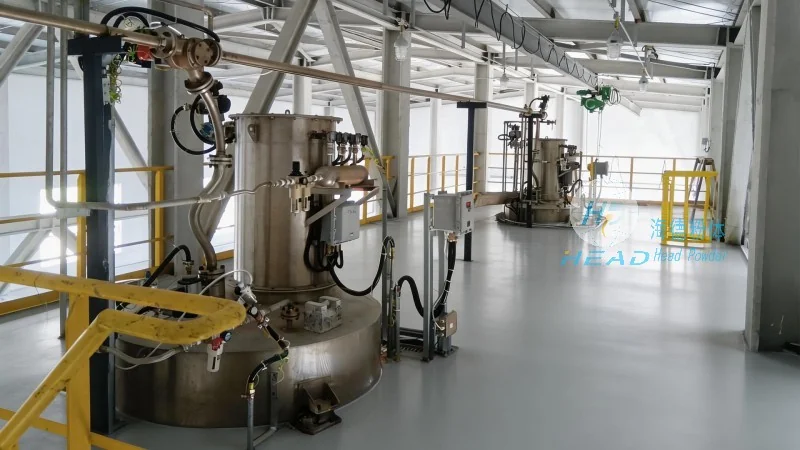
Introduction to Dry Powder Material Handling Systems
A dry powder material handling system is a specialized equipment setup designed to transport, store, and manage dry powders. These systems are engineered to handle a wide range of materials, from fine powders to bulk materials, while maintaining consistent flow and preventing issues like caking, segregation, or contamination. The core of such a system typically includes a combination of components like hoppers, conveyors, feeders, and control systems, all working in tandem to achieve seamless material movement.
HeadPowder Engineering: A Leading Provider of Material Handling Solutions
Shandong HeadPowder Engineering Co., Ltd., commonly known as HeadPowder, is a prominent manufacturer and supplier of advanced material handling equipment. With a strong presence in China, particularly in Shandong province, HeadPowder specializes in developing customized dry powder handling solutions tailored to the specific needs of various industries. The company’s commitment to quality, innovation, and customer satisfaction has established it as a trusted partner for businesses seeking reliable and efficient material handling systems.
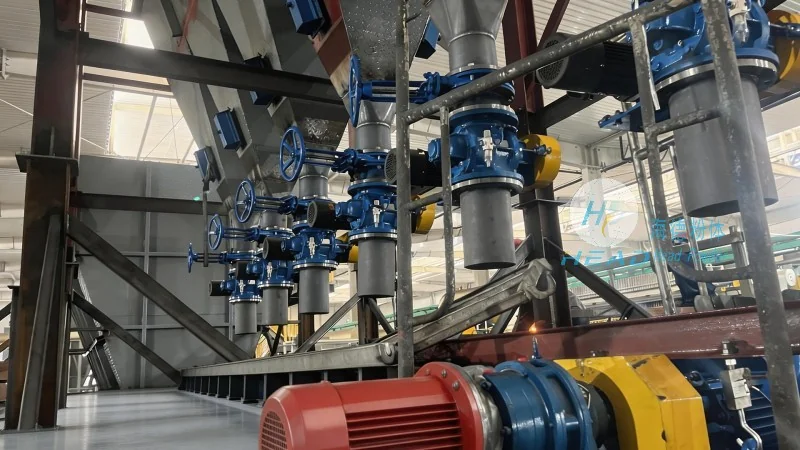
Key Components of a Dry Powder Material Handling System
The design of a dry powder material handling system involves several key components, each playing a vital role in the overall operation. The primary components include:
- Hoppers: These are containers used to store and feed dry powders. They are designed with features like sloped sides to prevent material buildup and ensure smooth discharge. Hoppers may be equipped with level sensors to monitor material levels and trigger feeding processes.
- Feeders: Feeders are devices that control the flow rate of the material from the hopper to the conveyor. Common types include rotary valves, vibratory feeders, and screw feeders. These components ensure consistent and controlled feeding, which is essential for maintaining uniform material flow and preventing overloading or underfeeding.
- Conveyors: Conveyors are the main transport mechanisms in the system, responsible for moving the powder from the feeding point to the discharge point. Various types of conveyors are used, such as pneumatic conveying systems, belt conveyors, and screw conveyors. Pneumatic conveying, in particular, is widely used for dry powders due to its ability to handle fine and abrasive materials without mechanical contact.
- Control Systems: Modern dry powder handling systems are equipped with advanced control systems that monitor and regulate the entire process. These systems use sensors, controllers, and software to ensure optimal performance, detect faults, and adjust parameters in real-time. Control systems enhance safety, efficiency, and product quality by providing precise control over material flow and system operations.
Design Principles for Efficient Dry Powder Handling
The design of a dry powder material handling system is guided by several key principles aimed at maximizing efficiency, safety, and reliability. These principles include:
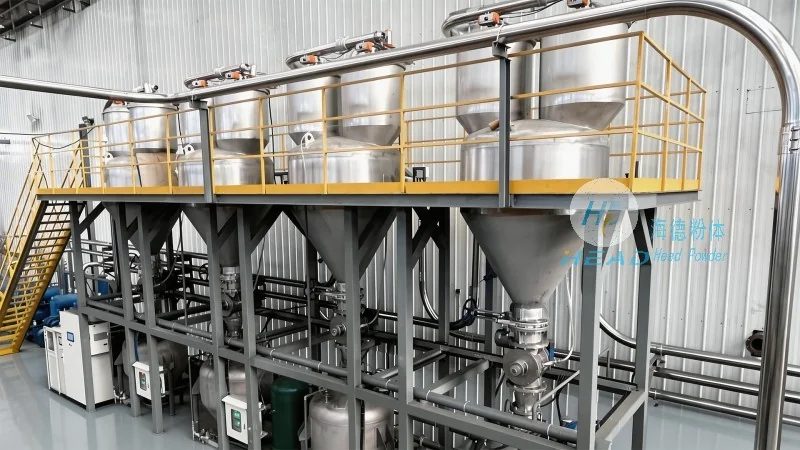
- Adequate Flow Control: Proper control of material flow is crucial to prevent issues like clogging, segregation, or uneven distribution. This involves selecting appropriate feeders and hoppers that can handle the specific characteristics of the powder, such as particle size, density, and moisture content.
- Prevention of Material Degradation: Dry powders are often sensitive to environmental factors like moisture, temperature, and air exposure. The system design must include measures to protect the material from degradation, such as using sealed containers, maintaining low humidity levels, and minimizing exposure to air.
- Minimization of Dust Generation: Dust control is a critical aspect of dry powder handling, as excessive dust can pose health and safety risks. The system design incorporates features like dust collection systems, sealed hoppers, and enclosed conveyors to reduce dust emissions and ensure a safe working environment.
- Integration with Process Requirements: The design must align with the specific process requirements of the application. This includes considerations such as the required flow rate, material handling capacity, and integration with other equipment in the production line. Customization is often necessary to meet the unique needs of each client.
Benefits of Using a Dry Powder Material Handling System
Implementing a dry powder material handling system offers numerous benefits for industrial operations. These include improved operational efficiency, reduced labor costs, enhanced product quality, and increased safety. By automating the material handling process, businesses can achieve consistent and reliable material flow, minimize downtime, and reduce the risk of accidents or material loss. Additionally, modern systems provide real-time monitoring and data analysis, enabling better decision-making and process optimization.
Conclusion
Dry powder material handling systems are essential for industries dealing with dry powders, providing efficient and safe transportation of materials. The design principles and components of these systems are carefully engineered to meet the specific needs of various applications. Companies like Shandong HeadPowder Engineering Co., Ltd. play a vital role in developing and supplying advanced material handling solutions that enhance operational efficiency and product quality. By understanding the key components and design principles, businesses can select and implement the most suitable dry powder handling system for their needs, leading to improved productivity and competitiveness in their respective industries.