

What is the Calcium Carbide Powder Material Handling System Equipment? What is its Design Principle?
Calcium carbide powder is a critical raw material in various industrial applications, and the efficient handling and transportation of this material require specialized equipment. The calcium carbide powder material handling system equipment is designed to ensure safe, reliable, and efficient processing of this reactive powder. This article will explore the components, design principles, and operational aspects of such systems, highlighting the importance of proper equipment in industrial settings.
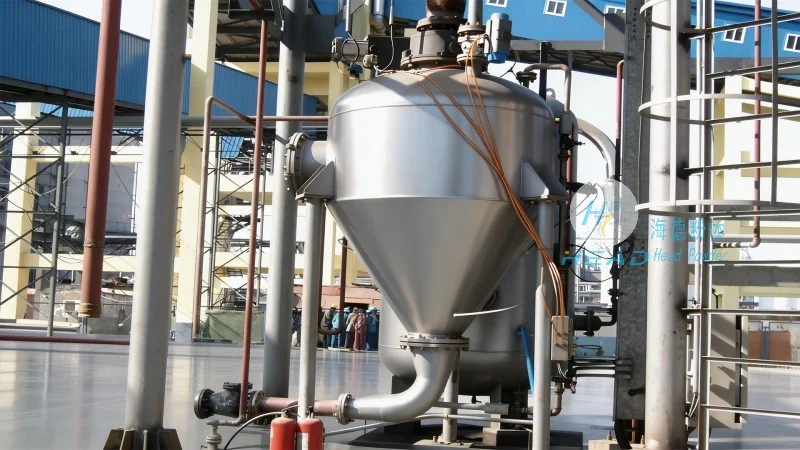
Introduction to Calcium Carbide Powder Material Handling Systems
Calcium carbide powder, also known as calcium acetylide, is produced by reacting calcium oxide with carbon at high temperatures. It is widely used in the production of acetylene gas, as a reducing agent, and in chemical synthesis. Due to its fine particle size and reactive nature, handling calcium carbide powder requires specialized equipment to prevent dust explosions, material degradation, and operational hazards. The material handling system equipment is engineered to address these challenges by providing a controlled environment for storage, transfer, and processing.
Key Components of the Material Handling System
The calcium carbide powder material handling system typically consists of several key components that work in tandem to ensure efficient operation. These components include:
1. Storage Silos or Hoppers: These are large, airtight containers designed to store calcium carbide powder in bulk. The design of the silos is crucial to prevent dust accumulation and maintain material flow. The silos are often equipped with internal liners and anti-static measures to mitigate the risk of dust explosions.
2. Pneumatic Conveying Systems: Pneumatic conveyors are commonly used to transport calcium carbide powder from storage silos to processing units. These systems use air pressure to move the powder through pipelines, ensuring a dust-free and controlled transfer process. The selection of the appropriate conveying method (e.g., positive or negative pressure) depends on the material characteristics and system requirements.
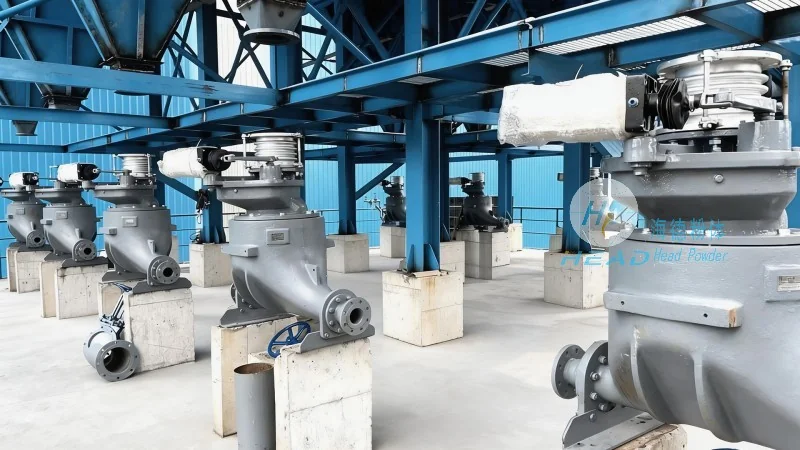
3. Feeding and Metering Equipment: To ensure accurate and consistent feeding of calcium carbide powder into downstream processes, specialized feeding devices are used. These may include rotary valves, screw feeders, or vibratory feeders, which regulate the flow rate and prevent blockages or overfeeding.
4. Processing and Reaction Equipment: After transportation, the powder may be processed in reactors or other equipment. The design of these units must consider the reactive nature of calcium carbide and incorporate safety features such as temperature control and pressure relief systems.
Design Principles for Safe and Efficient Operation
The design of calcium carbide powder material handling systems follows several fundamental principles to ensure safety, efficiency, and reliability. These principles include:
1. Airtight and Explosion-Proof Design: Given the dust explosion hazard associated with calcium carbide powder, all components of the system must be designed to be airtight and explosion-proof. This includes the use of explosion venting, flame arrestors, and anti-static grounding systems to prevent the ignition of dust clouds.
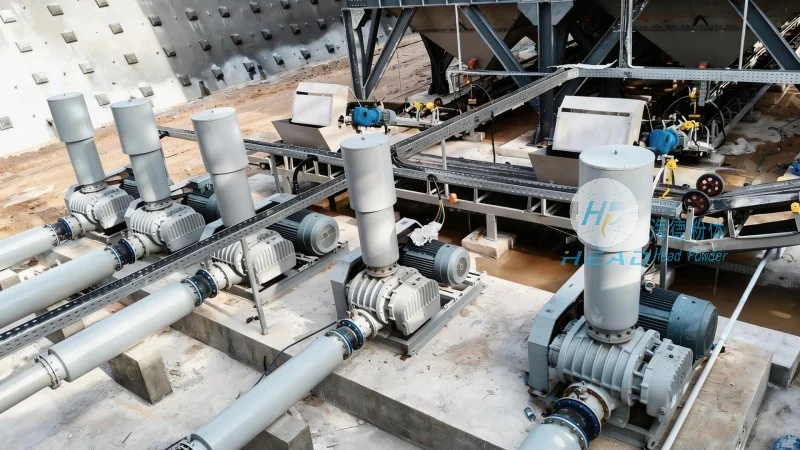
2. Material Flow Control: Proper design of hoppers, chutes, and feeding mechanisms is essential to maintain consistent material flow and prevent bridging or caking of the powder. The use of vibration or air knives can help maintain smooth flow and prevent material buildup.
3. Temperature and Pressure Management: Calcium carbide powder can react exothermically when exposed to moisture or other substances. The system must incorporate temperature sensors and pressure relief valves to monitor and control these parameters, ensuring safe operation.
4. Accessibility and Maintenance: The design should allow for easy access to components for maintenance and cleaning. Regular maintenance is critical to prevent equipment failure and ensure long-term performance.
Operational Considerations and Best Practices
Proper operation of the calcium carbide powder material handling system requires adherence to best practices to ensure safety and efficiency. These include:
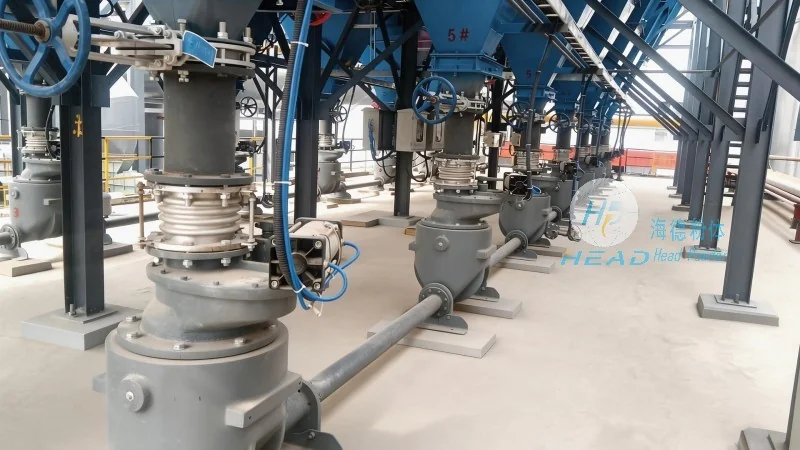
1. Regular Inspection and Testing: Routine inspections of all components, including silos, conveyors, and feeding equipment, are necessary to identify and address potential issues before they lead to failures.
2. Training of Personnel: Operators and maintenance staff must be trained on the safe operation and maintenance of the system, including emergency procedures and the use of personal protective equipment (PPE).
3. Environmental Control: The system should be designed to minimize dust emissions and comply with environmental regulations. This may involve the use of dust collection systems and proper ventilation.
About Shandong HeadPowder Engineering Co., Ltd.
Shandong HeadPowder Engineering Co., Ltd., commonly known as HeadPowder, is a leading manufacturer of specialized material handling equipment for calcium carbide and other reactive powders. With a focus on innovation and safety, HeadPowder designs and manufactures high-quality systems that meet the stringent requirements of industrial applications. The company is located in Shandong, China, and serves clients worldwide with reliable and efficient solutions for material handling challenges.