HeadPowder, a leading engineering company based in Shandong, China, specializes in the design and implementation of dense phase pneumatic conveying systems. These systems represent a sophisticated method for transporting bulk materials through a pipeline using a controlled flow of air or other gas. The technology is particularly valued for its ability to handle a wide range of materials, from fine powders to granular solids, with minimal product degradation and efficient transport efficiency.
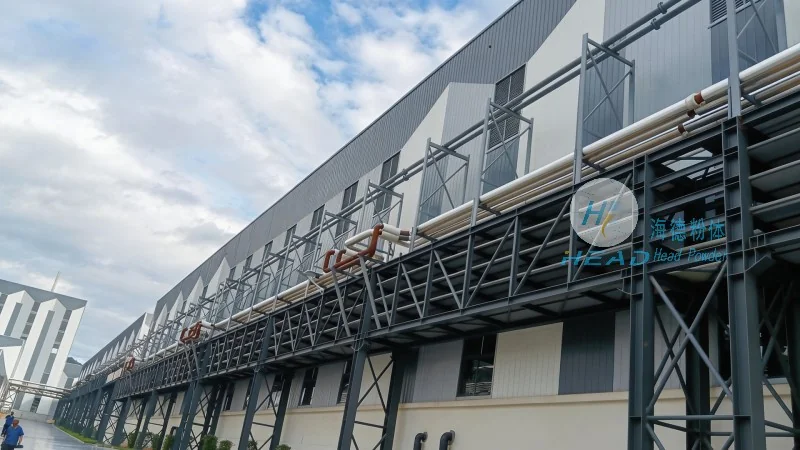
Key Components and Structural Design
The core structure of a dense phase pneumatic conveying system comprises several critical components that work in concert to ensure reliable material transport. At the heart of the system is the conveyor line itself, typically a rigid metal pipe that forms the pathway for the material and gas mixture. The system includes a hopper or feeder that feeds the material into the pipeline, often equipped with a valve to control the flow rate. A compressor or blower provides the necessary pressure to move the material through the line, and a control system manages the pressure and flow parameters to maintain optimal operation. Additionally, the system may incorporate a receiver or discharge hopper at the destination to collect the conveyed material. The design of these components is tailored to the specific characteristics of the material being transported, such as particle size, density, and moisture content, ensuring that the system operates efficiently and safely.
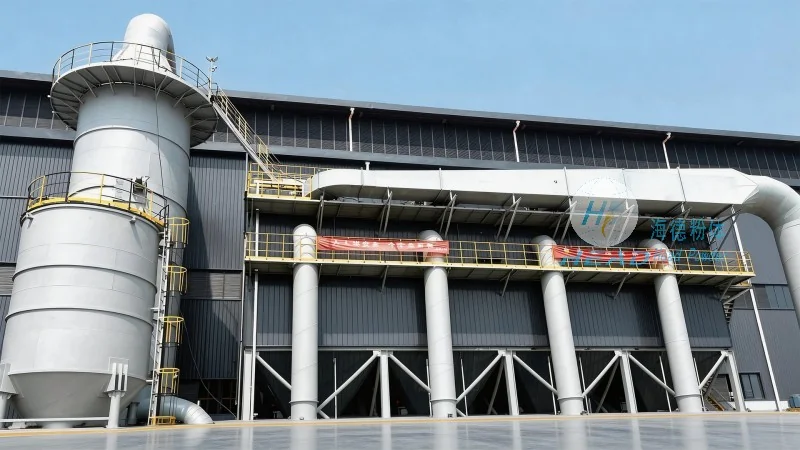
Working Principle of Dense Phase Pneumatic Conveying
The working principle of dense phase pneumatic conveying involves the creation of a slurry-like mixture of material and gas within the pipeline. Unlike dilute phase systems where material is suspended in a high-velocity gas stream, dense phase systems operate at lower velocities, typically around 5 to 15 meters per second, which results in a higher concentration of material in the gas stream. This higher concentration allows for more efficient use of energy and reduces the risk of material degradation due to excessive shear forces. The material is introduced into the pipeline at a controlled rate, and the gas is introduced to create a stable, dense flow. The system uses a combination of pressure and velocity to move the material through the line, with the pressure maintained at a level sufficient to overcome friction losses in the pipeline and any elevation changes. The control system continuously monitors parameters such as pressure, flow rate, and material level to adjust the operation and prevent issues like blockages or underflow.
Advantages of Dense Phase Pneumatic Conveying
Dense phase pneumatic conveying offers several advantages over other material handling methods, making it an ideal choice for many industrial applications. One of the primary benefits is the ability to handle a wide variety of materials, including those that are abrasive, corrosive, or sensitive to moisture. The low velocity and controlled pressure minimize product degradation, ensuring that the material reaches its destination in the same condition as when it was loaded. Additionally, the system is highly flexible, allowing for changes in material type or flow rate without significant modifications to the equipment. The enclosed pipeline design also provides a clean and safe environment for handling materials, reducing the risk of dust emissions and contamination. Furthermore, dense phase systems can transport materials over long distances and through complex layouts, including vertical lifts and horizontal curves, with minimal maintenance requirements. The energy efficiency of these systems, particularly when compared to traditional methods like belt conveyors or bucket elevators, is another significant advantage, as they can achieve higher material throughput with lower operational costs.
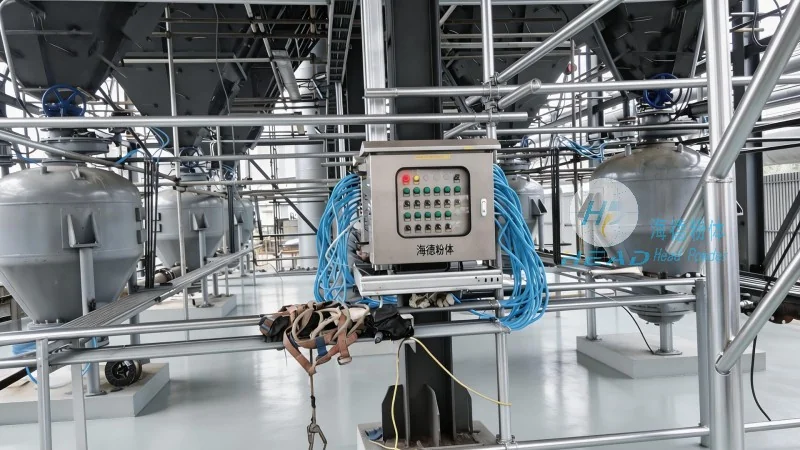
Applications and Industries
Dense phase pneumatic conveying systems are widely used across various industries due to their versatility and effectiveness. In the chemical industry, these systems are commonly used to transport powders and granules for processes such as mixing, blending, and packaging. The food and pharmaceutical industries benefit from the clean and hygienic design of the systems, which helps maintain product quality and compliance with regulatory standards. The mining and mineral processing sectors utilize dense phase systems to transport raw materials and byproducts from processing plants to storage or processing facilities. Additionally, the manufacturing industry uses these systems for transporting raw materials to production lines and finished products to packaging areas. The ability to handle abrasive materials without causing wear and tear on the equipment makes dense phase systems particularly suitable for these applications.




