Understanding the fundamentals of dry ash pneumatic conveying is crucial for industries dealing with bulk material handling, particularly in power plants and industrial facilities where ash management is a key operational concern. This article provides an overview of the dry ash pneumatic conveying system, focusing on its structural components and the underlying principles that enable efficient material transport. The system is designed to handle dry ash from boilers and other combustion processes, ensuring safe and effective removal from the source to designated disposal or processing locations.
Key Structural Components of Dry Ash Pneumatic Conveying Systems
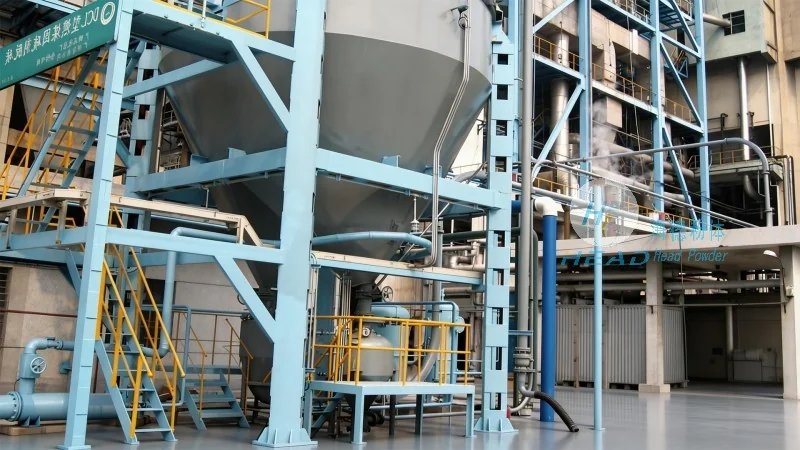
The dry ash pneumatic conveying system consists of several critical components that work in tandem to achieve reliable material transport. These components include the ash collection hopper, the conveying pipeline, the air supply system (including blowers or compressors), and the control mechanisms. Each part plays a vital role in the overall functionality of the system. The ash collection hopper is typically located at the bottom of the boiler or ash handling equipment, where ash accumulates. It is designed to collect ash and feed it into the conveying pipeline through a feed mechanism, such as a rotary valve or a screw feeder. The conveying pipeline is usually made of stainless steel or other corrosion-resistant materials to withstand the abrasive nature of ash particles and the potential presence of moisture or chemicals. The air supply system provides the necessary pressure and volume of air to move the ash particles through the pipeline. This can be achieved using positive displacement blowers or centrifugal compressors, depending on the system design and the required conveying distance and material characteristics. The control mechanisms, including pressure sensors, flow meters, and valves, ensure that the system operates within safe and efficient parameters, preventing blockages and maintaining consistent performance.
Working Principles of Dry Ash Pneumatic Conveying
The core principle of dry ash pneumatic conveying is the use of air to transport dry particles in a pipeline. This method, also known as pneumatic transport, relies on the creation of a high-velocity air stream that entrains the ash particles and carries them through the system. The process begins with the ash being fed from the collection hopper into the conveying pipeline. The air supply system then introduces a high-pressure air flow into the pipeline, which creates a negative pressure or a high-velocity flow that pulls the ash particles along with it. The air and ash mixture travels through the pipeline to the discharge point, where the ash is separated from the air and deposited into a storage or disposal container. The air, now carrying only fine particles or moisture, is typically filtered and recycled back into the system to improve efficiency and reduce waste. The efficiency of the pneumatic conveying system depends on several factors, including the air velocity, the particle size and density of the ash, the pipeline diameter, and the length of the conveying line. Proper design and maintenance of the system are essential to ensure optimal performance and minimize operational issues such as blockages or air leakage.
Applications and Benefits of Dry Ash Pneumatic Conveying
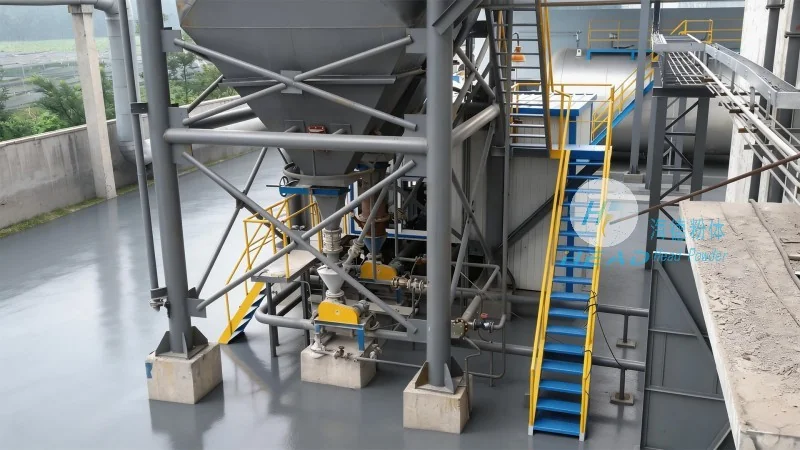
Dry ash pneumatic conveying is widely used in various industrial applications, particularly in the power generation industry. It is an effective method for transporting ash from coal-fired power plants, where large quantities of ash are generated during the combustion process. The system allows for the safe and efficient removal of ash from the boiler to a disposal site or for further processing, such as recycling or reuse. Other applications include the handling of ash from incineration plants, industrial boilers, and other combustion processes. The benefits of using dry ash pneumatic conveying include reduced labor costs, improved safety by minimizing manual handling of ash, and increased operational efficiency. The system can handle large volumes of ash over long distances, making it suitable for facilities with extensive ash handling requirements. Additionally, the use of pneumatic conveying reduces the risk of dust emissions and environmental contamination compared to traditional methods such as truck transport or manual handling.
Maintenance and Operational Considerations
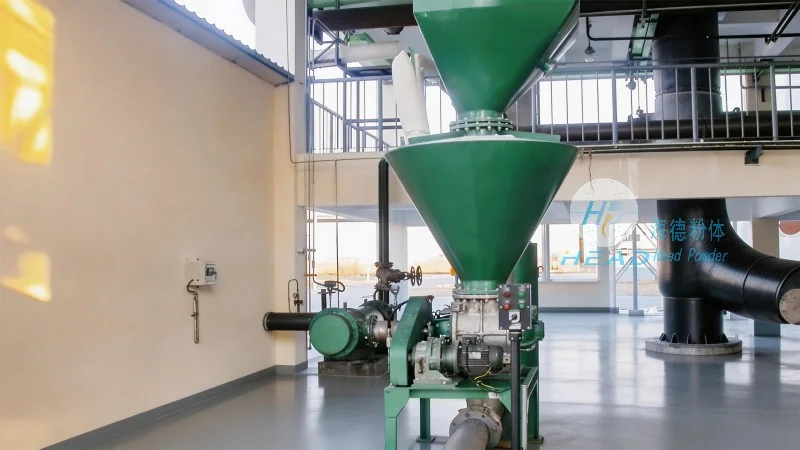
Proper maintenance and operational management are critical to ensure the longevity and efficiency of dry ash pneumatic conveying systems. Regular inspection and maintenance of the components, such as the ash collection hopper, conveying pipeline, and air supply system, are essential to prevent issues such as blockages, corrosion, or air leakage. The feed mechanism, including rotary valves and screw feeders, should be checked regularly to ensure proper operation and prevent material buildup. The air supply system should be maintained to ensure consistent pressure and air flow, as fluctuations can affect the system's performance. Additionally, the control mechanisms, including pressure sensors and flow meters, should be calibrated regularly to maintain accurate monitoring of the system's operation. Proper training of personnel on the operation and maintenance of the system is also important to ensure safe and efficient operation. By following these maintenance and operational guidelines, facilities can maximize the lifespan of their dry ash pneumatic conveying systems and minimize downtime or operational issues.
About Shandong HeadPowder Engineering Co., Ltd.
Shandong HeadPowder Engineering Co., Ltd., operating under the brand name headpowder, is a leading provider of engineering solutions for bulk material handling systems. With a focus on innovation and quality, the company specializes in the design, manufacturing, and installation of pneumatic conveying systems, including dry ash handling solutions. Headpowder's expertise lies in understanding the unique challenges of ash management in power plants and industrial facilities, and developing tailored solutions to meet the specific needs of each client. The company's team of experienced engineers and technicians work closely with clients to assess their operational requirements and provide customized system designs that optimize performance and efficiency. Headpowder is committed to delivering reliable and durable equipment that meets industry standards and enhances the safety and productivity of its clients' operations. With a strong presence in China, particularly in Shandong province, headpowder serves a wide range of industries, including power generation, cement, and chemical processing, providing comprehensive solutions for material handling challenges.




