For manufacturers in the sweet potato starch industry, efficient and reliable material handling is crucial to maintaining production efficiency and product quality. The pneumatic conveying line, as a key component in the production process, plays a vital role in transporting sweet potato starch and related raw materials. This article will delve into the operation process and working principle of the sweet potato starch material pneumatic conveying line, highlighting the technical features and practical applications of the system provided by Shandong HeadPowder Engineering Co., Ltd. (referred to as HeadPowder).
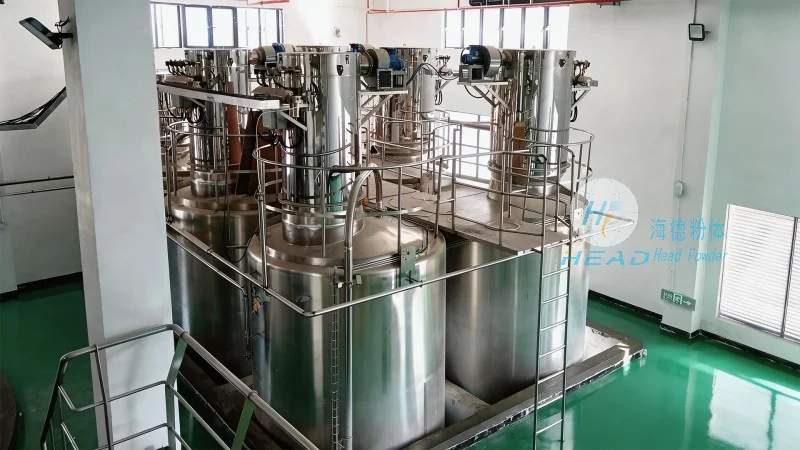
Key Components of the Pneumatic Conveying Line
The sweet potato starch material pneumatic conveying line typically consists of several core components, each serving a specific function to ensure smooth material transport. The main components include the material hopper, feeder, air compressor, conveying pipeline, dust filter, and control system. The material hopper is designed to store the sweet potato starch or raw materials, providing a stable supply source. The feeder, often a rotary valve or screw feeder, controls the material flow rate into the conveying pipeline. The air compressor generates the necessary air pressure to drive the material through the pipeline. The conveying pipeline, usually made of stainless steel or other corrosion-resistant materials, ensures the material is transported under controlled conditions. The dust filter system is essential for maintaining air quality and protecting the environment by capturing fine particles. The control system integrates all components, allowing for real-time monitoring and adjustment of the conveying process.
Operation Process of the Pneumatic Conveying Line
The operation process of the sweet potato starch material pneumatic conveying line involves several sequential steps, starting from material loading to final discharge. First, the sweet potato starch or raw materials are loaded into the material hopper. The feeder then regulates the material flow, ensuring a consistent feed rate into the conveying pipeline. The air compressor supplies compressed air, which is introduced into the pipeline at the inlet of the feeder. As the air flows through the pipeline, it lifts and transports the material particles along with it. The conveying process continues until the material reaches the discharge point, which is typically a storage tank or processing unit. The control system monitors the pressure, flow rate, and material level in real-time, allowing operators to adjust parameters as needed to maintain optimal performance. The dust filter system continuously removes airborne particles, ensuring clean air is discharged and preventing contamination of the material.
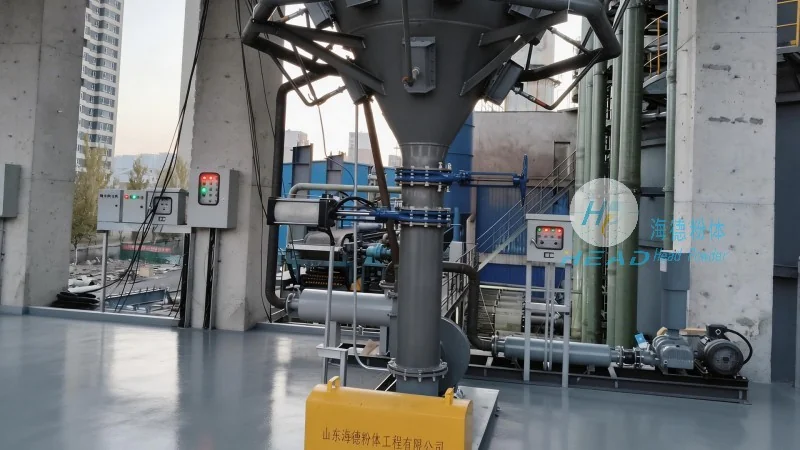
Working Principle of the Pneumatic Conveying System
The working principle of the sweet potato starch material pneumatic conveying line is based on the principle of fluidization and air suspension. When compressed air is introduced into the conveying pipeline, it creates a low-pressure environment that lifts the sweet potato starch particles, causing them to become suspended in the air stream. The air flow velocity is maintained above the minimum fluidization velocity to ensure the material remains in a fluidized state, preventing blockages and ensuring uniform transport. The system operates under positive pressure, meaning the air pressure inside the pipeline is higher than the ambient pressure, which helps to overcome resistance and maintain consistent material flow. The feeder controls the material feed rate, while the air compressor adjusts the air pressure and flow rate to match the material characteristics and conveying distance. The dust filter system captures fine particles that may be carried by the air stream, protecting the environment and ensuring the material remains clean.
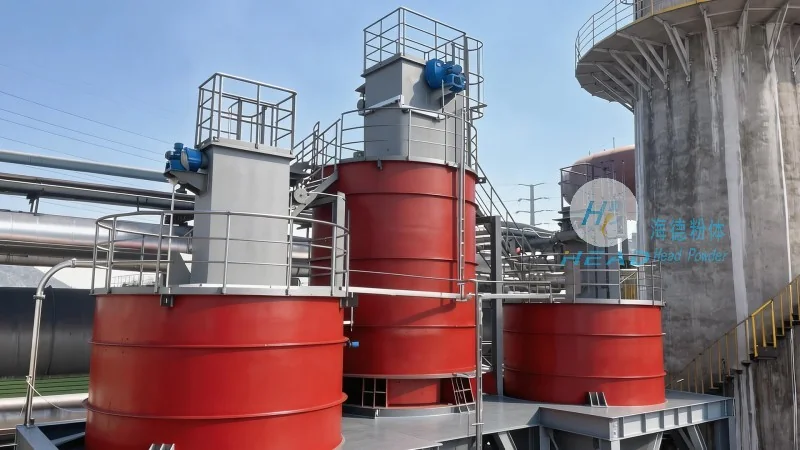
Advantages of the Sweet Potato Starch Pneumatic Conveying Line
Compared to traditional mechanical conveying methods, the sweet potato starch material pneumatic conveying line offers several advantages that enhance production efficiency and product quality. One of the key benefits is the ability to transport materials over long distances without the need for multiple transfer points, reducing the risk of material contamination and loss. The system is also highly flexible, allowing for easy integration with existing production lines and adjustments to accommodate varying material volumes. The enclosed pipeline design minimizes dust exposure, improving working conditions and reducing the risk of respiratory issues for operators. Additionally, the system is more energy-efficient than some mechanical alternatives, as the air compressor can be optimized to match the conveying requirements, resulting in lower operational costs. The stainless steel construction of the pipeline and components ensures durability and resistance to corrosion, which is particularly important for handling sweet potato starch, which may contain moisture and organic compounds.
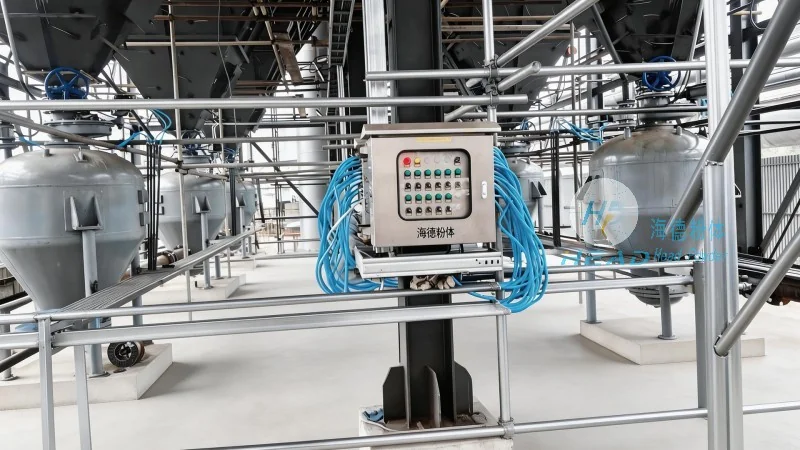
Application Scenarios in Sweet Potato Starch Production
The sweet potato starch material pneumatic conveying line is widely used in various stages of sweet potato starch production, from raw material handling to finished product storage. In the raw material processing stage, the system can transport sweet potato pulp or other raw materials from the washing and grinding units to the drying and refining sections. During the starch extraction process, the conveying line efficiently moves the starch slurry or solid particles between different processing units, such as the centrifuge and dewatering equipment. In the final processing stage, the system transports the refined sweet potato starch to storage tanks or packaging facilities, ensuring a smooth transition from production to distribution. The system's ability to handle both dry and wet materials makes it versatile for different production phases, and its enclosed design helps maintain product purity and quality throughout the process.
Technical Specifications and Customization Options
HeadPowder provides customized pneumatic conveying solutions tailored to the specific needs of sweet potato starch manufacturers. The technical specifications of the system can be adjusted based on factors such as the material characteristics, conveying distance, and production capacity. For example, the air compressor capacity can be scaled up or down to match the required air flow rate, and the pipeline diameter can be modified to accommodate different material particle sizes. The system can also be equipped with additional features, such as temperature control for sensitive materials, or advanced monitoring systems for real-time data analysis. HeadPowder's engineers work closely with clients to design a solution that meets their unique requirements, ensuring optimal performance and cost-effectiveness.




