HeadPowder, a leading engineering company based in Shandong, China, specializes in the design, manufacturing, and installation of advanced pneumatic conveying systems. This article focuses on the operation process and working principle of a paddy husk ash material pneumatic conveying line, highlighting the key components, operational steps, and technical considerations that ensure efficient and reliable material handling.
Introduction to Pneumatic Conveying Systems
Pneumatic conveying is a widely used method for transporting bulk materials through a pipeline using air or gas as the conveying medium. It offers several advantages over traditional mechanical conveying systems, including flexibility in layout, reduced maintenance requirements, and the ability to handle a variety of materials, including powders and granules. For paddy husk ash, a byproduct of rice processing, pneumatic conveying is particularly effective due to its light weight and fine particle size.
Key Components of the Paddy Husk Ash Pneumatic Conveying Line
The paddy husk ash pneumatic conveying line typically consists of several critical components that work in tandem to transport the material from the source to the destination. These components include:
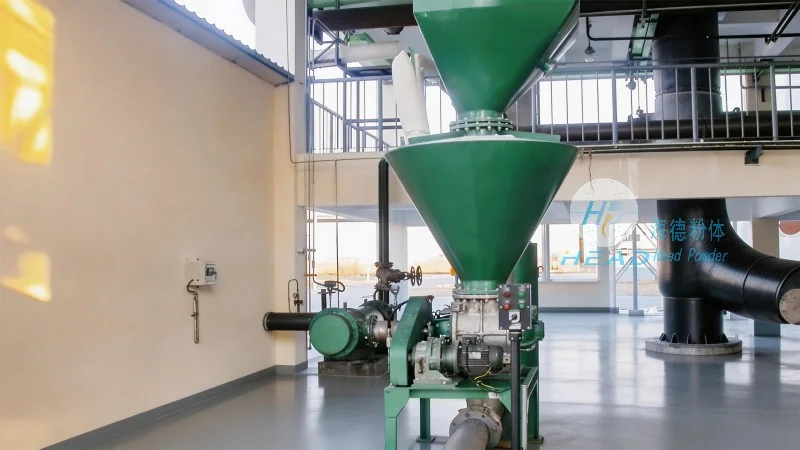
1. Material Hopper: This is the initial storage and feeding unit where paddy husk ash is collected and prepared for transport. The hopper is designed with a sloped bottom to facilitate smooth material flow into the conveying line.
2. Air Supply System: Comprised of a blower or fan, the air supply system generates the necessary airflow to move the material through the pipeline. The pressure and flow rate of the air are carefully controlled to match the material's characteristics and the system's capacity.
3. Pipeline Network: The conveying line itself, made of durable materials such as stainless steel or plastic, forms a network of pipes that guide the material and air mixture from the hopper to the discharge point. The pipeline is often equipped with bends, elbows, and other fittings to accommodate changes in direction and elevation.
4. Control Valves and Regulators: These components regulate the airflow and pressure within the system, ensuring consistent and stable operation. They also allow for adjustments to accommodate variations in material feed rate or system load.
5. Receiver or Discharge Hopper: The final component where the paddy husk ash is deposited after being conveyed through the pipeline. This hopper may be equipped with a discharge valve or conveyor to further process or transport the material.
Operation Process of the Paddy Husk Ash Pneumatic Conveying Line
The operation of the paddy husk ash pneumatic conveying line follows a systematic sequence of steps to ensure efficient material transport. The process begins with the loading of the material hopper. Once the hopper is filled, the air supply system is activated, generating the required airflow. The material is then drawn from the hopper and mixed with the air, forming a slurry or suspension that travels through the pipeline.
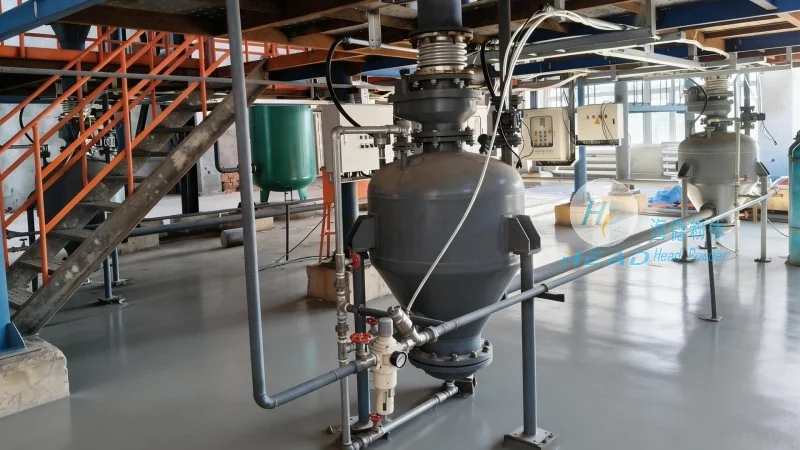
As the material-air mixture moves through the pipeline, it encounters various components such as bends and fittings, which may cause minor turbulence but are designed to minimize material degradation. The air flow maintains the material in suspension, preventing clogging and ensuring smooth transport. At the discharge end, the material is separated from the air, typically through a cyclone separator or a filter, and collected in the receiver hopper.
The entire process is monitored and controlled by the system's control valves and regulators, which adjust the air pressure and flow rate as needed to maintain optimal performance. This closed-loop control system ensures that the conveying line operates efficiently, minimizing energy consumption and maximizing material throughput.
Working Principle of the Paddy Husk Ash Pneumatic Conveying Line
The working principle of the paddy husk ash pneumatic conveying line is based on the fundamental concept of fluidization and suspension. The air supply system creates a pressure differential between the hopper and the discharge point, which drives the material-air mixture through the pipeline. The material particles are kept in suspension by the continuous airflow, allowing them to be transported over long distances without the need for mechanical components like conveyors or elevators.
For paddy husk ash, which is a fine powder with low bulk density, pneumatic conveying is particularly effective because the air flow can easily lift and transport the particles. The system's design, including the hopper's slope and the pipeline's diameter, is optimized to ensure that the material flows smoothly and that the air flow is sufficient to maintain suspension without excessive energy consumption.
The separation of material from air at the discharge end is achieved through a combination of centrifugal force and filtration. The cyclone separator, for example, uses centrifugal force to separate the heavier material particles from the lighter air, while the filter may be used to capture any fine particles that escape the cyclone. This separation process ensures that the material is delivered in a clean and dry state, ready for further processing or use.
Advantages and Considerations for Paddy Husk Ash Pneumatic Conveying
The use of a pneumatic conveying line for paddy husk ash offers several advantages over traditional conveying methods. These include:
1. Reduced Labor and Maintenance: Pneumatic systems require less manual labor for material handling and have fewer moving parts, resulting in lower maintenance costs and longer equipment life.
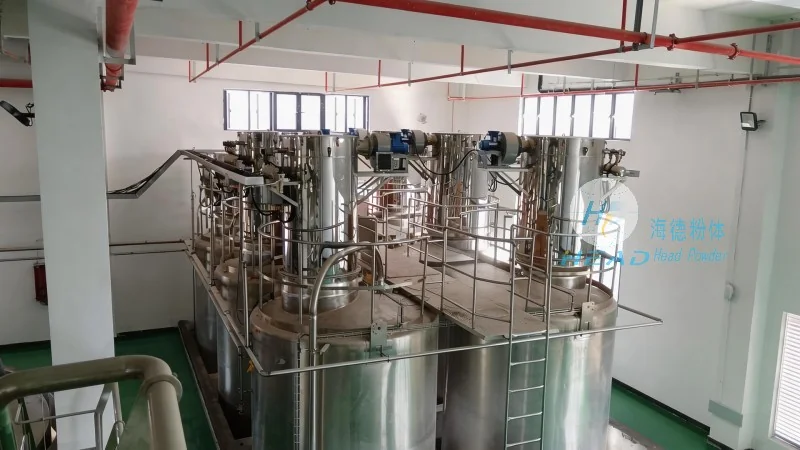
2. Flexibility in Layout: The pipeline can be configured in various shapes and sizes to accommodate different plant layouts, allowing for easy integration with existing facilities.
3. Minimized Material Degradation: The absence of mechanical components reduces the risk of material breakage or contamination, preserving the quality of the paddy husk ash.
4. Energy Efficiency: Modern pneumatic conveying systems are designed to be energy-efficient, with adjustable airflow and pressure control that minimize energy consumption while maintaining optimal performance.
However, there are also some considerations to keep in mind when implementing a paddy husk ash pneumatic conveying line. These include:
1. Material Properties: The characteristics of paddy husk ash, such as its particle size, moisture content, and bulk density, must be considered when designing the system to ensure optimal performance.
2. System Sizing: Proper sizing of the air supply system, pipeline diameter, and hopper capacity is crucial to avoid issues such as clogging or excessive energy consumption.
3. Environmental Factors: The system must be designed to minimize dust emissions and comply with environmental regulations, which may require additional filtration or dust control measures.
Conclusion
HeadPowder's expertise in engineering and manufacturing ensures that the paddy husk ash pneumatic conveying line operates efficiently and reliably. By understanding the operation process and working principle of such systems, users can optimize their material handling operations, reduce costs, and improve overall productivity. The combination of advanced design, robust components, and careful system integration makes pneumatic conveying an ideal solution for transporting paddy husk ash, providing a sustainable and effective method for material transport in the rice processing industry.




