Glass fiber pneumatic conveying systems represent a sophisticated solution for material handling, particularly in industries that require the transport of fine powders or granular materials with precision and efficiency. These systems utilize the principles of pneumatic transport, where materials are moved through a pipeline using air or other gases as the conveying medium. The design of such systems is tailored to handle materials that are often abrasive or have specific handling requirements, making glass fiber components a critical choice for durability and performance. HeadPowder, a leading manufacturer based in Shandong, China, specializes in developing these systems to meet the demands of various industrial sectors.
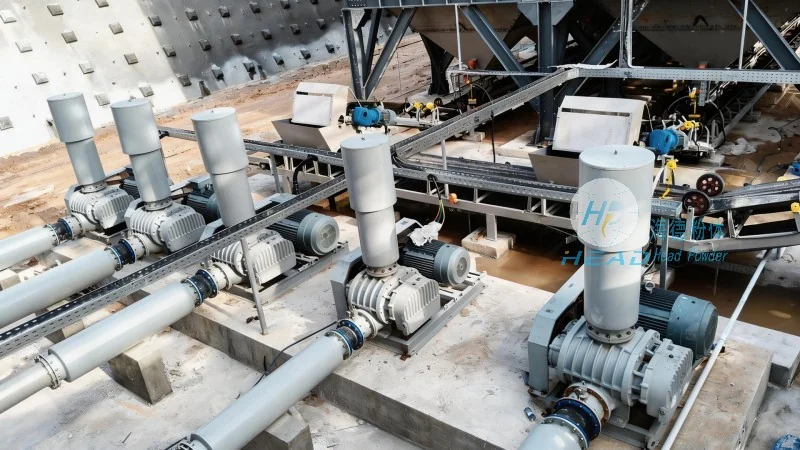
Key Structural Components of Glass Fiber Pneumatic Conveying Systems
The core structure of a glass fiber pneumatic conveying system typically includes several essential components that work in tandem to ensure effective material transport. These components are engineered to withstand the mechanical stresses and chemical interactions associated with the materials being conveyed. The main parts include the hopper or feed hopper, which serves as the initial collection point for the material. This hopper is often equipped with a feeding mechanism, such as a rotary valve or a screw feeder, to control the flow of material into the system. The hopper is connected to a pipeline system, which may consist of straight sections, bends, or expansions, all constructed from glass fiber-reinforced plastic (FRP) to provide strength and resistance to corrosion.
At the heart of the system is the conveying line, which is responsible for transporting the material from the feed point to the discharge point. The line is typically made from high-quality glass fiber, which offers excellent tensile strength and resistance to abrasion. This material choice is crucial for maintaining the integrity of the pipeline over time, especially when handling abrasive materials like glass fibers or other fine powders. The pipeline may include various fittings, such as elbows, tees, and reducers, which are designed to facilitate changes in direction or size while minimizing pressure losses.
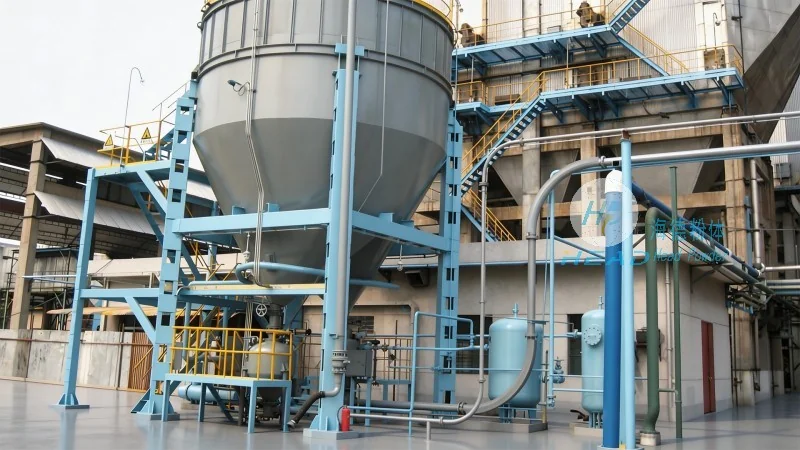
Working Principles of Glass Fiber Pneumatic Conveying Systems
The operation of a glass fiber pneumatic conveying system is based on the principle of creating a pressure differential within the pipeline. This is achieved by using a blower or a vacuum pump to generate airflow. The system can operate in either positive pressure or negative pressure modes. In positive pressure systems, air is forced into the pipeline, pushing the material along the path. In negative pressure systems, a vacuum is created at the discharge end, drawing the material through the pipeline. The choice between these modes depends on the specific application and the characteristics of the material being conveyed.
When material is introduced into the hopper, it falls into the pipeline under the influence of the airflow. The air velocity within the pipeline is carefully controlled to ensure that the material particles are entrained and transported without causing excessive wear or blockages. The system is designed to maintain a consistent flow rate, which is essential for preventing material buildup or clogging in the pipeline. The discharge point is typically equipped with a receiver or a silo, where the material is collected and stored for further processing or use.
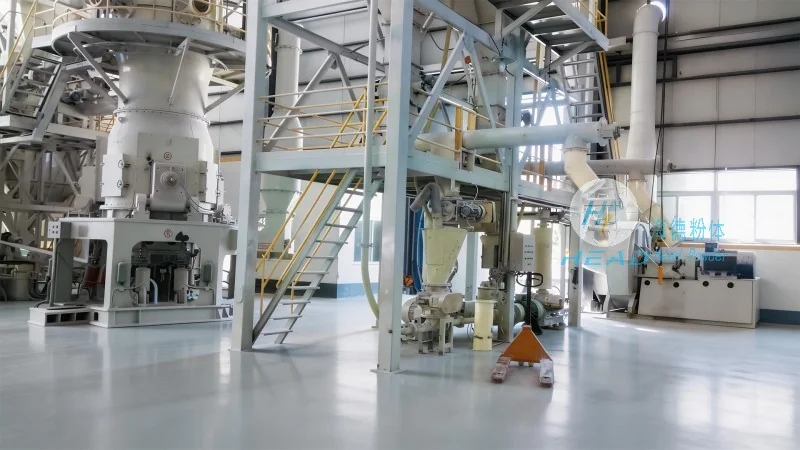
Advantages of Glass Fiber Pneumatic Conveying Systems
One of the primary advantages of glass fiber pneumatic conveying systems is their durability and resistance to corrosion. Glass fiber-reinforced plastic components are highly resistant to chemical attack, making them suitable for handling a wide range of materials, including those that are acidic or alkaline. This durability reduces the need for frequent maintenance and replacement of components, leading to lower operational costs over the system's lifespan.
Another key advantage is the ability to handle abrasive materials without significant wear on the system components. The high tensile strength of glass fiber allows the pipeline to withstand the mechanical stresses caused by abrasive particles, ensuring long-term performance and reliability. Additionally, glass fiber systems are lightweight and easy to install, which can reduce construction time and costs compared to traditional metal or concrete pipelines.
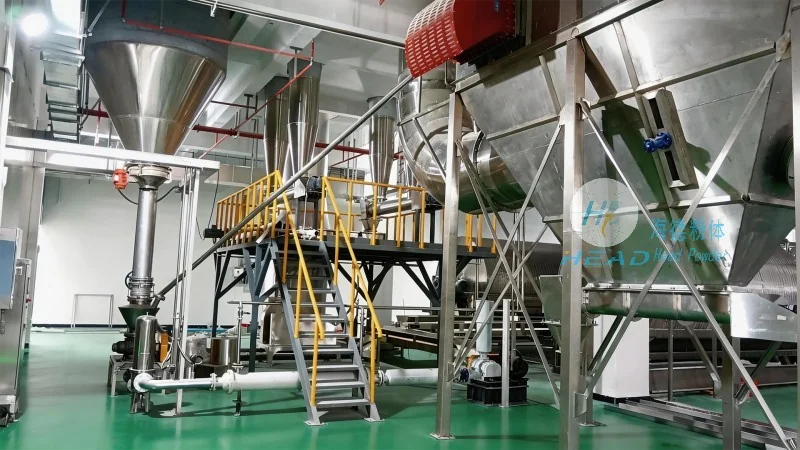
Applications and Industries
Glass fiber pneumatic conveying systems are widely used in various industries due to their versatility and effectiveness. Common applications include the transport of glass powders, ceramics, and other fine materials in the glass and ceramics manufacturing sectors. They are also used in the chemical industry for handling powders and granules, and in the food and pharmaceutical industries for transporting materials that require a clean and hygienic environment.
Conclusion
Glass fiber pneumatic conveying systems represent an advanced and reliable solution for material handling in industries that demand precision, durability, and efficiency. By leveraging the unique properties of glass fiber-reinforced components, these systems provide a robust and long-lasting method for transporting fine powders and granular materials. The combination of structural integrity, resistance to corrosion, and effective material handling capabilities makes them a preferred choice for many industrial applications, with Shandong HeadPowder Engineering Co., Ltd. being a key player in their design and manufacturing.




