For industries dealing with limestone powder, efficient material handling is crucial for maintaining production efficiency and safety. This article provides a detailed overview of the operation process and working principle of specialized equipment designed for transporting limestone powder, highlighting key components, operational steps, and the technical aspects that ensure reliable performance.
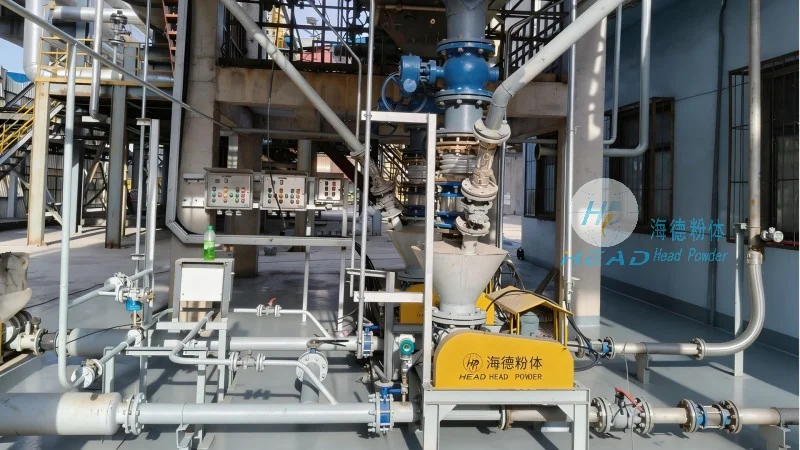
Introduction to Limestone Powder Material Handling Equipment
Limestone powder, a common raw material in various industrial applications such as cement production, construction, and chemical processing, requires specialized equipment to handle its fine, dusty nature. The equipment designed for limestone powder material transport must address challenges like dust generation, material flow control, and system integration with existing production lines. Shandong HeadPowder Engineering Co., Ltd., a leading manufacturer based in China, specializes in developing and supplying advanced material handling solutions tailored to the unique demands of limestone powder processing.
Key Components of the Material Handling System
The limestone powder material handling system typically consists of several interconnected components that work in harmony to ensure smooth material transport. These components include feeders, conveyors, dust collection systems, and control units. Each component plays a critical role in the overall operation, and their proper integration is essential for optimal performance. The feeders are responsible for uniformly distributing the limestone powder into the conveyor system, preventing blockages and ensuring consistent material flow. The conveyors, often using belt or screw mechanisms, transport the powder from the feed point to the discharge point. Dust collection systems are integrated to capture and filter airborne particles, maintaining a clean and safe working environment. Control units manage the entire system, monitoring parameters like flow rate, pressure, and temperature to ensure stable operation.
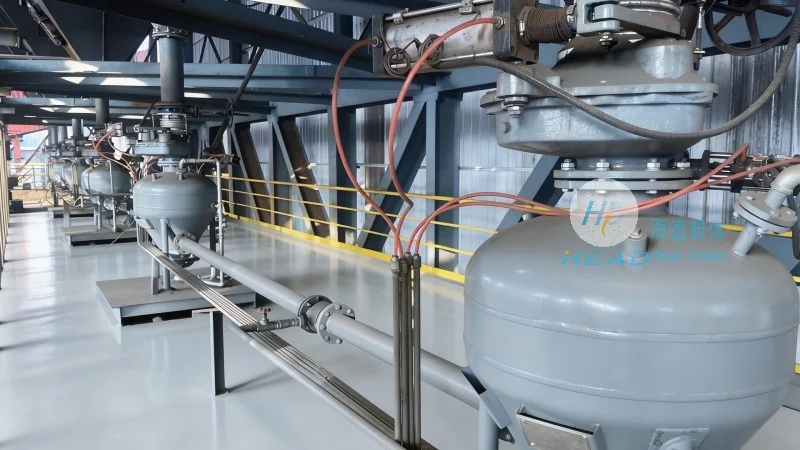
Operation Process of the Material Handling Equipment
The operation process of limestone powder material handling equipment begins with the feeding of limestone powder into the system. The feeders, such as rotary feeders or vibratory feeders, regulate the input rate of the powder, ensuring a steady supply to the conveyor. The conveyor then transports the powder through a series of sections, possibly including vertical or inclined segments, depending on the layout of the production facility. As the powder moves, it may pass through a dust collection system where particles are captured and the clean air is released back into the environment. The discharge point is where the limestone powder is delivered to the next stage of processing or storage. Throughout the process, the control unit continuously monitors and adjusts the system parameters to maintain optimal performance. For example, if the flow rate decreases, the control unit may increase the feeder speed to compensate, ensuring consistent material transport. This closed-loop control system enhances the reliability and efficiency of the material handling operation.
Working Principle of the Material Handling Equipment
The working principle of limestone powder material handling equipment is based on mechanical and pneumatic systems that work together to move the fine powder. The primary mechanism involves the use of conveyors, which can be either belt conveyors or screw conveyors, depending on the specific application. Belt conveyors use a continuous belt to transport the powder, while screw conveyors use a rotating screw to push the material forward. Both systems rely on the principles of gravity and mechanical force to move the powder. The dust collection system operates on the principle of filtration, using filters to capture airborne particles and prevent dust emissions. The control unit uses sensors and feedback mechanisms to adjust the system's operation in real-time, ensuring that the material is transported efficiently and safely. The integration of these components allows for a seamless operation that minimizes downtime and maximizes productivity.
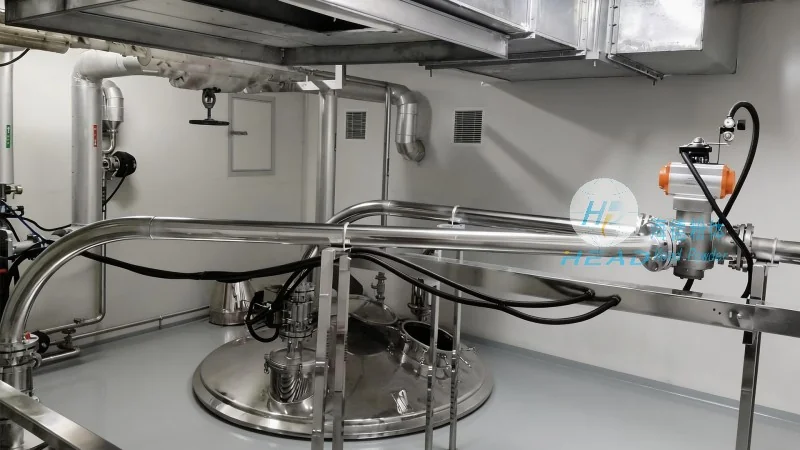
Advantages of Using Specialized Limestone Powder Handling Equipment
Employing specialized equipment for limestone powder material handling offers several advantages over traditional methods. First, it significantly reduces dust generation, improving workplace safety and compliance with environmental regulations. The dust collection systems effectively capture and filter particles, preventing air pollution and protecting workers from respiratory hazards. Second, the equipment ensures consistent material flow, which is critical for maintaining the quality of the final product. Uniform material transport reduces variations in the powder's properties, leading to better product consistency. Third, the specialized design of the equipment minimizes material loss and blockages, which are common issues with traditional handling methods. The feeders and conveyors are designed to handle the fine, cohesive nature of limestone powder, preventing clogging and ensuring smooth operation. Fourth, the system's integration with control units allows for automated operation, reducing the need for manual intervention and improving overall efficiency. This automation enhances productivity and reduces labor costs.
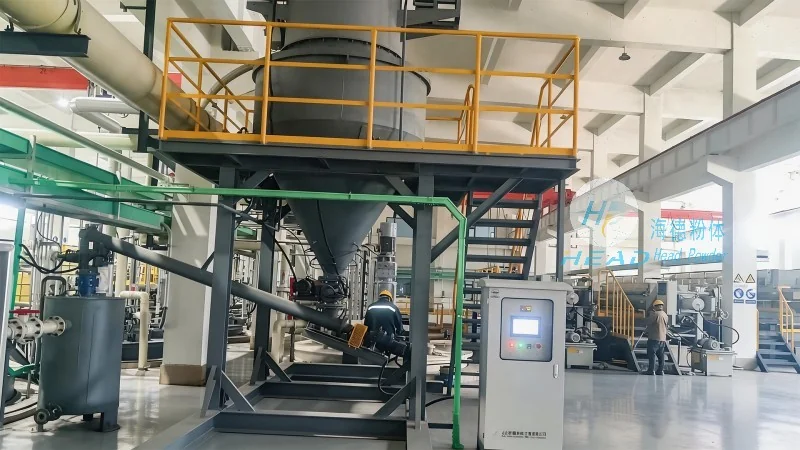
Application Examples and Industry Impact
Limestone powder material handling equipment is widely used in various industries, including cement manufacturing, where limestone is a primary raw material. In cement plants, the equipment is used to transport limestone powder from storage silos to the raw mill for grinding. The efficient handling of limestone powder ensures a steady supply of raw material, which is essential for maintaining the production rate of cement. Another application is in the construction industry, where limestone powder is used as a filler in concrete and other building materials. The specialized equipment helps in transporting the powder to mixing plants, ensuring consistent quality of the final products. In the chemical industry, limestone powder is used as a raw material for producing calcium compounds. The material handling equipment ensures that the powder is transported safely and efficiently to the chemical processing units, minimizing the risk of accidents and improving production efficiency. The use of such equipment has a positive impact on the overall productivity and safety of these industries, making it a critical component of modern material processing.
Conclusion and Company Information
In conclusion, the operation process and working principle of limestone powder material handling equipment are designed to address the unique challenges of handling fine, dusty materials. The integration of feeders, conveyors, dust collection systems, and control units ensures efficient and safe material transport. Shandong HeadPowder Engineering Co., Ltd., with its expertise in material handling solutions, provides high-quality equipment tailored to the needs of limestone powder processing industries. The company's commitment to innovation and quality ensures that its products meet the highest standards of performance and reliability. Based in China, Shandong HeadPowder Engineering Co., Ltd. serves clients globally, helping them improve their material handling processes and enhance overall productivity. For industries dealing with limestone powder, investing in specialized material handling equipment is a strategic decision that leads to improved efficiency, safety, and product quality.




