PP material conveying equipment is a critical component in industrial processing, designed to efficiently transport polypropylene (PP) materials from one location to another within a production line. This equipment plays a vital role in ensuring smooth material flow, reducing manual handling, and enhancing overall operational efficiency. The design and functionality of these systems are tailored to meet the specific demands of PP processing, which often involves handling bulk materials with varying characteristics such as density, moisture content, and particle size.
Key Components of PP Conveying Systems
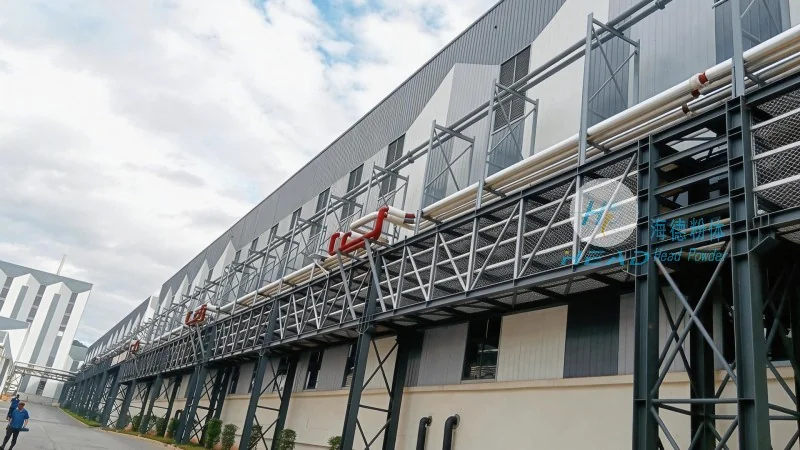
Typical PP material conveying equipment consists of several key components that work in tandem to achieve effective material transport. These components include the hopper or feed inlet, which serves as the entry point for raw PP material. The hopper is usually designed with a sloped bottom to facilitate material flow and prevent clogging. Next, the conveyor mechanism, which can be a screw conveyor, belt conveyor, or pneumatic conveyor, depending on the application. Screw conveyors are commonly used for vertical or inclined transport due to their ability to handle dry and free-flowing materials like PP. Belt conveyors are ideal for horizontal or slightly inclined transport, providing a continuous and stable flow. Pneumatic conveyors, or air slides, are suitable for fine powders or granules, utilizing air pressure to move materials through a pipeline.
The Operation Process of PP Material Conveying Equipment
The operation process of PP material conveying equipment involves several sequential steps that ensure reliable and consistent material transport. The first step is material loading, where raw PP material is fed into the hopper from a storage silo or bulk container. The hopper is equipped with a level sensor to monitor the material level and trigger the feeding process when the level reaches a pre-set threshold. Once the material is loaded, the conveyor system is activated. For screw conveyors, the rotating screw (or auger) pushes the material forward along the conveyor tube. The speed of the screw is controlled by a motor, allowing for adjustment based on the required flow rate. For belt conveyors, the motor drives the pulley system, which moves the belt at a constant speed, carrying the material across the conveyor path. Pneumatic conveyors use a blower or compressor to generate air pressure, which propels the PP particles through the pipeline. The air flow rate is regulated to maintain an optimal velocity for material transport without causing excessive wear or degradation.
Working Principle of PP Conveying Equipment
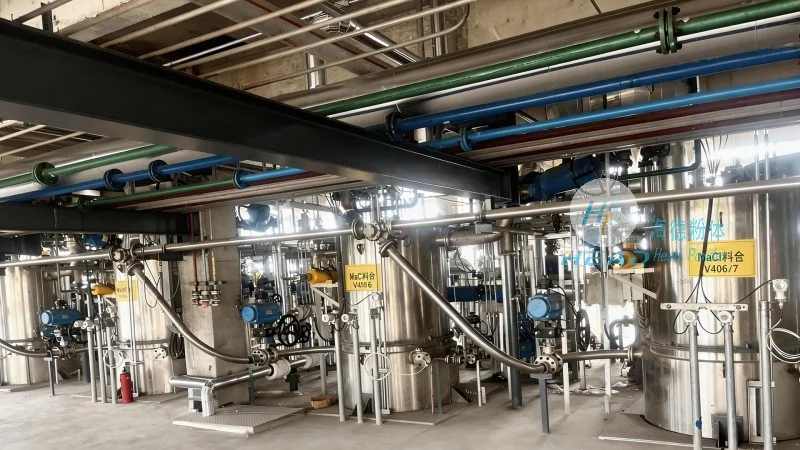
The working principle of PP material conveying equipment is based on mechanical or pneumatic forces that move the material from the inlet to the outlet. In screw conveyors, the rotating screw creates a screw thread that lifts and pushes the material forward. The pitch of the screw (distance between threads) and the diameter determine the conveying capacity and the pressure exerted on the material. A larger pitch allows for higher capacity but may increase the risk of material degradation due to friction. The motor drives the screw through a gearbox, which adjusts the speed and torque to match the operational requirements. Belt conveyors rely on friction between the belt and the pulleys to move the material. The belt is typically made of durable materials like rubber or PVC to withstand the weight and abrasion of PP particles. The drive pulley is connected to the motor, and the idler pulleys support the belt, maintaining proper tension and alignment. Pneumatic conveyors operate on the principle of air pressure, where the blower creates a pressure differential between the inlet and outlet. The PP particles are suspended in the air stream and transported through the pipeline. The velocity of the air stream must be sufficient to overcome the gravitational force and friction within the pipeline, ensuring efficient transport.
Control and Monitoring Systems
Modern PP material conveying equipment is equipped with advanced control and monitoring systems to ensure optimal performance and safety. These systems include sensors and control panels that monitor key parameters such as material level, conveyor speed, and air pressure. Level sensors are installed in the hopper to detect the material level and send signals to the control system. If the material level is too low, the system may trigger an alarm or stop the conveyor to prevent downtime. Speed sensors are used to monitor the conveyor speed and adjust it as needed to maintain the desired flow rate. Pressure sensors in pneumatic systems detect the air pressure and adjust the blower speed to maintain optimal pressure. The control system is typically a programmable logic controller (PLC), which integrates all the sensors and actuators to coordinate the operation of the conveying equipment. This allows for automated control, reducing the need for manual intervention and improving operational efficiency.
Applications and Benefits of PP Conveying Equipment
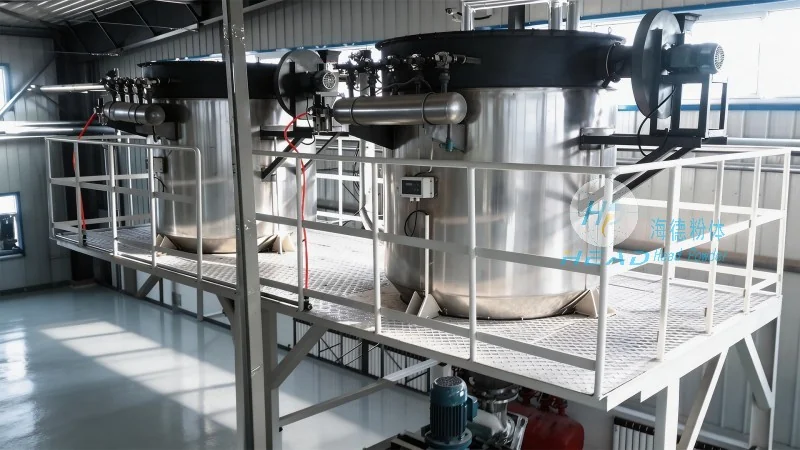
PP material conveying equipment is widely used in various industries, including plastics manufacturing, food processing, and chemical production. In the plastics industry, these systems are used to transport PP pellets from storage to extrusion machines, ensuring a continuous supply of raw material. The equipment helps maintain consistent material quality by preventing contamination and moisture absorption. In food processing, PP conveyors are used to transport food-grade PP materials, such as packaging films or containers, from production lines to packaging stations. The hygienic design of these systems ensures compliance with food safety regulations. The benefits of using PP material conveying equipment include increased productivity, reduced labor costs, improved material handling safety, and enhanced product quality. By automating the material transport process, these systems minimize the risk of human error and improve the overall efficiency of the production line.
About Shandong HeadPowder Engineering Co., Ltd.
Shandong HeadPowder Engineering Co., Ltd. is a leading manufacturer of PP material conveying equipment, with a focus on providing high-quality and reliable solutions for industrial applications. The company is headquartered in Shandong, China, and has a strong reputation for its innovative designs and customer-centric approach. HeadPowder Engineering specializes in customizing conveying systems to meet the specific needs of clients, ensuring that each system is tailored to the unique requirements of the application. The company's products are known for their durability, efficiency, and ease of maintenance, making them a preferred choice for industries that require consistent and reliable material transport. With a team of experienced engineers and technicians, HeadPowder Engineering provides comprehensive support, including design, installation, and after-sales service, to ensure that clients achieve optimal performance from their conveying equipment.




