Cast gray material conveying systems are integral to the efficient operation of foundries, ensuring the smooth transport of cast gray materials from one processing stage to another. Understanding the operation process and working principle of these systems is crucial for optimizing production efficiency and maintaining system reliability. This article provides a detailed overview of the key components, operational steps, and technical principles underlying cast gray material conveying, with a focus on the expertise of Shandong HeadPowder Engineering Co., Ltd., a leading provider in the field.
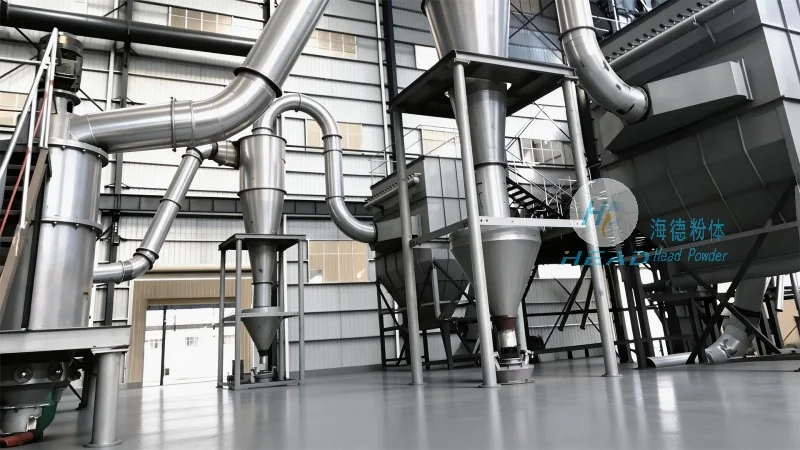
Introduction to Cast Gray Material Conveying Systems
Cast gray material, often a byproduct of the casting process, requires specialized handling due to its abrasive nature and varying particle sizes. Conveying systems designed for this material must address challenges such as material degradation, equipment wear, and the need for precise control over flow rates. Shandong HeadPowder Engineering Co., Ltd. specializes in developing and manufacturing advanced conveying solutions tailored to the unique demands of cast gray material transport, combining years of industry experience with cutting-edge technology.
Key Components of a Cast Gray Material Conveying System
The core components of a cast gray material conveying system typically include feeders, conveyors, and control mechanisms. Feeders are responsible for uniformly feeding material into the system, ensuring consistent flow rates that prevent clogging or uneven distribution. Common feeder types for cast gray material include screw feeders and vibratory feeders, which are chosen based on material characteristics and processing requirements. Conveyors, such as belt conveyors or pneumatic systems, transport the material through the system, with belt conveyors being preferred for heavy-duty applications due to their durability and ability to handle abrasive materials. Control mechanisms, including sensors and variable frequency drives (VFDs), regulate the speed and flow of the material, optimizing system performance and minimizing energy consumption.
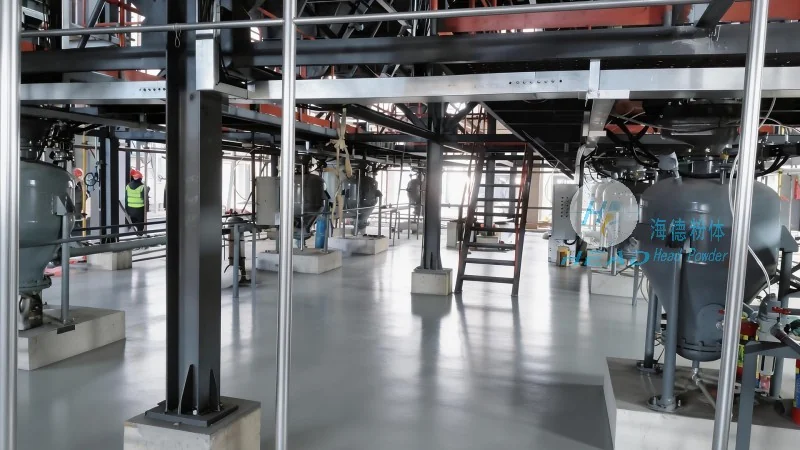
Operation Process of Cast Gray Material Conveying
The operation process of a cast gray material conveying system involves several sequential steps, each designed to ensure efficient and safe material transport. The process begins with material storage, where cast gray material is held in a hopper or silo. From the storage hopper, the material is fed into the feeder, which evenly distributes it into the conveyor. The conveyor then transports the material to the next processing stage, such as a crusher or reclamation system. Throughout the process, sensors monitor material levels, flow rates, and system performance, providing real-time data to operators for adjustments. The system operates continuously, with regular maintenance checks to ensure optimal performance and prevent equipment failure.
Working Principle of Cast Gray Material Conveying
The working principle of cast gray material conveying systems relies on mechanical or pneumatic forces to move material through the system. Mechanical conveyors, such as belt conveyors, use a rotating belt to transport material, with the belt's speed and angle controlling the flow rate. Pneumatic conveyors, on the other hand, use compressed air to create a flow of material through a pipeline, which is ideal for fine or dusty materials. The choice of conveying method depends on factors such as material size, moisture content, and the distance to be covered. Shandong HeadPowder Engineering Co., Ltd. designs systems that integrate these principles, ensuring efficient material transport while minimizing wear and tear on equipment.
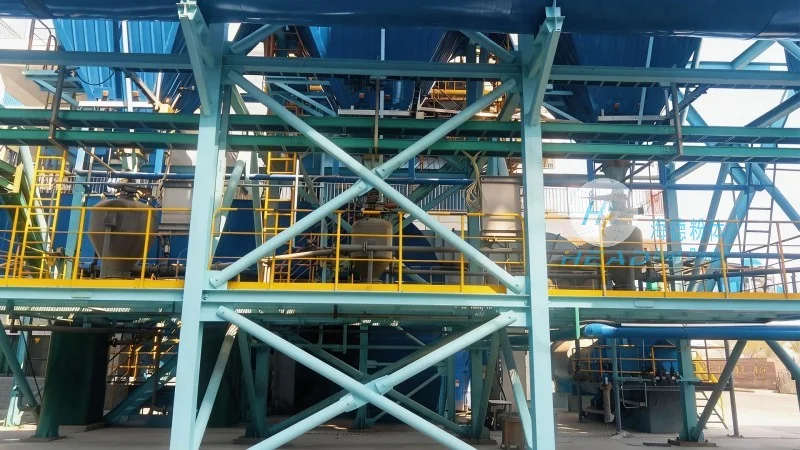
Advantages of Advanced Cast Gray Material Conveying Systems
Modern cast gray material conveying systems offer several advantages over traditional methods, including improved efficiency, reduced labor costs, and enhanced safety. Automated control systems allow for precise regulation of material flow, reducing waste and optimizing production output. Durable components, such as high-quality belts and bearings, extend the lifespan of the system, reducing maintenance costs over time. Additionally, advanced monitoring systems provide real-time data on system performance, enabling proactive maintenance and preventing unexpected downtime. These advantages make cast gray material conveying systems essential for foundries seeking to improve their operational efficiency and maintain a competitive edge in the industry.
Conclusion and Company Overview
Cast gray material conveying systems are critical components of modern foundry operations, enabling the efficient transport of cast gray materials while maintaining system reliability and performance. Shandong HeadPowder Engineering Co., Ltd. has established itself as a leading provider of these systems, leveraging its expertise in material handling and engineering to deliver high-quality solutions tailored to the unique needs of foundries. With a focus on innovation and customer satisfaction, the company continues to advance the technology of cast gray material conveying, helping foundries around the world optimize their production processes and improve overall efficiency. Based in Shandong, China, Shandong HeadPowder Engineering Co., Ltd. serves clients globally, providing comprehensive support from system design to installation and maintenance.




