HeadPowder, a leading provider in the field of material handling solutions, specializes in the efficient and reliable transport of silica sand. This article delves into the operation process and working principle of silica sand material handling systems, highlighting the technical aspects and operational efficiency that define modern industrial material transport.
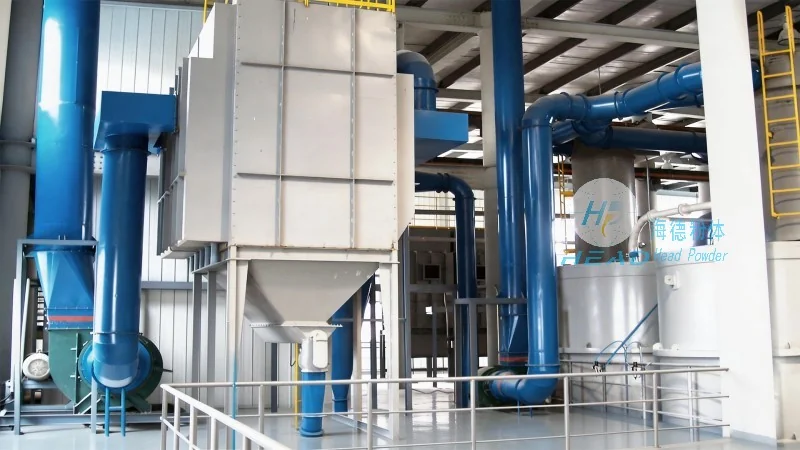
Introduction to Silica Sand Material Handling
Silica sand, a crucial raw material in various industries such as construction, glass manufacturing, and foundries, requires specialized handling equipment to ensure safe and efficient transport. The process of silica sand material handling involves a series of steps that transform raw sand into a processed material ready for industrial applications. Understanding the operation process and working principle is essential for optimizing production lines and maintaining operational efficiency.
Key Components of Silica Sand Material Handling Systems
The core components of silica sand material handling systems include feeders, conveyors, storage silos, and processing units. Each component plays a vital role in the overall operation. Feeders are responsible for controlling the flow of silica sand from the storage area to the conveyor system. Conveyors, often in the form of belt conveyors or screw conveyors, transport the sand over long distances with minimal loss. Storage silos provide a buffer for bulk storage, ensuring a steady supply of material to the processing units. The processing units may include classifiers, dryers, or screening equipment to refine the sand to the desired specifications.
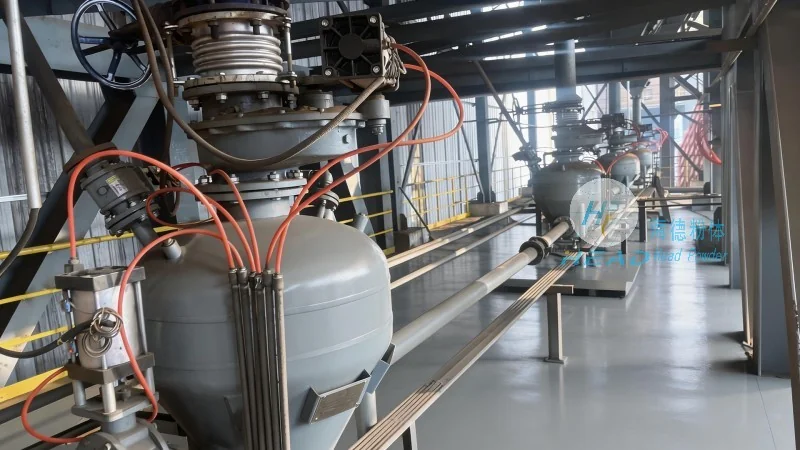
The Operation Process of Silica Sand Material Handling
The operation process of silica sand material handling typically begins with the loading of raw silica sand into storage silos. The sand is then discharged from the silos into feeders, which regulate the flow rate based on the system's requirements. The feeder delivers the sand to the conveyor system, which transports it to the processing units. In the processing units, the sand may undergo classification to separate different particle sizes, drying to remove moisture, or screening to remove impurities. The processed sand is then stored in intermediate silos or directly fed into the final production line.
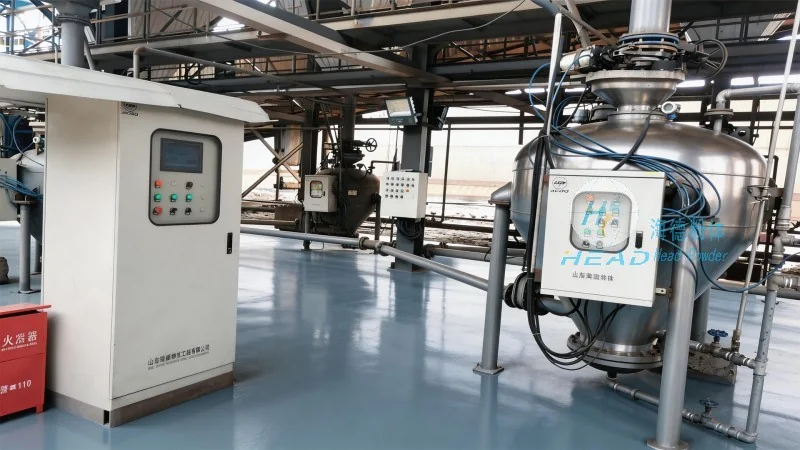
Working Principle of Silica Sand Material Handling Systems
The working principle of silica sand material handling systems is based on mechanical and pneumatic mechanisms that ensure consistent and controlled transport. Feeders utilize gravity or mechanical force to regulate the flow of sand, preventing overloading or underloading of the conveyor system. Conveyors use friction or gravity to move the sand along the path, with belt conveyors being the most common due to their ability to handle bulk materials over long distances. Storage silos use pressure or vacuum systems to maintain the flow of sand, ensuring a continuous supply to the processing units. The processing units may employ centrifugal or vibrating mechanisms to classify or dry the sand, depending on the specific requirements of the application.
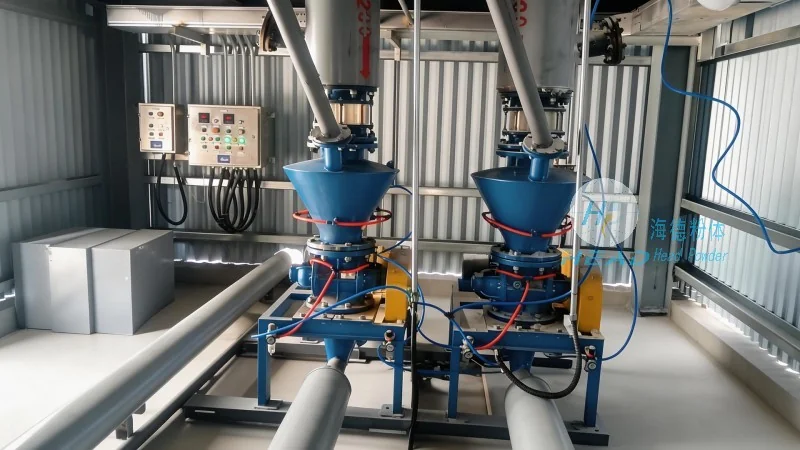
Efficiency and Maintenance Considerations
Efficiency in silica sand material handling is crucial for maintaining production rates and minimizing downtime. Regular maintenance of the feeders, conveyors, and processing units is essential to prevent mechanical failures and ensure optimal performance. HeadPowder emphasizes the importance of regular inspections, lubrication, and component replacement to keep the systems running smoothly. Additionally, the use of advanced control systems allows for real-time monitoring of the operation, enabling quick adjustments to maintain consistent material flow and quality.
Conclusion
HeadPowder Engineering Co., Ltd., based in Shandong, China, is committed to providing high-quality material handling solutions for silica sand applications. By understanding the operation process and working principle of silica sand material handling systems, industries can optimize their production lines, reduce costs, and enhance overall operational efficiency. The integration of advanced technology and robust design in these systems ensures reliable and efficient transport of silica sand, supporting the growth and development of various industrial sectors.




