Diatomite, a natural sedimentary rock composed of fossilized diatoms, is widely used in various industrial applications due to its unique properties such as high porosity, excellent filtration capabilities, and lightweight structure. The efficient handling and transportation of diatomite are crucial for industrial operations, and pneumatic conveying systems have emerged as a reliable solution for this purpose. This article provides an in-depth exploration of the operation process and working principle of diatomite pneumatic conveying lines, highlighting the key components, operational mechanisms, and practical considerations for effective material transport.
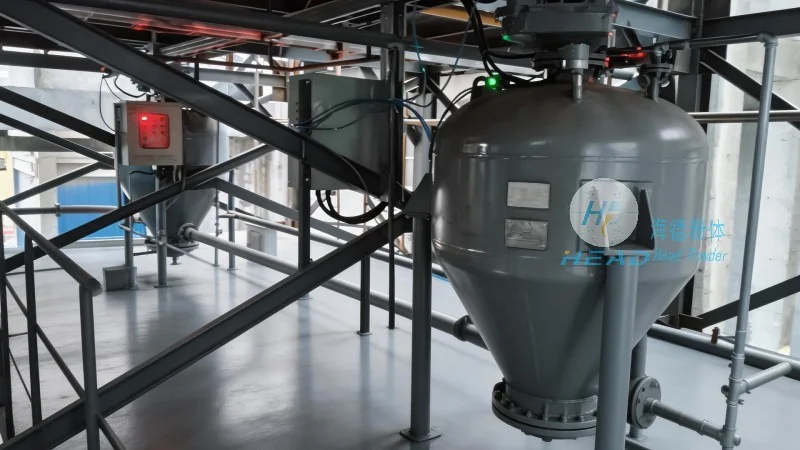
Key Components of Diatomite Pneumatic Conveying Systems
The diatomite pneumatic conveying line typically consists of several essential components that work in tandem to ensure smooth material transport. These components include the material hopper, feeder, air compressor, conveying pipeline, dust collector, and control system. Each component plays a vital role in the overall operation, contributing to the efficient and safe handling of diatomite.
The material hopper is the initial storage unit where diatomite is loaded before being fed into the system. It is designed to hold a sufficient quantity of material to maintain a continuous flow to the feeder. The feeder, often a rotary valve or a screw feeder, regulates the flow rate of diatomite from the hopper into the conveying pipeline. This controlled feeding is critical to prevent blockages and ensure consistent material delivery.
The air compressor is the heart of the pneumatic conveying system, responsible for generating the necessary air pressure to move the diatomite particles through the pipeline. The pressure and flow rate of the air are carefully controlled to match the characteristics of the diatomite, such as particle size and density. The conveying pipeline, usually made of stainless steel or other corrosion-resistant materials, transports the diatomite and air mixture from the feeder to the discharge point. The pipeline design, including bends and fittings, is optimized to minimize pressure loss and prevent material deposition.
The dust collector is an integral part of the system, designed to capture any airborne particles that may escape during the conveying process. This not only improves air quality but also prevents the loss of valuable diatomite material. The control system monitors and regulates the operation of all components, ensuring that the system runs efficiently and safely. It may include sensors to detect pressure, flow, and material levels, as well as automated controls to adjust the system parameters as needed.
Working Principle of Diatomite Pneumatic Conveying
The working principle of a diatomite pneumatic conveying line involves the use of compressed air to transport the material particles through the pipeline. The process begins with the diatomite being fed from the hopper into the conveying pipeline. Simultaneously, the air compressor supplies high-pressure air into the pipeline, creating a flow that carries the diatomite particles along with it.
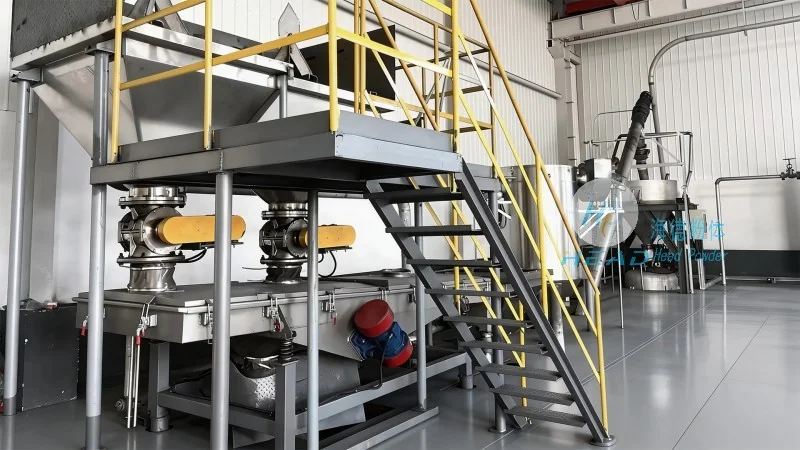
As the air and diatomite mixture moves through the pipeline, the air velocity is maintained at a level sufficient to keep the particles suspended and prevent them from settling. The design of the pipeline, including the use of appropriate bends and fittings, helps to maintain the air velocity and prevent pressure drops that could lead to material deposition or blockages.
At the discharge point, the air and diatomite mixture is separated. The diatomite is collected in the receiving hopper, while the air is filtered and returned to the system or vented to the atmosphere. The control system continuously monitors the pressure and flow rates, adjusting the air supply as needed to maintain optimal conveying conditions.
Operation Process of Diatomite Pneumatic Conveying Lines
The operation process of a diatomite pneumatic conveying line involves several sequential steps that ensure the smooth and efficient transport of material. The process starts with the loading of diatomite into the material hopper. The hopper is typically equipped with a level indicator to monitor the material inventory, ensuring that the system is not overfilled or underfilled.
Once the hopper is loaded, the feeder is activated to regulate the flow of diatomite into the conveying pipeline. The air compressor is then started, and the compressed air is introduced into the pipeline. The air pressure is gradually increased to the desired level, and the conveying process begins as the diatomite particles are carried by the air flow.
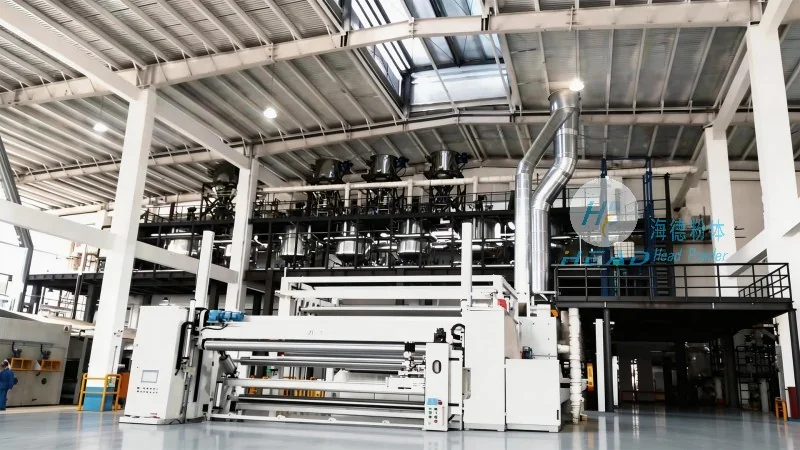
During the conveying operation, the system is continuously monitored for any signs of blockages or pressure drops. If a blockage is detected, the control system may automatically shut down the air compressor and alert the operator. The operator can then inspect the pipeline and clear any obstructions before resuming operation.
The conveying process continues until the material hopper is empty or the required quantity has been transported to the discharge point. At this point, the feeder and air compressor are shut down, and the system is prepared for the next batch of diatomite. The dust collector continues to operate, capturing any particles that may have escaped during the conveying process.
Practical Considerations for Efficient Diatomite Conveying
Several practical considerations are essential for ensuring the efficient and reliable operation of diatomite pneumatic conveying lines. The first consideration is the selection of appropriate equipment based on the characteristics of the diatomite, such as particle size, moisture content, and density. For example, finer diatomite particles may require higher air velocities to maintain suspension, while coarser particles may need larger pipelines to prevent blockages.
The design of the pipeline system is another critical factor. The pipeline should be sized appropriately to handle the flow rate and pressure requirements of the diatomite. The use of smooth, corrosion-resistant materials, such as stainless steel, helps to minimize pressure loss and prevent material buildup. Properly designed bends and fittings are also important to maintain the air velocity and prevent turbulence that could lead to particle separation.
Regular maintenance and inspection of the system are necessary to ensure long-term performance. The feeder, air compressor, and pipeline should be inspected regularly for wear and tear, and any components that show signs of damage should be replaced promptly. The dust collector should also be cleaned regularly to maintain its efficiency and prevent clogging.




