Carbon powder pneumatic conveying systems are critical industrial equipment designed to efficiently transport carbon-based powders through a pipeline network using air or other gases. These systems offer a dust-free, flexible, and reliable solution compared to traditional mechanical conveying methods, making them essential in various industries such as carbon manufacturing, chemical processing, and material handling. The primary goal of these systems is to ensure smooth and efficient material transport while maintaining product quality and workplace safety.
Key Components and Structural Design of the Pneumatic Conveying System
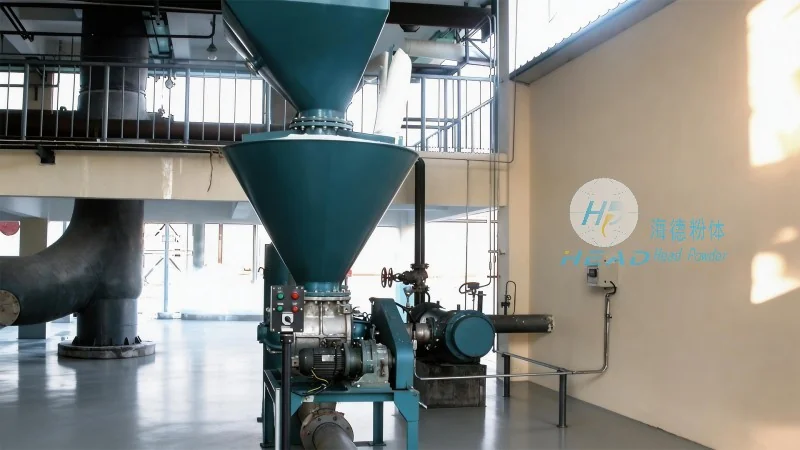
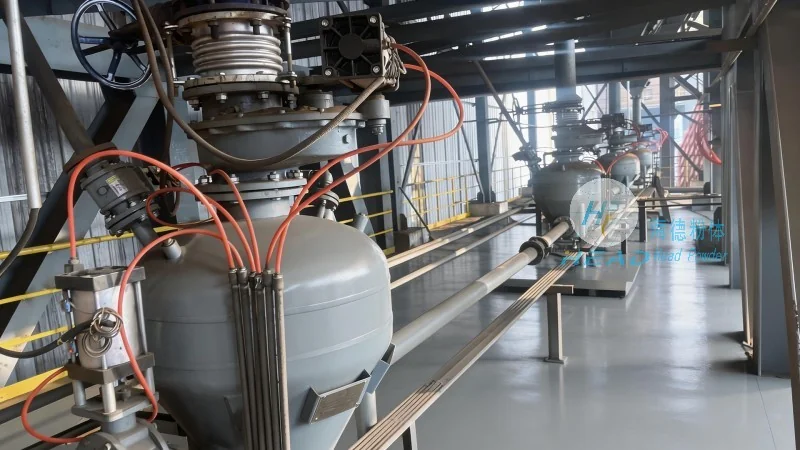
The pneumatic conveying system for carbon powders typically comprises several interdependent components that work together to facilitate material movement. The main components include a material hopper or feeder, a conveying pipeline, a blower or air compressor, a control system, and a discharge unit. The material hopper is responsible for storing and feeding the carbon powder into the system, ensuring a consistent and controlled flow rate. The conveying pipeline, often constructed from stainless steel or other corrosion-resistant materials, forms the path for the powder transport. The blower or air compressor generates the necessary air pressure to move the powder particles through the pipeline. The control system monitors and regulates air flow, pressure, and material feed rate to maintain optimal operation. Finally, the discharge unit collects the conveyed carbon powder at the destination, such as a storage silo or processing unit. The structural design of the system is tailored to handle the specific characteristics of carbon powders, including their particle size, density, and flowability.
Working Principle and Operational Mechanism
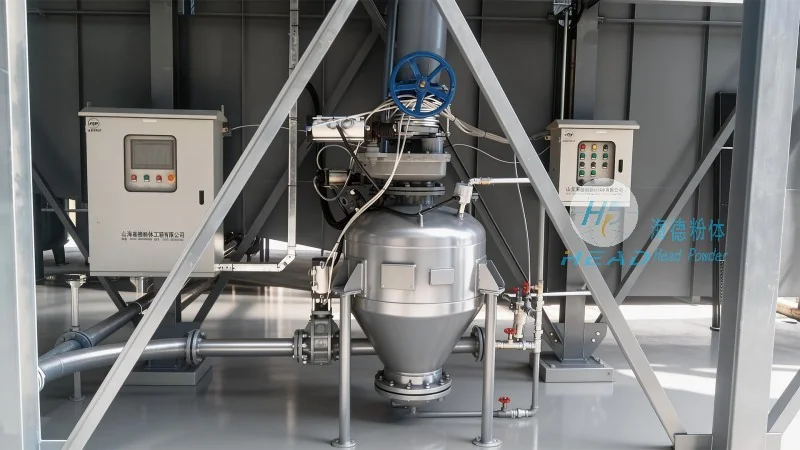
The operation of a carbon powder pneumatic conveying system is based on the principle of pneumatic transport, where air or gas is used to lift and move solid particles. When the blower or air compressor is activated, it creates a high-pressure air stream that flows through the conveying pipeline. As the air enters the material hopper, it interacts with the carbon powder, lifting the particles and carrying them along the pipeline. The air velocity within the pipeline must be sufficient to overcome the gravitational force and frictional resistance of the powder particles, ensuring that the powder remains suspended and moves efficiently. The system can operate in either positive pressure or negative pressure modes. Positive pressure systems force air through the pipeline, suitable for short-distance conveying, while negative pressure systems draw air from the pipeline, ideal for longer distances or when transporting material from a higher elevation to a lower one. The control system plays a crucial role in maintaining the air pressure and flow rate, preventing issues such as blockages or excessive pressure that could damage the equipment.
Advantages and Benefits of Carbon Powder Pneumatic Conveying Systems
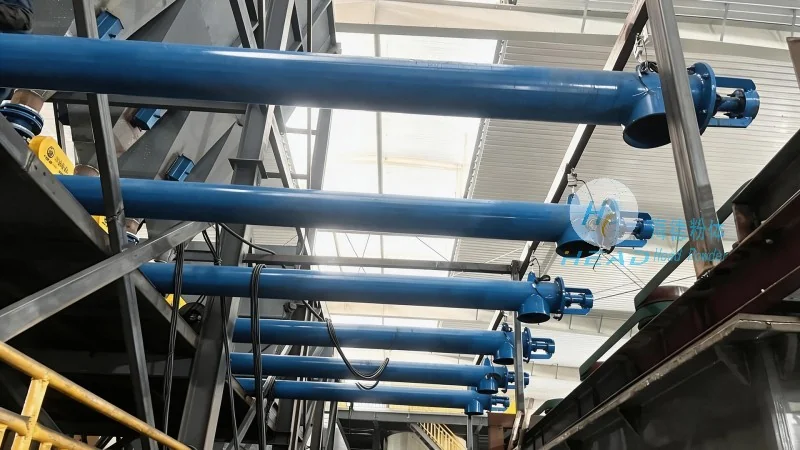
Carbon powder pneumatic conveying systems offer several advantages over traditional mechanical conveying methods. One of the most significant benefits is the ability to handle carbon powders in a dust-free environment, which enhances workplace safety and reduces the risk of contamination. The systems are highly flexible, allowing for easy reconfiguration of the pipeline layout to accommodate changes in production processes or facility expansions. Additionally, pneumatic conveying systems can transport carbon powders over longer distances with minimal material loss, making them suitable for large-scale industrial applications. The equipment is relatively compact and can be installed in various industrial settings, including factories, warehouses, and processing plants. Furthermore, the systems are easy to maintain and operate, with automated control systems that reduce the need for manual intervention and improve overall efficiency. These advantages make carbon powder pneumatic conveying systems a preferred choice for industries requiring reliable and efficient material handling solutions.




