Shandong HeadPowder Engineering Co., Ltd. is a professional manufacturer specializing in the design, development, and production of pneumatic conveying equipment. The company is located in Shandong, China, and has been committed to providing high-quality solutions for material handling in various industrial applications.
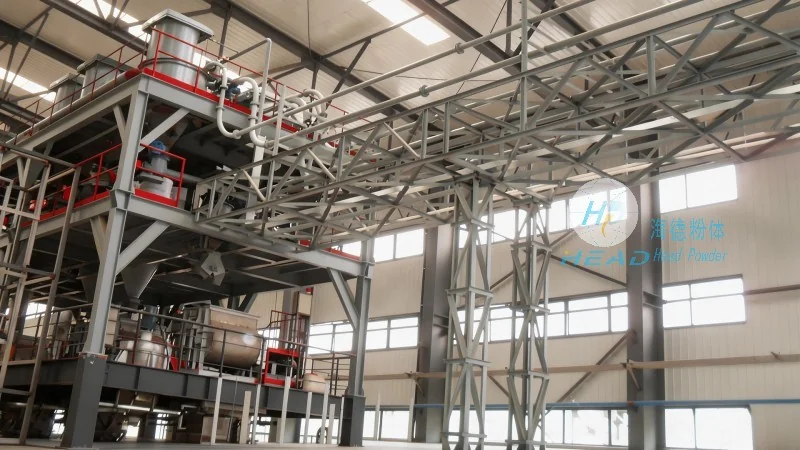
Principle of Pneumatic Conveying Equipment for Calcium Carbonate Powder
Pneumatic conveying, also known as air conveying, is a method of transporting bulk materials through a pipeline using air flow. For calcium carbonate powder, which is commonly used in industries such as paper, plastic, and construction, this technology offers an efficient and flexible solution. The core principle involves creating a pressure differential within the pipeline. In positive pressure systems, a fan or blower generates high-pressure air that pushes the powder forward. Conversely, negative pressure systems use a vacuum to draw the material into the pipeline. The choice between these systems depends on factors like material properties, pipeline length, and the need for dust control. For calcium carbonate powder, which is fine and can generate dust, proper sealing and filtration are crucial to ensure safe and efficient operation.
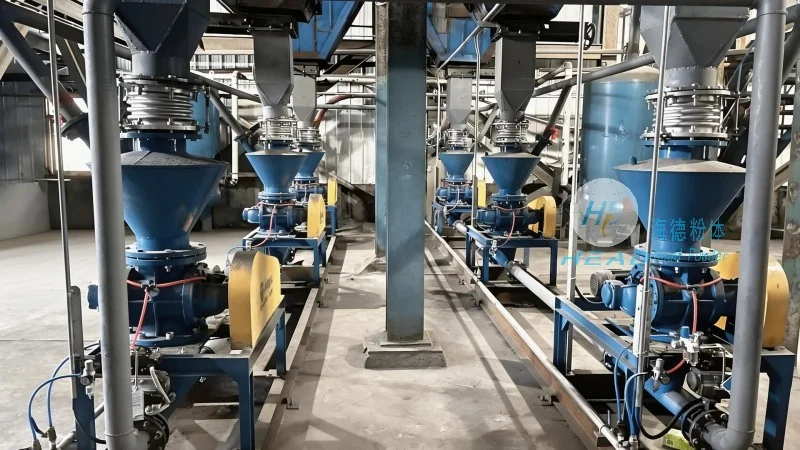
Working Scene Characteristics of the Equipment
The working scene characteristics of pneumatic conveying equipment for calcium carbonate powder are closely tied to the specific requirements of industrial processes. One key characteristic is the ability to handle fine powders without clogging, which is essential for maintaining consistent product quality. The equipment is designed to minimize material degradation and prevent agglomeration, ensuring that the calcium carbonate powder remains in its desired particle size distribution. Another important aspect is the flexibility in pipeline layout, allowing for vertical, horizontal, or combined transport configurations. This adaptability makes the equipment suitable for both new installations and retrofitting existing production lines. Additionally, the system's ability to integrate with other processing equipment, such as mixers and reactors, enhances overall process efficiency. In industrial settings, the equipment operates under controlled conditions, with real-time monitoring of pressure, flow rate, and material level to ensure optimal performance and prevent downtime.
Application Scenarios and Operational Advantages
In industrial applications, the pneumatic conveying equipment for calcium carbonate powder is widely used in scenarios where traditional mechanical conveying methods are less effective. For example, in the paper industry, calcium carbonate is used as a filler to improve paper strength and whiteness. The equipment efficiently transports the powder from storage silos to the paper-making machines, avoiding the need for manual handling and reducing the risk of dust exposure. Similarly, in the plastic and rubber industries, the fine powder is added to polymer compounds to enhance their properties. The system ensures a consistent feed rate, which is critical for maintaining the quality of the final products. Operational advantages include reduced labor costs, improved safety by minimizing human contact with powders, and lower maintenance requirements compared to traditional systems. The equipment also contributes to better environmental control, as it can be equipped with dust collection systems to comply with industrial regulations and protect the working environment.
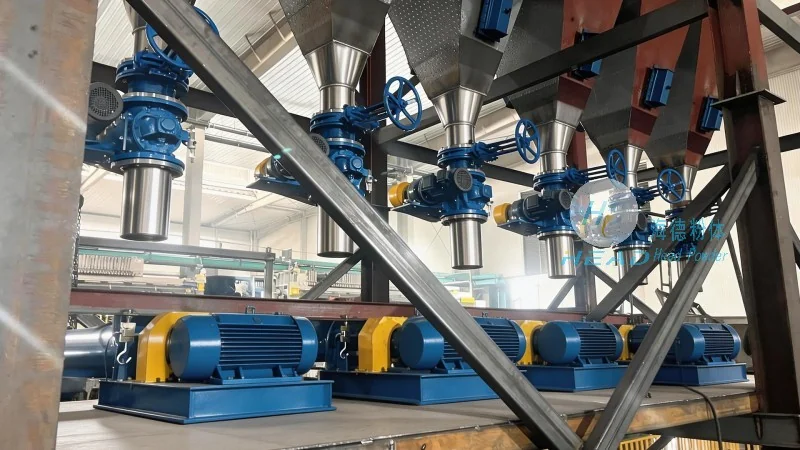
Technical Considerations and Customization
When selecting pneumatic conveying equipment for calcium carbonate powder, several technical considerations are essential. The first is the material's flowability and dustiness, as these properties affect the choice of system type and pipeline design. For highly cohesive powders, positive pressure systems with appropriate air velocities are preferred to prevent blockages. The pipeline diameter and length also impact the system's performance; longer pipelines may require additional booster fans to maintain sufficient pressure. Additionally, the equipment must be constructed from materials resistant to corrosion and wear, as calcium carbonate can be abrasive. Shandong HeadPowder Engineering Co., Ltd. offers customized solutions tailored to specific customer needs, including different pressure ranges, material handling capacities, and integration with existing plant infrastructure. The company's engineering team conducts thorough analyses of the material characteristics and process requirements to design a system that maximizes efficiency and reliability.




