Pneumatic conveying equipment has become a critical component in modern soybean grain material handling, offering efficient and reliable solutions for transporting bulk agricultural products. This technology leverages air pressure to move materials through sealed pipelines, replacing traditional mechanical methods and enhancing operational efficiency in soybean processing facilities. Understanding the underlying principles and specific application scenarios of such equipment is essential for optimizing workflow and ensuring consistent material quality.
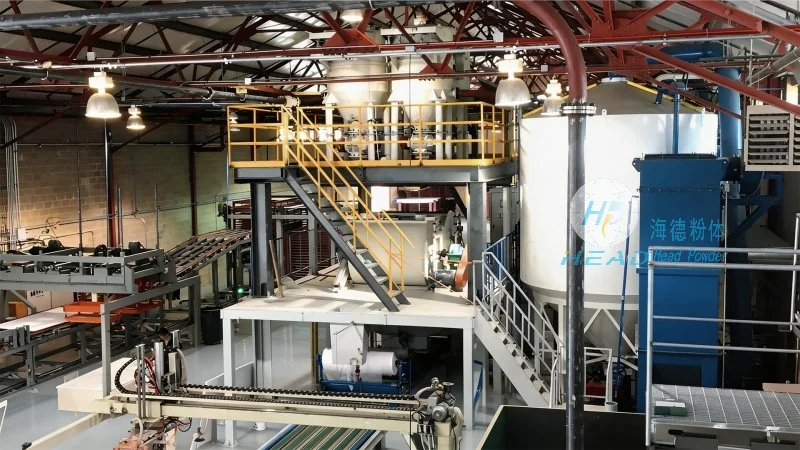
Company Overview
HeadPowder, a prominent engineering firm headquartered in Shandong, China, specializes in designing and manufacturing advanced pneumatic conveying systems tailored for diverse grain handling applications. With decades of industry experience, the company has built a reputation for delivering high-performance equipment that meets the stringent requirements of soybean processing and storage operations. HeadPowder's commitment to innovation and customer-centric solutions positions it as a leading provider in the agricultural machinery sector.
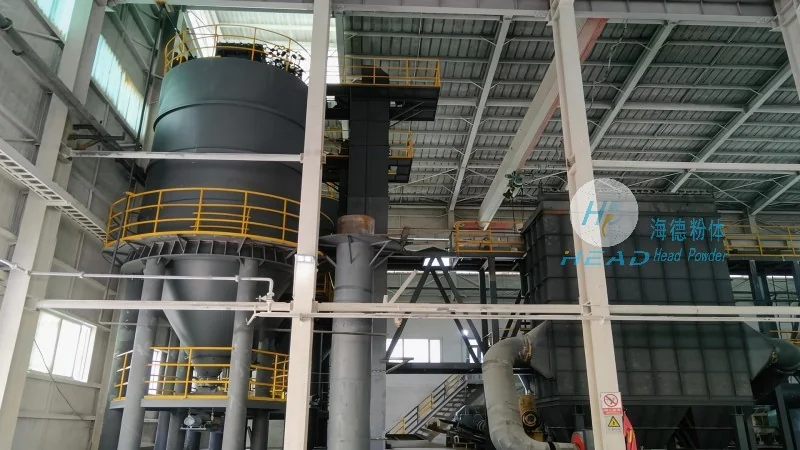
The Principle of Pneumatic Conveying Equipment
The fundamental operation of pneumatic conveying equipment for soybean grain relies on the interaction between air flow and solid particles. The system typically includes a fan or blower to generate airflow, a hopper to feed the material, and a network of pipelines that transport the material to its destination. In soybean handling, the equipment can be configured as either a suction system (air draws material into the pipe) or a pressure system (air pushes material through the pipe). The choice between these configurations depends on factors such as material characteristics, the distance to be covered, and the layout of the processing facility. The air flow velocity is carefully controlled to ensure that soybean particles remain suspended within the pipeline, preventing blockages and maintaining consistent material transport.
Working Scene Characteristics
The application of pneumatic conveying equipment in soybean grain handling is marked by several distinct characteristics that enhance operational flexibility and efficiency. In warehouse environments, the equipment enables seamless transfer of soybeans from storage bins to processing lines, reducing manual labor and minimizing the risk of contamination. During the processing stage, it efficiently moves raw soybeans through cleaning, drying, and grinding operations, ensuring a smooth and continuous material flow. Additionally, in logistics scenarios, the system facilitates the loading and unloading of soybean containers, improving transportation efficiency and reducing downtime. The equipment's ability to handle large volumes of soybean grain in a compact footprint makes it ideal for both small-scale and large-scale processing facilities.
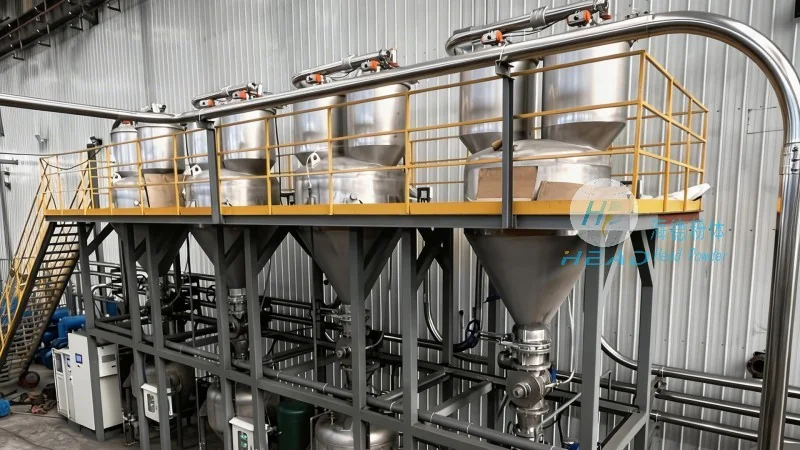
Advantages in Grain Material Handling
When applied to soybean grain handling, pneumatic conveying equipment offers several key advantages that contribute to improved productivity and cost-effectiveness. Firstly, it eliminates mechanical contact with the material, preserving the quality and integrity of the soybeans during transport. This is particularly important for maintaining food safety standards and ensuring the nutritional value of the final product. Secondly, the sealed pipeline system prevents dust and environmental contamination, which is critical in food processing applications. Thirdly, the system is highly adaptable, allowing for easy integration with existing processing lines and the ability to reconfigure the pipeline network as production needs change. Lastly, by reducing manual handling and labor costs, the equipment helps lower operational expenses while increasing overall throughput in soybean processing operations. These benefits make pneumatic conveying equipment a preferred choice for modern soybean grain handling facilities seeking to enhance efficiency and maintain product quality.




