For industrial applications involving the handling of polypropylene resin powder, efficient and reliable material transport is crucial. Pneumatic conveying equipment has emerged as a key solution, offering a flexible and effective method to move these powders from one location to another. This article explores the fundamental principles behind such equipment and highlights the specific characteristics of its working scenes, particularly in the context of polypropylene resin powder handling.
Pneumatic Conveying Fundamentals: How It Works
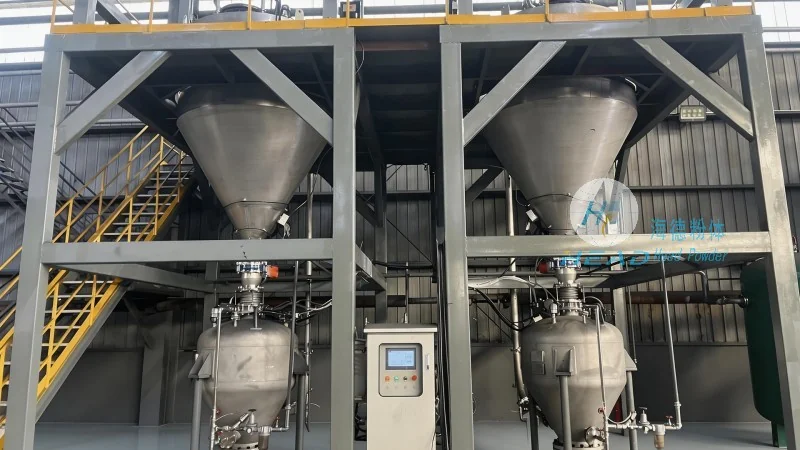
Pneumatic conveying systems operate by using compressed air or gas to transport bulk materials like polypropylene resin powder through a pipeline network. The core principle involves creating a pressure differential that propels the powder particles along the conveying line. There are two primary types of pneumatic conveying: positive pressure and negative pressure systems. Positive pressure systems generate air pressure at the inlet, pushing the material through the line, while negative pressure systems create a vacuum at the outlet, drawing the material in. For polypropylene resin powder, which is often fine and abrasive, positive pressure systems are commonly preferred due to their ability to handle higher material loads and provide better control over the conveying process.
Key Components of Pneumatic Conveying Equipment
The effectiveness of a pneumatic conveying system for polypropylene resin powder depends on several critical components. These include the air compressor, which supplies the necessary pressure; the hopper or feeder, which stores and feeds the powder into the system; the conveying line, typically made of materials like stainless steel or plastic to prevent corrosion and material buildup; and the control valves and regulators that manage the air flow and pressure. Additionally, features such as cyclone separators or filters are often integrated to separate the powder from the air stream, ensuring that the material is delivered to the destination without loss or contamination. The design of these components must consider the properties of polypropylene resin powder, including its particle size, density, and flow characteristics, to optimize performance and minimize operational issues like blockages or material degradation.
Working Scene Characteristics: Application in Polypropylene Resin Handling
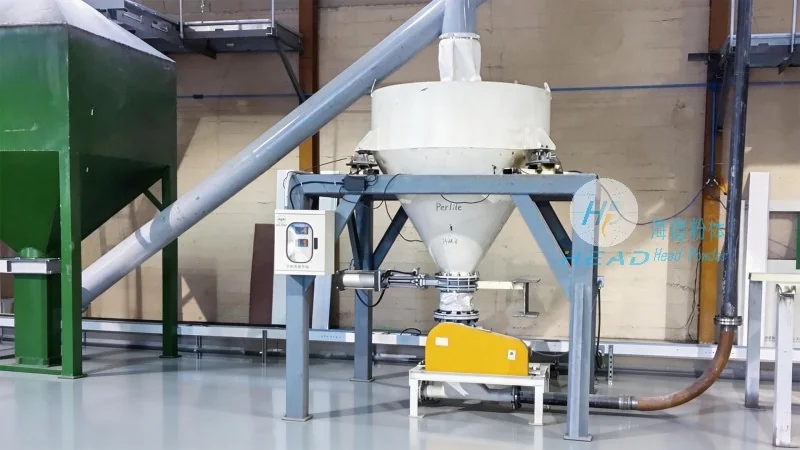
The working scenes where pneumatic conveying equipment is applied for polypropylene resin powder vary widely across different industries. In manufacturing plants, these systems are commonly used to transport resin from storage silos to processing lines, ensuring a continuous supply of material for extrusion, injection molding, or other manufacturing processes. The characteristics of these working scenes include high material throughput requirements, often in continuous or semi-continuous operations, and the need for clean, dust-free environments to maintain product quality and compliance with industrial standards. In addition, the equipment must be able to handle variations in resin properties, such as changes in moisture content or particle size distribution, without compromising the conveying efficiency. The working environment may also involve integration with other machinery, such as mixers or extruders, requiring the conveying system to be compatible with existing plant infrastructure and control systems.
Advantages and Considerations for Polypropylene Resin Powder Conveying
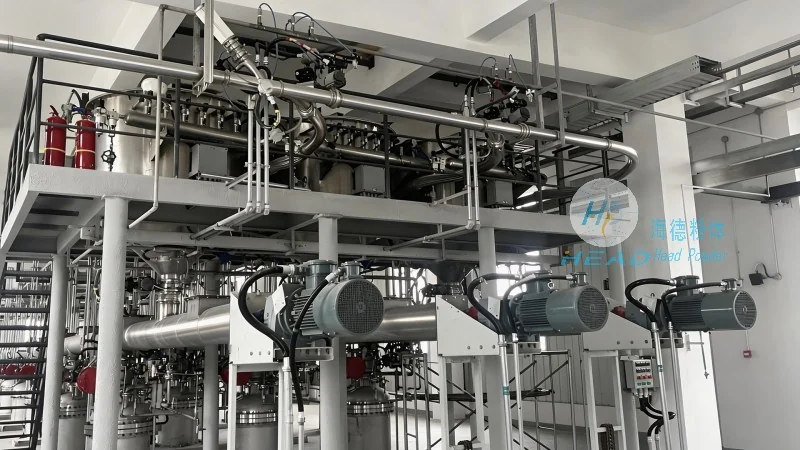
When implementing pneumatic conveying for polypropylene resin powder, several advantages and considerations must be taken into account. The primary advantages include the ability to transport materials over long distances, the flexibility to route the conveying line around obstacles, and the reduction in labor costs associated with manual handling. However, there are also challenges to consider, such as the potential for material degradation due to friction or high temperatures, and the need for regular maintenance to prevent system downtime. For polypropylene resin, which can be sensitive to heat and moisture, the selection of appropriate materials for the conveying line and components is essential to prevent degradation and ensure product quality. Additionally, the system must be designed to handle the specific flow characteristics of the powder, as polypropylene resin can exhibit cohesive or non-cohesive behavior depending on its moisture content and particle size, which can affect the conveying efficiency and system performance.
Conclusion: Tailoring Pneumatic Conveying Solutions for Polypropylene Resin Powder
In conclusion, pneumatic conveying equipment offers a robust and efficient solution for handling polypropylene resin powder in various industrial applications. By understanding the fundamental principles of pneumatic conveying and the specific characteristics of the working scenes, manufacturers can select and implement the most suitable system to meet their operational needs. The key is to consider the material properties, system requirements, and operational environment when designing or selecting a pneumatic conveying solution. With proper design and maintenance, such systems can provide reliable, continuous material transport, contributing to improved productivity and product quality in polypropylene resin processing operations.




