HeadPowder, a leading manufacturer based in Shandong, China, specializes in the design and production of advanced material conveying systems tailored for gypsum sand applications. This article delves into the fundamental working principles and key characteristics of gypsum sand material conveying lines, providing a comprehensive overview for industry professionals and potential clients.
Gypsum sand, a widely used industrial material in construction, agriculture, and chemical processing, requires efficient and reliable handling solutions to ensure smooth production workflows. The conveying line for gypsum sand typically integrates several core components, including feeders, conveyors, and control systems, each playing a critical role in the material's movement from source to destination.
The working principle of a gypsum sand material conveying line begins with the material's intake. A hopper or feeder is used to collect the gypsum sand, which is then fed into a conveyor system. Common conveyor types for this application include belt conveyors, screw conveyors, and pneumatic conveying systems, each chosen based on the specific characteristics of the material and the operational requirements of the facility.
Belt conveyors are often preferred for their ability to handle large volumes of gypsum sand with minimal maintenance. The system consists of a continuous belt that moves over rollers, transporting the material horizontally or at a slight incline. The belt's speed and tension are carefully controlled to prevent material spillage and ensure consistent flow. Additionally, belt conveyors can be equipped with side walls or load zones to contain the material and prevent it from falling off during transport.
Screw conveyors, another common option, utilize a rotating screw mechanism to move the gypsum sand through a tube or trough. This type of conveyor is particularly effective for vertical or inclined transport, as the screw's rotation pushes the material upward or along the conveyor path. Screw conveyors are known for their compact design and ability to handle materials with varying moisture content, making them suitable for applications where space is limited or where the material needs to be elevated.
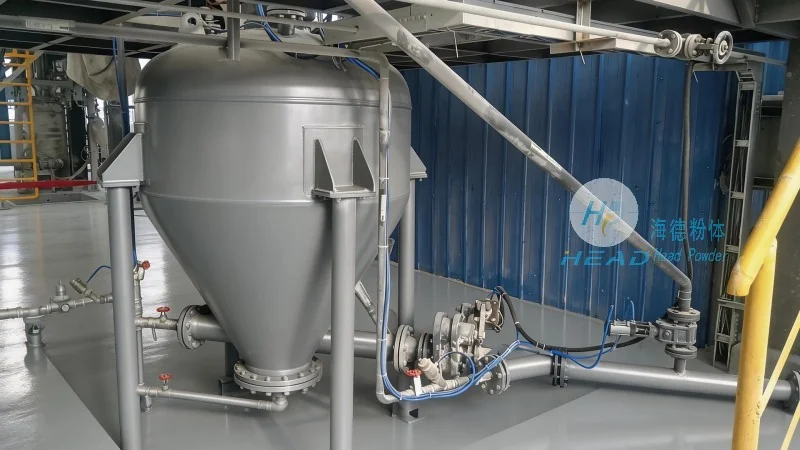
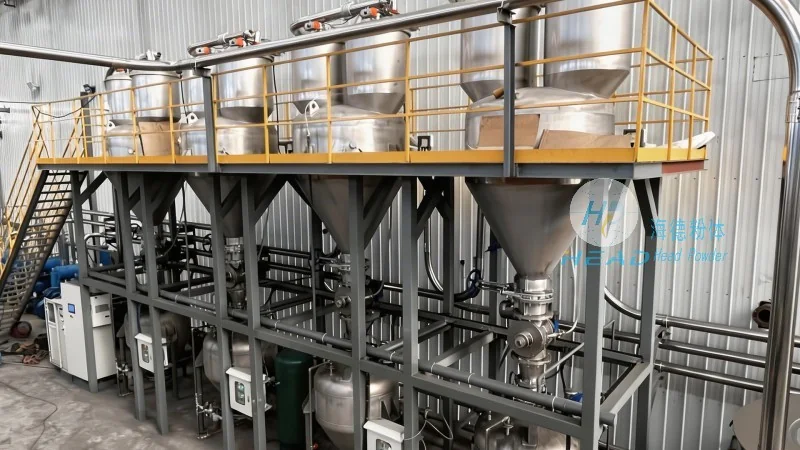
Pneumatic conveying systems, also known as air conveyor systems, use compressed air to transport gypsum sand in a closed pipeline. This method is ideal for applications requiring dust-free or sealed transport, as the material is carried within a sealed system, minimizing exposure to the environment. Pneumatic conveyors are particularly effective for long-distance transport or when the material needs to be moved through multiple stages of processing.
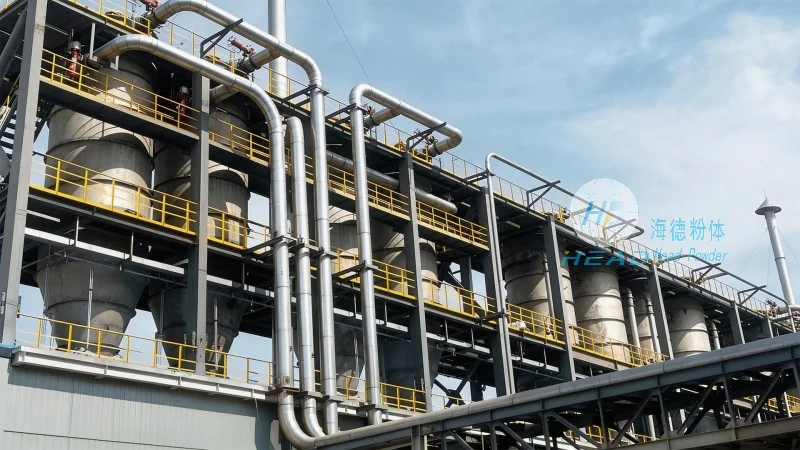
After the material is conveyed, it may undergo additional processing steps, such as screening, drying, or blending, depending on the specific application. The conveying line is often integrated with these processing units to form a complete production system, ensuring that the gypsum sand is handled efficiently from start to finish.
Key Features of Gypsum Sand Material Conveying Lines
The features of a gypsum sand material conveying line are designed to optimize performance, reliability, and efficiency in handling this specific material. Key characteristics include:
1. **High Capacity and Efficiency**: Modern conveying lines are engineered to handle large volumes of gypsum sand with minimal downtime. Advanced control systems and durable components ensure consistent material flow, reducing the risk of bottlenecks or interruptions in production.
2. **Durable Construction**: The components of the conveying line, such as belts, screws, and pipelines, are constructed from materials resistant to the abrasive and corrosive properties of gypsum sand. This ensures long-term durability and reduces maintenance costs over the system's lifespan.
3. **Customizable Design**: HeadPowder offers customized conveying solutions tailored to the specific needs of each client. Whether the application requires horizontal, vertical, or inclined transport, or involves long-distance movement, the system can be designed to meet these requirements. This flexibility allows for optimal integration with existing production facilities.
4. **Low Maintenance Requirements**: The use of high-quality materials and advanced engineering reduces the need for frequent maintenance. Regular inspections and simple adjustments can keep the system operating at peak performance, minimizing downtime and maintenance expenses.
5. **Energy Efficiency**: Modern conveying systems are designed to be energy-efficient, using less power to transport the material while maintaining high capacity. This not only reduces operational costs but also aligns with sustainability goals in industrial operations.
6. **Safety and Environmental Compliance**: The conveying line is designed to meet safety and environmental standards, with features such as enclosed systems to prevent dust emissions and proper ventilation to ensure a safe working environment. This ensures compliance with local regulations and promotes a safe workplace.
Applications and Benefits
Gypsum sand material conveying lines are used in a variety of industries, including construction, where gypsum is used in wallboard production, and agriculture, where it serves as a soil amendment. The benefits of using an efficient conveying system include improved production efficiency, reduced labor costs, and enhanced product quality. By ensuring consistent material flow, the system helps maintain product uniformity and reduces waste.
In conclusion, the working principle and features of gypsum sand material conveying lines are critical to the efficient handling of this important industrial material. With its focus on durability, efficiency, and customization, HeadPowder's conveying systems provide reliable solutions for industries relying on gypsum sand. By understanding the core components and key features of these systems, businesses can make informed decisions to optimize their material handling processes and improve overall operational performance.




