For professionals in the construction, mining, and environmental sectors, efficient and reliable material handling is crucial. Among the various technologies available, pneumatic conveying systems stand out as a versatile solution for transporting sand and soil. This article explores the different types of pneumatic conveying systems and their practical applications in handling these materials, with a focus on the expertise and solutions provided by Shandong HeadPowder Engineering Co., Ltd.
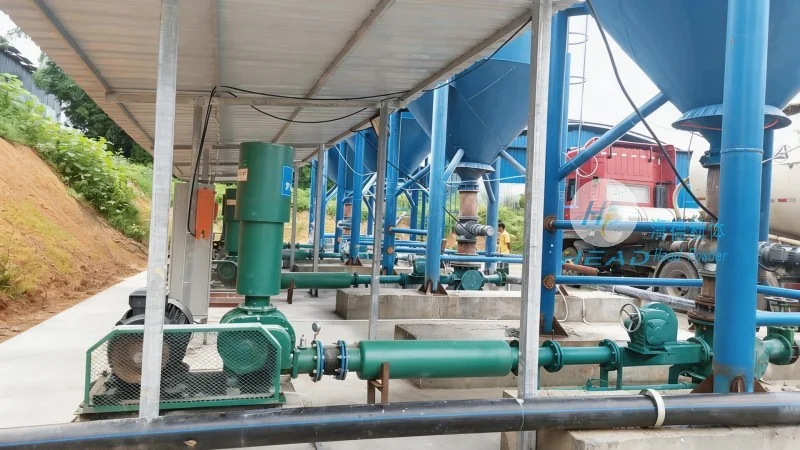
Introduction to Pneumatic Conveying Systems for Sand and Soil Transport
Pneumatic conveying systems use air or gas to transport dry bulk materials like sand and soil through a pipeline. This method offers several advantages over traditional methods such as trucks or conveyor belts, including reduced labor costs, improved safety, and the ability to transport materials over long distances without the need for multiple transfer points. The effectiveness of these systems depends on the type of system used, the characteristics of the material being conveyed, and the specific requirements of the application.
Types of Pneumatic Conveying Systems
There are primarily two main categories of pneumatic conveying systems: positive pressure and negative pressure systems. Each type has distinct characteristics and is suitable for different scenarios.
Positive Pressure Systems
In positive pressure systems, air is forced through the pipeline, carrying the material from the source to the destination. These systems are typically used for short to medium distances and are effective for handling abrasive materials like sand. The high pressure ensures that the material is moved efficiently and can handle high volumes of material. Positive pressure systems are often preferred in applications where the material needs to be transported to a single destination, such as a storage silo or a processing plant.
Negative Pressure Systems
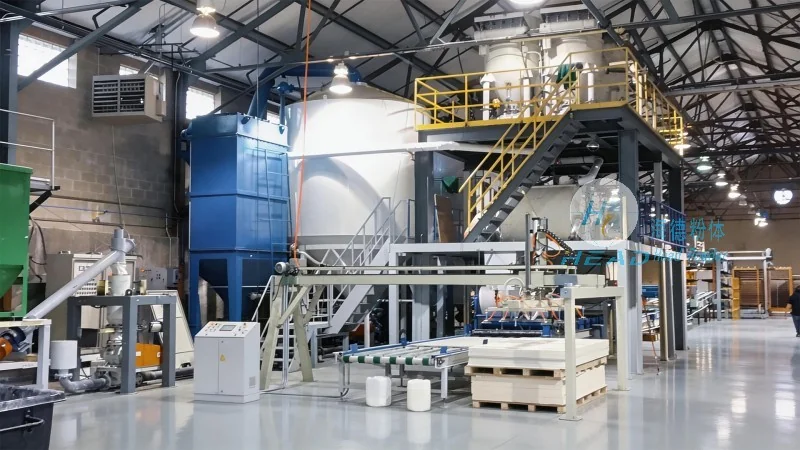
Negative pressure systems, also known as vacuum systems, use a vacuum to draw material into the pipeline. The material is then carried to the destination by the vacuum force. These systems are ideal for long-distance transport and are commonly used in applications where the material needs to be collected from multiple sources and transported to a central location. Negative pressure systems are particularly useful for handling fine powders and can be more energy-efficient for long distances compared to positive pressure systems.
Mixed-Mode Systems
Mixed-mode systems combine elements of both positive and negative pressure systems. They may start with a positive pressure boost to move material over short distances and then switch to a negative pressure to complete the longer journey. This approach allows for greater flexibility and can be optimized for specific transport requirements, making them suitable for complex transport routes that involve multiple transfer points.
Practical Applications in Sand and Soil Handling
Across various industries, pneumatic conveying systems are widely used for sand and soil transport. In the construction industry, these systems are essential for moving sand from stockpiles to construction sites, ensuring a steady supply of material for concrete and mortar production. The ability to transport sand over long distances without the need for heavy machinery reduces the risk of accidents and improves overall project efficiency.
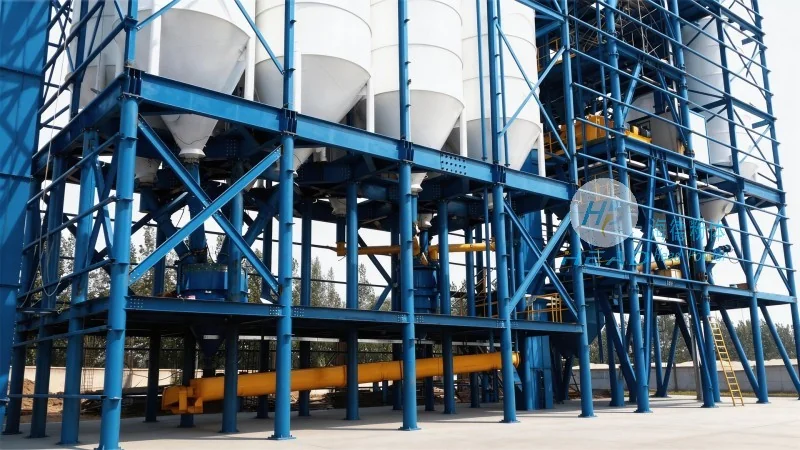
In the mining sector, pneumatic conveying systems are used to transport soil and ore from mining sites to processing facilities. This method is particularly advantageous in areas with difficult terrain or limited access, as it allows for the efficient movement of large volumes of material without the need for extensive infrastructure. The systems can also be integrated with other processing equipment, such as crushers and screens, to form a complete material handling solution.
In environmental engineering, pneumatic conveying systems play a critical role in soil remediation and land reclamation projects. These systems are used to transport contaminated soil from the site to treatment facilities or disposal sites, ensuring that the material is handled safely and efficiently. The systems can be equipped with filtration and dust control measures to minimize environmental impact and comply with regulatory requirements.
Technical Advantages and Considerations
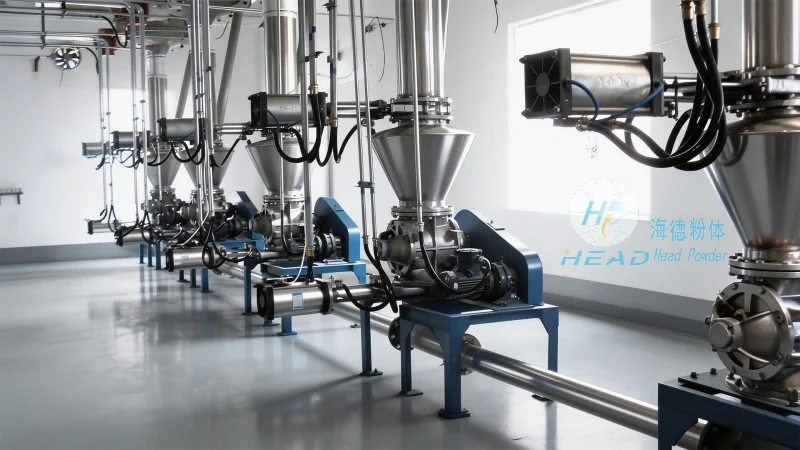
When selecting a pneumatic conveying system for sand and soil transport, several factors need to be considered. The primary advantage of these systems is their ability to handle abrasive materials without significant wear and tear on the equipment. This reduces maintenance costs and extends the lifespan of the system. Additionally, pneumatic conveying systems are highly flexible, allowing for changes in the transport route or destination without major modifications to the infrastructure.
However, the choice of system also depends on the specific characteristics of the material, such as particle size, moisture content, and density. For example, fine sand may require a higher air velocity to prevent clogging, while coarser soil may need a larger pipeline diameter to maintain flow. The system design must also consider the distance to be covered, the number of transfer points, and the required material flow rate. Proper sizing and selection of the system components, including the blower, filters, and pipeline, are essential to ensure optimal performance and minimize operational costs.
About HeadPowder - Shandong HeadPowder Engineering Co., Ltd.
Shandong HeadPowder Engineering Co., Ltd., commonly known as HeadPowder, is a leading provider of pneumatic conveying systems and material handling solutions. With a focus on innovation and customer satisfaction, HeadPowder has established itself as a trusted partner in the industry. The company is located in Shandong, China, and specializes in designing, manufacturing, and installing customized pneumatic conveying systems tailored to the specific needs of clients in various sectors, including construction, mining, and environmental engineering. HeadPowder's expertise in system design and engineering ensures that clients receive efficient, reliable, and cost-effective solutions for their sand and soil transport requirements.




